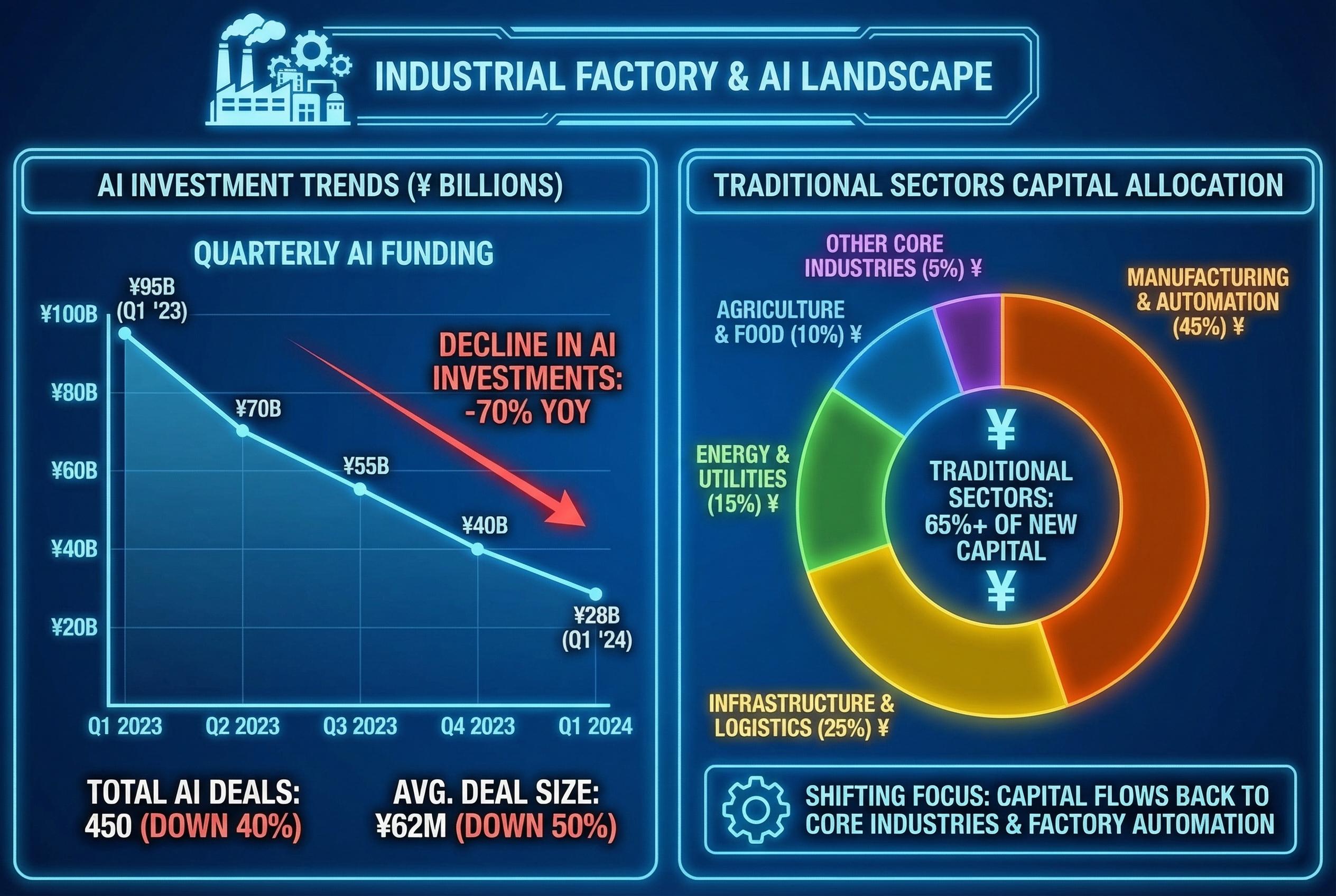
Investor appetite in China is shifting away from the high-growth technology names that dominated markets as traders globally rotate toward what market participants call "HALO" stocks, companies with heavy physical assets and lower risks of rapid obsolescence. According to Caixin, that rebalancing has begun to weigh on Chinese technology equities in recent weeks as investors reassess AI-related exposure amid broader macro and geopolitical concerns. (Paragraph 1 drawn from reporting on market flows and investor sentiment.)
Market strategists say the move is driven by caution around the AI boom, higher interest rates and ongoing tensions between Beijing and foreign regulators, prompting flows into sectors perceived as more durable. Data and commentary in Caixin and related reporting indicate similar patterns have shown up across Hong Kong and mainland bourses, pressuring leading internet and software names that had previously attracted outsized allocations.
Beijing’s posture towards generative and autonomous AI has added a political dimension to the recalibration. Multiple outlets report that Chinese authorities have warned state-owned enterprises and government agencies against deploying the open-source agent OpenClaw on office devices, instructing staff to flag installations for security checks or removal. Those measures reflect a more cautious, conditional approach from regulators rather than an unfettered embrace of all AI tools.
Security agencies have underlined the risks that prompted the restrictions. The Ministry of Industry and Information Technology issued an alert after researchers and scanners found tens of thousands of exposed OpenClaw instances online, many judged exploitable by attackers. Coverage of the vulnerability dubbed "ClawJacked" says a large share of deployments lacked basic protections, creating acute data and takeover risks that forced a rapid administrative response.
At the same time, local governments and private firms are not uniformly resistant. The Wuxi high-tech zone has unveiled incentives to incubate and subsidise development of open-source AI agents, while some major technology companies are reported to be experimenting with the tools internally. That patchwork of local promotion, corporate adoption and central caution underscores the uneven trajectory of AI policy and commercialisation across China.
For investors, the combined effect is a more complex risk calculus: durable, capital-intensive businesses are drawing interest as a defensive trade, while regulators’ scrutiny of widely deployed AI agents has introduced fresh operational and security uncertainties for software-heavy groups. Market commentators say the HALO tilt may persist until policymakers and firms demonstrate clearer, more consistent frameworks for securing and governing AI deployments.
Source Reference Map
Inspired by headline at: [1]
Sources by paragraph:
- Paragraph 1: [2]
- Paragraph 2: [2]
- Paragraph 3: [6],[7]
- Paragraph 4: [5],[3]
- Paragraph 5: [4],[6]
- Paragraph 6: [2],[5],[7]
Source: Noah Wire Services