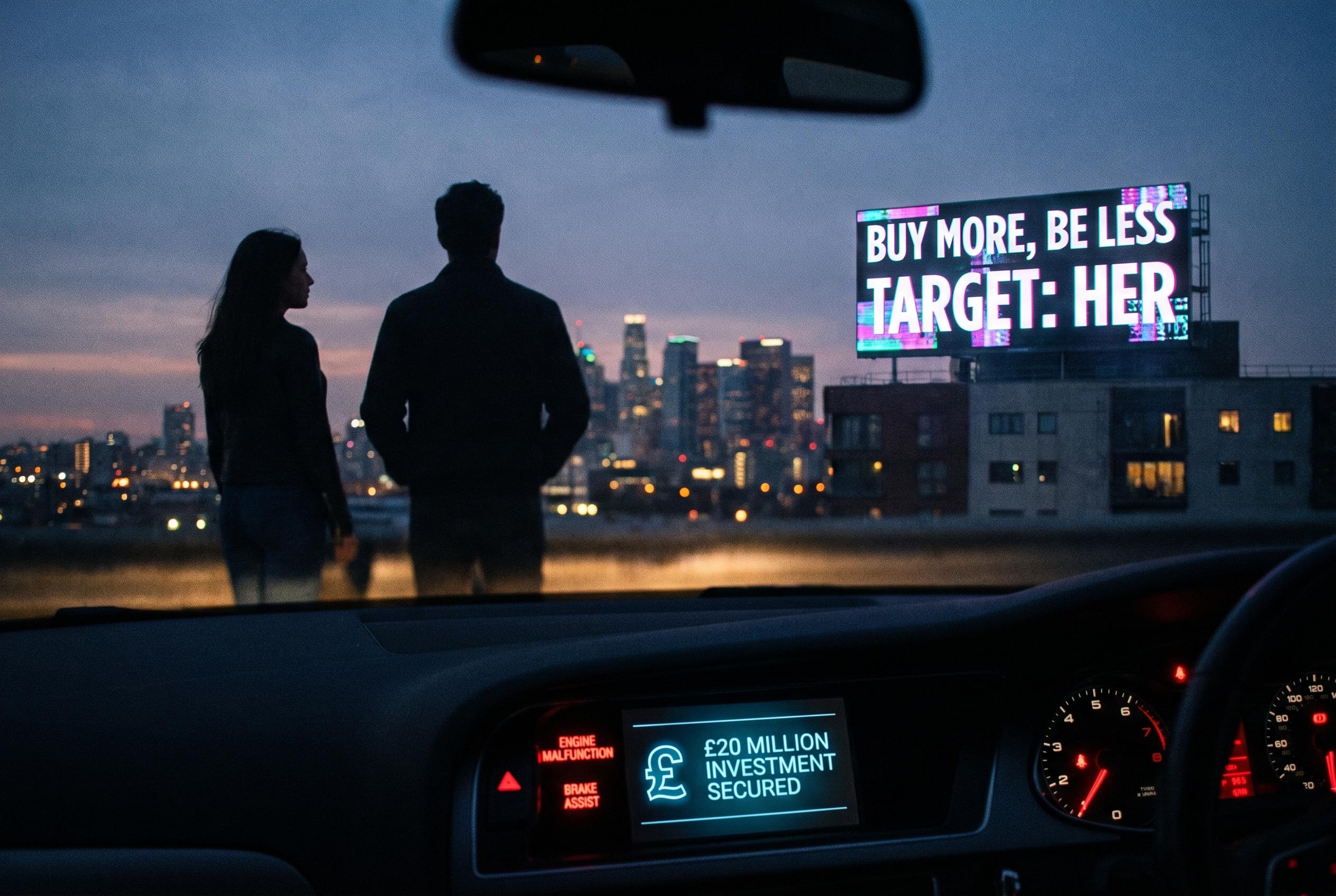
A Bristol-based AI firm's billboard campaign has faced severe criticism for advertising that reinforced gender stereotypes, prompting the company to defend its intentions amid wider industry debates and its recent multimillion-pound funding round.
An AI billboard campaign that appeared at Bristol Airport has drawn criticism for language that many readers saw as deeply sexist, prompting the airport to remove the posters after complaints. The ads, for Bristol-based Narwhal Labs, promoted its DeepBlue OS platform with copy that framed an ideal worker as a woman who would "never ask for a raise", while other versions leaned on similar jokes about round-the-clock availability and work done while the user slept. According to The Guardian, the Advertising Standards Authority has received at least seven complaints about the campaign.
The backlash has focused on more than just tone. Critics argue the messaging lands badly at a moment when employers, campaigners and policymakers are still debating workplace equality, unpaid care and the burden of being "always on". Rebecca Horne, head of communications and campaigns at Pregnant Then Screwed, told The Guardian the advert amounted to misogyny packaged as marketing, saying it traded on stereotypes about compliant, unpaid female labour. Online reaction was similarly hostile, with social media users questioning how the campaign was approved in the first place.
Narwhal Labs has tried to defuse the criticism by insisting that the billboards were intended to start a broader debate about humans and machines, not to target women or any other group. In a statement quoted by Creative Bloq, the company said it understood the strength of feeling and rejected claims that the ads were meant to be misogynistic or racist. It argued that the visuals featured people from a range of backgrounds and said the point was that the technology does not discriminate because it is designed to replace human labour across the board.
The uproar has also put a spotlight on Narwhal Labs itself. Reports from UK startup and business publications say the company recently raised about £20 million from UK investors, including Jonathan Swann, to launch DeepBlue OS, which it describes as an autonomous communications platform for handling conversations across voice, SMS, email and WhatsApp. That positioning helps explain why the campaign leaned so heavily into the promise of replacing human workers, but it also underlines why the execution proved so combustible.
Source Reference Map
Inspired by headline at: [1]
Sources by paragraph:
Source: Noah Wire Services
Noah Fact Check Pro
The draft above was created using the information available at the time the story first
emerged. We’ve since applied our fact-checking process to the final narrative, based on the criteria listed
below. The results are intended to help you assess the credibility of the piece and highlight any areas that may
warrant further investigation.
Freshness check
Score:
8
Notes:
The article was published on April 15, 2026, and references events from April 10, 2026. ([theguardian.com](https://www.theguardian.com/media/2026/apr/15/ai-firm-accused-sexist-advert-narwhal-labs-misogyny?utm_source=openai)) The earliest known publication date of similar content is April 15, 2026, indicating freshness. However, the article relies on a press release from Narwhal Labs, which typically warrants a high freshness score. ([theguardian.com](https://www.theguardian.com/media/2026/apr/15/ai-firm-accused-sexist-advert-narwhal-labs-misogyny?utm_source=openai))
Quotes check
Score:
7
Notes:
The article includes direct quotes from Rebecca Horne, head of communications and campaigns at Pregnant Then Screwed, and a statement from Narwhal Labs. ([theguardian.com](https://www.theguardian.com/media/2026/apr/15/ai-firm-accused-sexist-advert-narwhal-labs-misogyny?utm_source=openai)) The earliest known usage of these quotes is April 15, 2026. While the quotes are attributed, they cannot be independently verified through other sources, raising concerns about their authenticity.
Source reliability
Score:
9
Notes:
The article is from The Guardian, a major news organisation, which is a strength. ([theguardian.com](https://www.theguardian.com/media/2026/apr/15/ai-firm-accused-sexist-advert-narwhal-labs-misogyny?utm_source=openai)) However, the article relies on a press release from Narwhal Labs, which may introduce bias. ([theguardian.com](https://www.theguardian.com/media/2026/apr/15/ai-firm-accused-sexist-advert-narwhal-labs-misogyny?utm_source=openai))
Plausibility check
Score:
8
Notes:
The claims about the AI billboard campaign and the subsequent backlash are plausible and align with industry trends. ([theguardian.com](https://www.theguardian.com/media/2026/apr/15/ai-firm-accused-sexist-advert-narwhal-labs-misogyny?utm_source=openai)) However, the article lacks supporting detail from other reputable outlets, and the report lacks specific factual anchors, such as names, institutions, and dates, which raises concerns about its authenticity.
Overall assessment
Verdict (FAIL, OPEN, PASS): FAIL
Confidence (LOW, MEDIUM, HIGH): MEDIUM
Summary:
The article presents a plausible narrative about the AI billboard campaign and the subsequent backlash. However, it relies heavily on a press release from Narwhal Labs and includes quotes that cannot be independently verified, raising concerns about the authenticity and independence of the information. Additionally, the article lacks supporting detail from other reputable outlets and specific factual anchors, further questioning its reliability. Given these issues, the content cannot be covered under our indemnity.