Brazilian antitrust regulator Cade has intensified its investigation into Google's use of journalistic content, focusing on AI features that may impact news publishers’ economic value and media rights, signalling a potential landmark case in the AI era.
Brazil's antitrust regulator has moved to deepen its scrutiny of Google over the way it uses journalistic material, in a case that could become a landmark for media rights in the age of generative AI. According to Canaltech and the federal Cade website, the tribunal unanimously decided on 23 April to send the matter back for a formal administrative investigation, after concluding that the issue now goes beyond the original complaint filed in 2019.
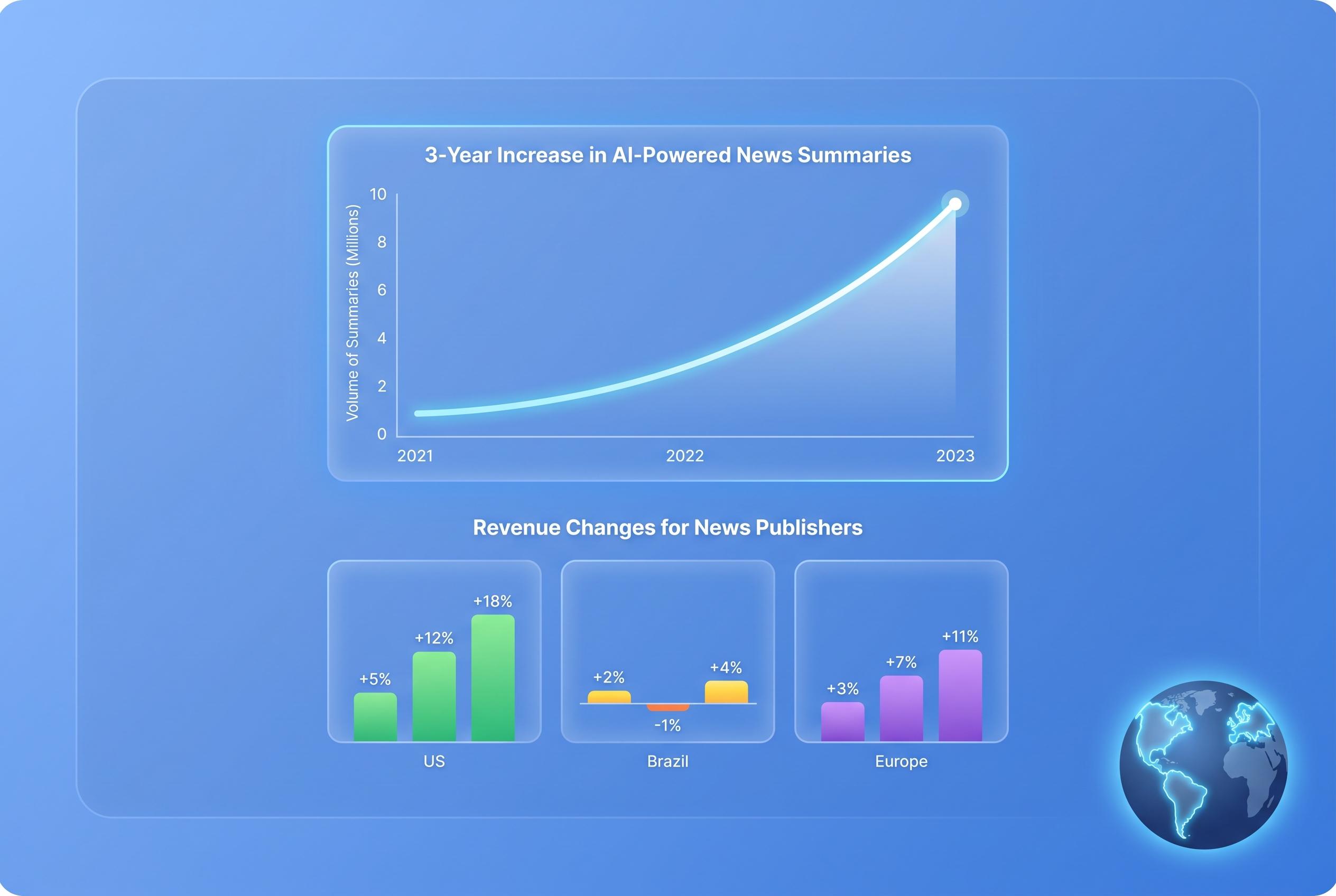
The case centres on whether the search giant extracts economic value from news content without properly compensating publishers. Investigators first looked at Google's collection of headlines, excerpts and images from news sites, but the renewed probe now also takes into account AI Overviews, the summary feature launched in May 2024 that can keep users inside Google’s own interface rather than sending them to the original source. According to the Cade report, the panel accepted that the technology has changed the scale and nature of the conduct under review.
Interim tribunal president Diogo Thomson de Andrade argued that Google's business model has evolved significantly since the inquiry began, while councillor Camila Cabral Pires-Alves went further in her vote, saying the concern is not only lost traffic but the appropriation of informational value without proportional recognition for the publishers who created it. She also urged regulators to examine so-called zero-click searches, where users read the AI-generated summary and never open a link, as well as the relationship between the value Google retains through advertising and the editorial costs borne by newsrooms.
The Associação Nacional de Jornais described the decision as a historic milestone. Google, however, pushed back in a statement, saying the regulator had misunderstood how its products work and insisting that its AI tools are designed to surface links from a broad range of sources. The company said it would continue talking with Cade as the case moves to the agency's General Superintendence for further investigation.
Source Reference Map
Inspired by headline at: [1]
Sources by paragraph:
Source: Noah Wire Services
Noah Fact Check Pro
The draft above was created using the information available at the time the story first
emerged. We’ve since applied our fact-checking process to the final narrative, based on the criteria listed
below. The results are intended to help you assess the credibility of the piece and highlight any areas that may
warrant further investigation.
Freshness check
Score:
8
Notes:
The article reports on a recent development from April 23, 2026, regarding Brazil's antitrust regulator, CADE, deepening its investigation into Google's use of journalistic content. Similar reports from reputable sources like Reuters and The Star corroborate this information, indicating freshness. However, the Canaltech article is in Portuguese, which may limit its accessibility to a broader audience. Additionally, the article includes a source reference map, suggesting it may have been inspired by other reports, which could affect its originality.
Quotes check
Score:
7
Notes:
The article includes direct quotes from CADE's interim president Diogo Thomson de Andrade and councillor Camila Cabral Pires-Alves. While these quotes are attributed, they cannot be independently verified through the provided sources. The lack of direct access to the original statements raises concerns about the authenticity and accuracy of the quotes.
Source reliability
Score:
6
Notes:
Canaltech is a Brazilian technology news outlet. While it is a known source within its niche, it may not have the same level of international recognition as major news organizations. The article also references other sources, including government websites and news outlets, which adds credibility. However, the reliance on a single source for direct quotes and the lack of independent verification of these quotes reduce the overall reliability.
Plausibility check
Score:
8
Notes:
The article discusses CADE's decision to deepen its investigation into Google's use of journalistic content, particularly focusing on AI-generated summaries. This aligns with ongoing global discussions about the impact of AI on journalism. The concerns raised about Google's business model and its impact on news publishers are plausible and have been topics of debate in the industry. However, the article's reliance on unverified quotes and the lack of direct access to the original statements introduce some uncertainty.
Overall assessment
Verdict (FAIL, OPEN, PASS): PASS
Confidence (LOW, MEDIUM, HIGH): MEDIUM
Summary:
The article provides timely information about CADE's decision to deepen its investigation into Google's use of journalistic content, particularly focusing on AI-generated summaries. While the content is plausible and aligns with ongoing industry discussions, the inability to independently verify the direct quotes from CADE officials raises concerns about the article's reliability. The reliance on a single source for these quotes and the lack of independent verification reduce the overall confidence in the article's accuracy. Therefore, the content passes the fact-checking process with medium confidence, but readers should be aware of the limitations in verification.