Photography contests have long offered working image-makers a route to visibility, but the rise of generative AI is making that promise harder to trust. A recent row over Tokina’s monthly competition has again put the issue in the spotlight after photographers on Reddit claimed the winning entry showed signs of machine generation or heavy AI-assisted alteration. The picture, which showed men fishing, was criticised for odd lighting and several visual inconsistencies, and Reddit users said metadata on Tokina’s site had included a SynthID watermark before the image was removed from view.
The backlash echoes a dispute from March 2023, when Berlin artist Boris Eldagsen revealed that his winning entry in the Sony World Photography Awards had been entirely AI-generated. Scientific American reported that his decision to turn down the prize reignited debate over whether major photography contests were equipped to handle synthetic images. Around the same period, the International Photography Awards created a separate category for AI-generated work, while the North American Nature Photography Association later tightened its rules to bar images made with generative AI in its Showcase competition, underscoring how differently organisations are responding.
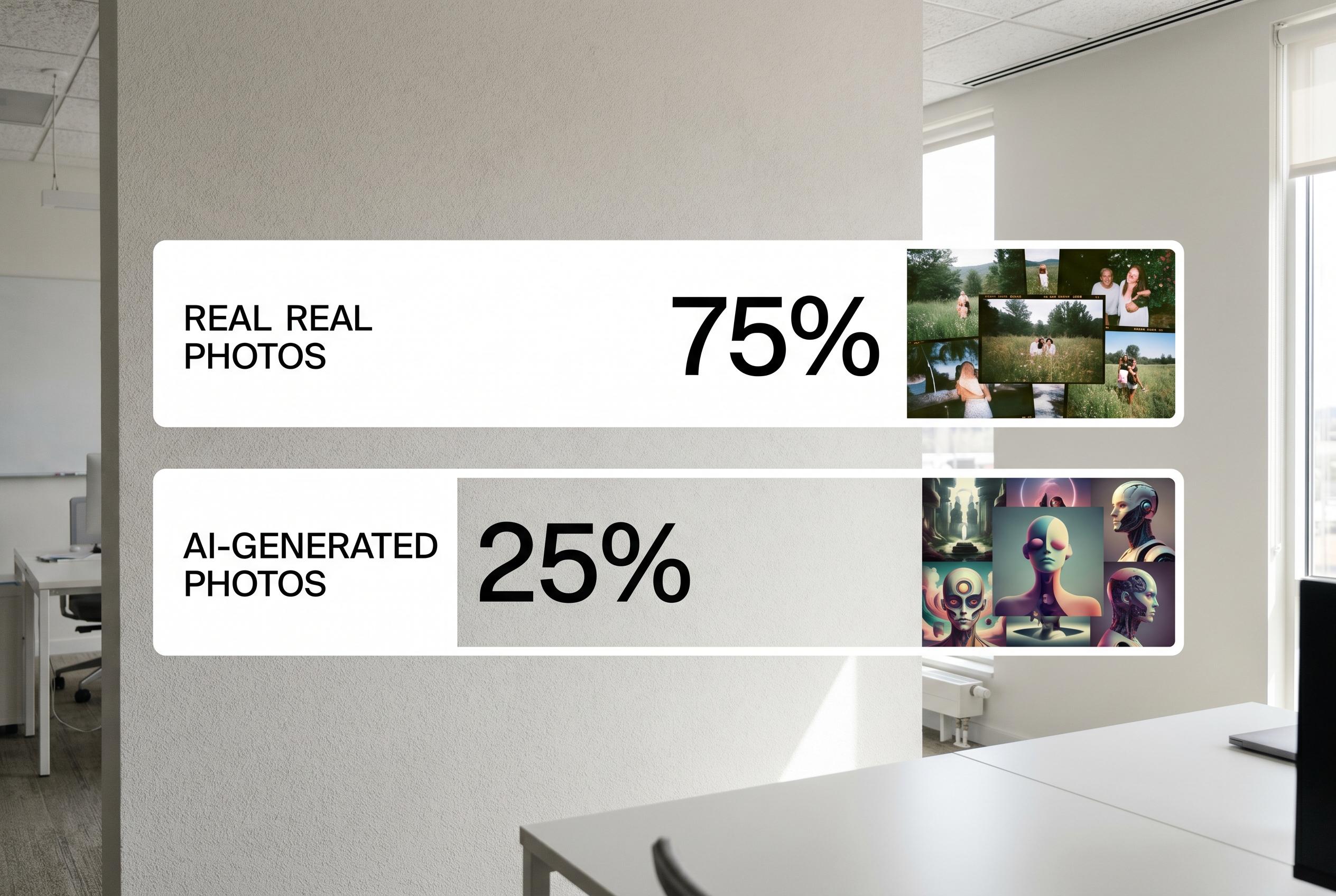
The Tokina episode also reflects a broader problem: even experienced judges may struggle to spot AI content reliably. Research published in December 2025 found that people asked to distinguish real photographs from AI images scored only 54% on average, barely better than chance. A separate guide published in June 2024 set out common tells, from anatomical and stylistic errors to broken physics and implausible relationships between objects, but the same research suggests that many synthetic images remain convincing enough to slip past casual inspection.
That is why contest organisers are increasingly under pressure to do more than simply review a final JPEG and trust the result. Photographers commenting on the Tokina case argued that raw files, EXIF checks and stronger authenticity screening should have been routine before any winner was announced. As AI tools become more deeply embedded in mainstream software, from Photoshop to other editing platforms, the burden on judges is only growing. For many in the industry, the concern is no longer whether AI will affect photo competitions, but whether those competitions can still credibly separate photography from fabrication.
Source Reference Map
Inspired by headline at: [1]
Sources by paragraph:
- Paragraph 1: [2], [5]
- Paragraph 2: [2], [3], [4]
- Paragraph 3: [6], [7]
- Paragraph 4: [1], [3], [4], [6]
Source: Noah Wire Services