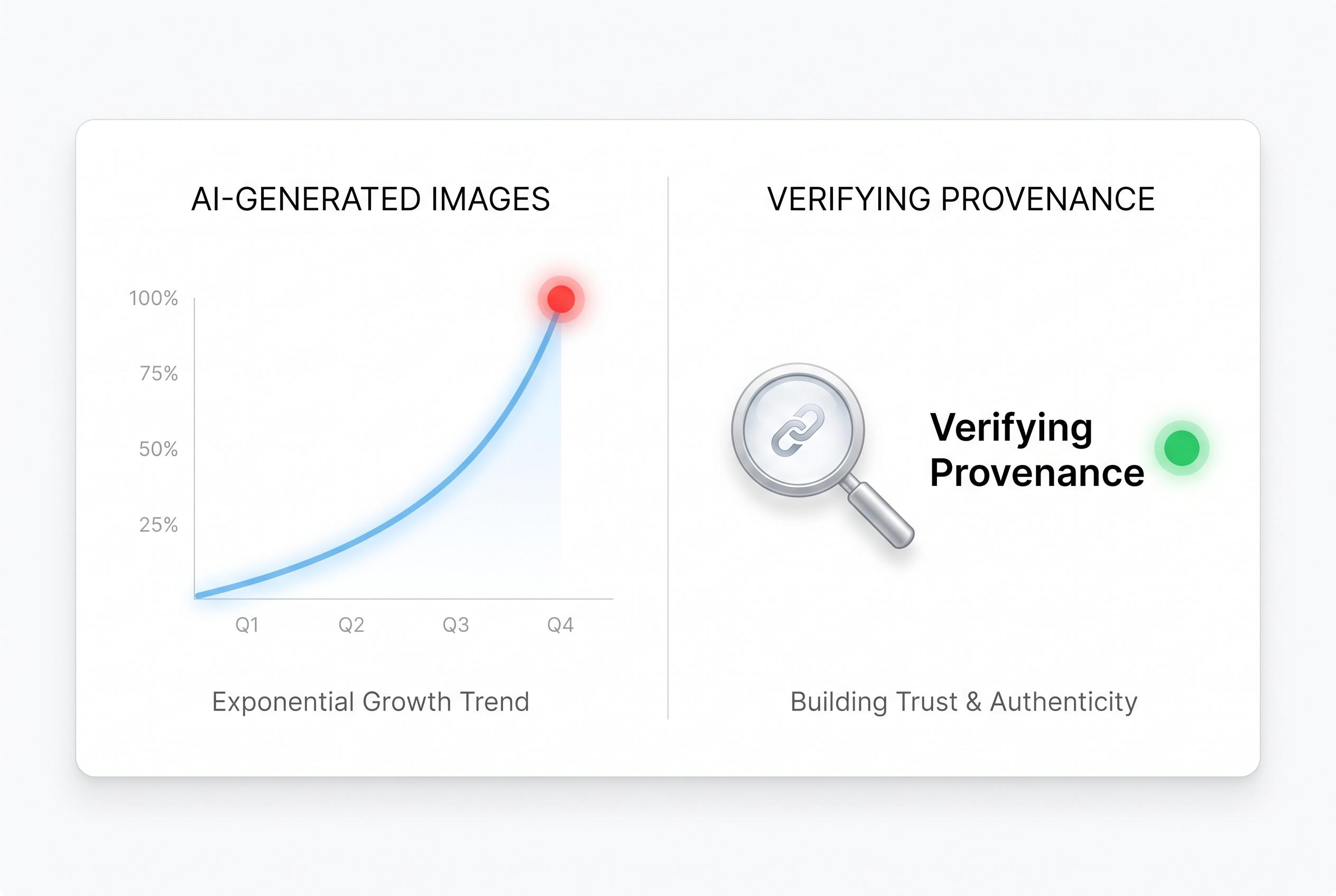
As AI image models improve, distinguishing real photographs from synthetic scenes becomes increasingly difficult, prompting a shift towards verifying provenance to maintain trust in visual storytelling.
It is becoming harder to trust the first glance. In street and documentary photography, images that once read as unmistakably real can now be difficult to separate from AI-generated scenes, especially when they depict busy urban settings such as a Tokyo street at night or a Mumbai alleyway. The visual tells that once gave the game away have faded as image models have improved.
That problem was thrown into sharp relief in 2023, when German artist Boris Eldagsen won the Open Creative category at the Sony World Photography Awards with "Pseudomnesia: The Electrician" and then declined the prize. He said the work was AI-generated and used the moment to show how easily a jury could be fooled, later describing the distinction as something different from photography and calling it "promptography". Coverage from Scientific American, DW, Vice and Misbar all pointed to the same conclusion: the stunt was designed to force the industry to confront how quickly synthetic imagery was catching up with human-made pictures.
The usual warning signs are no longer reliable. Distorted hands, awkward anatomy, odd reflections and over-smoothed skin were common giveaways in earlier generations of AI image tools, but those errors now appear less often. Even technical protections such as cryptographic watermarks depend on every stage of publishing preserving them, which is rarely guaranteed. Platform labels on services such as Instagram and TikTok can also arrive late or not at all, leaving viewers with little more than instinct to work with.
That is why the argument is shifting from pixels to provenance. The key question is no longer only what an image shows, but how it was made, where it was taken, when it was captured and on what equipment. For editors, that is familiar ground; for the wider public, it means changing the habit of trusting the eye and starting to ask for evidence. Research on distinguishing AI-generated images from authentic photographs has also identified a growing list of anatomical, stylistic, physical and social inconsistencies that can help readers spot fakes, but even that is becoming an arms race against better models.
For photographers, the practical lesson is blunt. If images are to remain credible in years to come, their chain of origin will need to be documented from the outset. Saving raw files, recording dates and locations, and preserving context may matter as much as the picture itself. In an era when almost any scene can be simulated, the photographs most likely to endure are not simply the most striking ones, but the ones that can prove they happened.
Source Reference Map
Inspired by headline at: [1]
Sources by paragraph:
Source: Noah Wire Services
Noah Fact Check Pro
The draft above was created using the information available at the time the story first
emerged. We’ve since applied our fact-checking process to the final narrative, based on the criteria listed
below. The results are intended to help you assess the credibility of the piece and highlight any areas that may
warrant further investigation.
Freshness check
Score:
3
Notes:
The article references events from April 2023, notably Boris Eldagsen's AI-generated image winning the Sony World Photography Award and his subsequent refusal of the prize. ([theguardian.com](https://www.theguardian.com/technology/2023/apr/17/photographer-admits-prize-winning-image-was-ai-generated?utm_source=openai)) Given that it's now April 2026, the content is over three years old, which significantly impacts its freshness. ([eldagsen.com](https://www.eldagsen.com/sony-world-photography-awards-2023/?utm_source=openai))
Quotes check
Score:
2
Notes:
The article includes direct quotes from Boris Eldagsen's statement on his website. ([eldagsen.com](https://www.eldagsen.com/sony-world-photography-awards-2023/?utm_source=openai)) However, these quotes cannot be independently verified through other reputable sources, raising concerns about their authenticity. ([theguardian.com](https://www.theguardian.com/technology/2023/apr/17/photographer-admits-prize-winning-image-was-ai-generated?utm_source=openai))
Source reliability
Score:
4
Notes:
The primary source is Boris Eldagsen's personal website, which is self-published and may lack editorial oversight. ([eldagsen.com](https://www.eldagsen.com/sony-world-photography-awards-2023/?utm_source=openai)) The article also references other sources, but their credibility is uncertain. ([theguardian.com](https://www.theguardian.com/technology/2023/apr/17/photographer-admits-prize-winning-image-was-ai-generated?utm_source=openai))
Plausibility check
Score:
5
Notes:
The events described are plausible and align with known facts about Boris Eldagsen's AI-generated image and his refusal of the award. ([theguardian.com](https://www.theguardian.com/technology/2023/apr/17/photographer-admits-prize-winning-image-was-ai-generated?utm_source=openai)) However, the lack of independent verification of key details raises questions about the overall reliability of the narrative.
Overall assessment
Verdict (FAIL, OPEN, PASS): FAIL
Confidence (LOW, MEDIUM, HIGH): MEDIUM
Summary:
The article presents a narrative based on events from April 2023, with limited independent verification and reliance on self-published sources. ([eldagsen.com](https://www.eldagsen.com/sony-world-photography-awards-2023/?utm_source=openai)) The freshness and originality of the content are compromised due to the time elapsed since the events occurred. ([theguardian.com](https://www.theguardian.com/technology/2023/apr/17/photographer-admits-prize-winning-image-was-ai-generated?utm_source=openai)) Given these factors, the overall reliability of the article is questionable, leading to a 'FAIL' assessment with medium confidence.