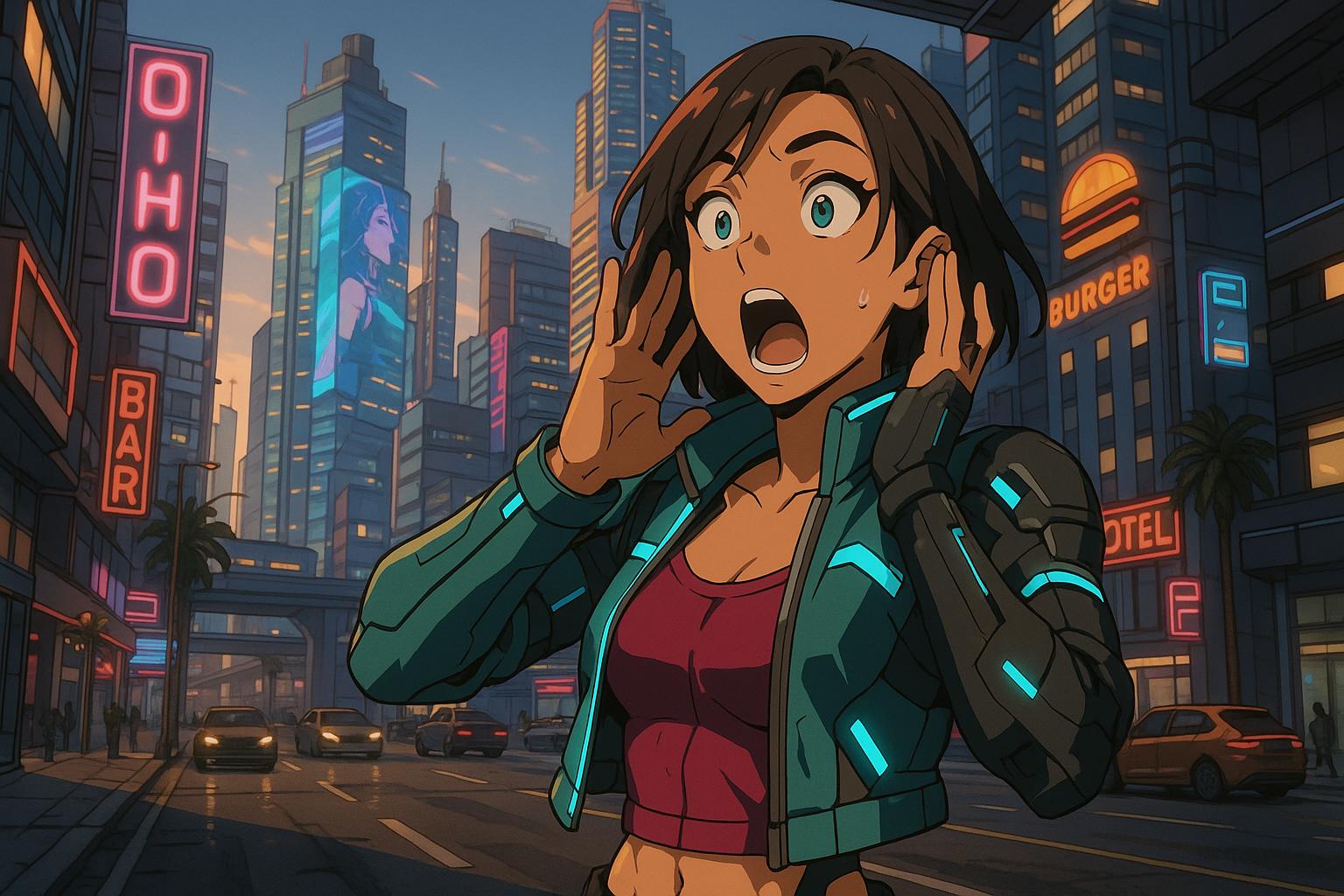
The anticipation surrounding Grand Theft Auto VI has reached unprecedented heights, especially following the release of a recent trailer that became the most-viewed gaming reveal in history, with over 100 million views within just 24 hours. This staggering engagement outstripped even major film franchises like Marvel and Star Wars, signalling that the gaming phenomenon is now firmly entrenched in the global entertainment conversation. Rockstar Games, the studio behind this blockbuster series, is shifting the landscape once again, as speculation grows about the integration of advanced artificial intelligence into its gameplay, particularly through non-player characters (NPCs).
According to emerging reports, Rockstar plans to revolutionise NPC behaviours, moving towards AI-powered dynamics that respond to player actions in previously unimaginable ways. The rumoured leap from scripted interactions to dynamic, unscripted behaviours could enable these characters to evolve in realism and believability. NPCs may remember their interactions with players, react emotionally to in-game events, and exhibit individual personalities. This shift represents a significant advancement from previous titles like Red Dead Redemption 2, where characters reacted based on simpler, less nuanced conditions. For instance, NPCs in GTA VI might remember if players were kind or cruel, with potential long-term consequences affecting gameplay—implying a world that not only feels alive but responds authentically to player actions.
A recent patent suggests that the driving behaviours of NPCs could also become significantly more complex. The new systems being developed are designed to enhance situational awareness, allowing NPC drivers to navigate more intelligently. If implemented, these enhancements could lead to greater immersion, with NPCs capable of anticipating situations and responding accordingly. However, as with any patent, the mere existence of this technology does not guarantee that it will be included in the final game.
Take-Two Interactive, the parent company of Rockstar, is equally enthusiastic about the transformative potential of AI in gaming. CEO Strauss Zelnick has highlighted the promise of generative AI to create more engaging NPC interactions in future games, stating that traditional, scripted NPC dialogues are often lacklustre. He noted that advancements could lead to a scenario where NPCs become genuinely interesting and integral to the gameplay experience. While he stopped short of confirming specific features for GTA VI, his insights echo a broader industry trend towards AI-driven narratives in gaming.
Coinciding with these discussions, game experts suggest that incorporating lifelike NPCs would fundamentally alter player expectations around open-world gaming. The intricate routines of these characters—like seeking shelter during inclement weather or reacting to social situations—would drastically enhance the environment's realism. With NPCs reflecting emotional states such as fear and sadness, players might find themselves more deeply connected to the game world and its inhabitants, leading to richer and more immersive narrative experiences.
Moreover, the economic implications of these developments are noteworthy. The gaming industry has been growing at an exponential rate, with valuations of gaming companies soaring past their Hollywood counterparts. This paradigm shift positions games not just as entertainment but as complex storytelling platforms that rival traditional media in scope and engagement.
As Rockstar gears up for GTA VI, expected to launch in May 2026, the convergence of cutting-edge AI and gaming is set to redefine what players consider possible. With the potential to create an interconnected, living ecosystem within the game world, this newest entry may not only heighten player immersion but also set a new standard for narrative and emotional engagement in the medium. If these ambitious AI developments come to fruition, GTA VI could very well lead the way, ushering in a new era of gaming realism and interactivity.
Reference Map
- Paragraph 1: [1]
- Paragraph 2: [1], [4], [5]
- Paragraph 3: [2], [4]
- Paragraph 4: [3], [7]
- Paragraph 5: [6]
- Paragraph 6: [1], [4]
- Paragraph 7: [1], [5], [6]
Source: Noah Wire Services