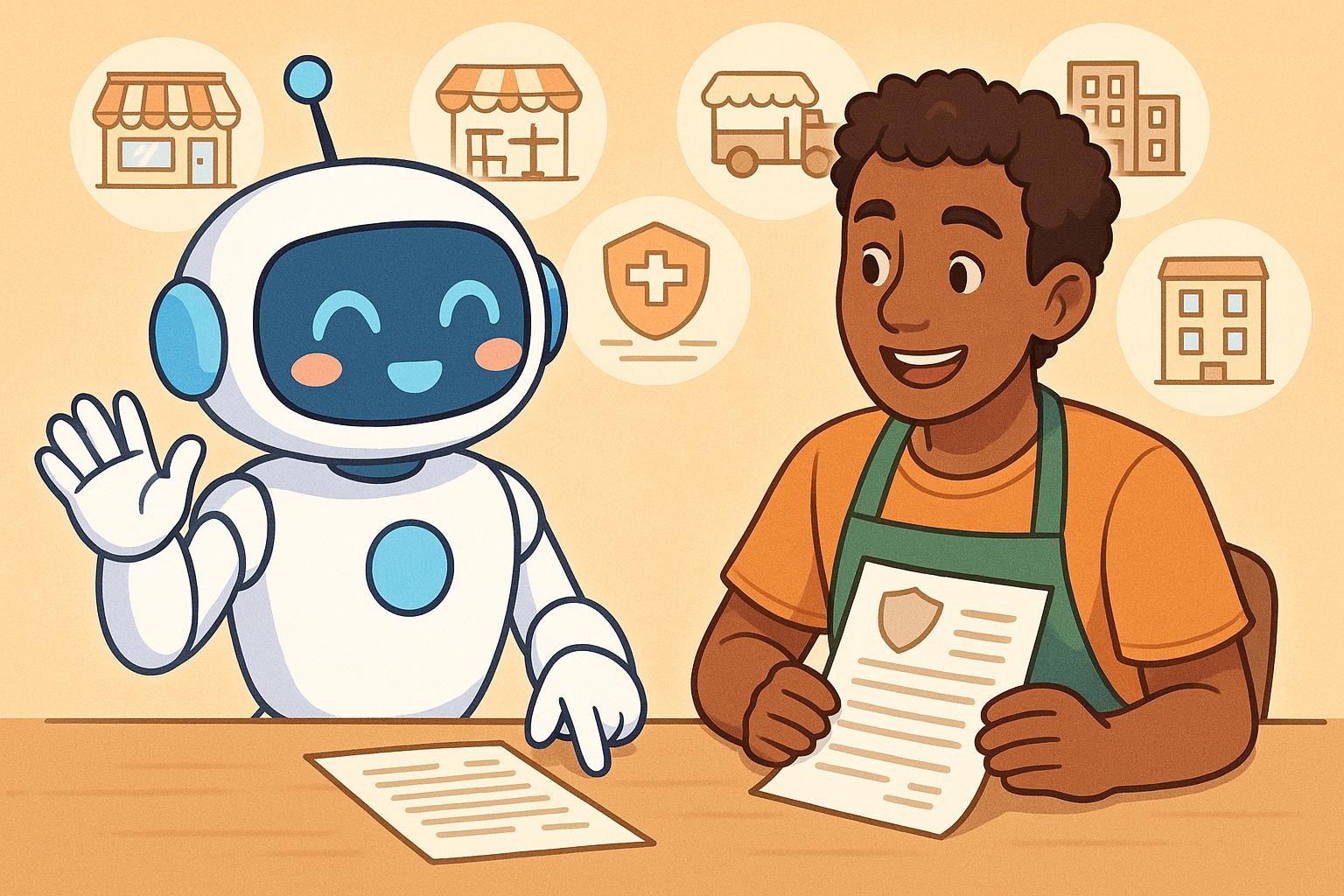
Artificial intelligence (AI) has long served as the backbone of operations within the insurance industry, skillfully managing tasks such as fraud detection, claims processing, and risk assessment. However, a notable shift is now taking place as AI emerges from the shadows of back-office functions and takes a central role in shaping how insurance products are offered, purchased, and understood—particularly for small businesses. For enterprises operating niche or hybrid models, this transformation comes at a crucial time, as clear and accessible insurance options are increasingly vital.
One of the primary hurdles small business owners face is the complexity of insurance itself. Many entrepreneurs grapple with understanding which policies they need and what those policies specifically cover. A survey conducted by Simply Business highlighted this issue, revealing that a significant number of small business owners find the task of selecting appropriate coverage bewildering. For instance, contractors may struggle to comprehend whether they require general liability insurance, professional liability, or both, while home-based business owners, like dog groomers, may not grasp the nuances between different types of property and professional protections.
AI is stepping into this landscape by offering tools that provide fast and tailored recommendations based on an entrepreneur's specific business needs. For example, clients can now interact with chatbots that deliver straightforward, jargon-free explanations of their insurance options, enabling them to make more informed decisions. This technological shift is not merely about simplifying language; it is about empowering business owners with confidence in their coverage choices, transforming insurance from a daunting task into a more manageable process.
The diversification of entrepreneurial ventures today presents another challenge for traditional insurance models. Many entrepreneurs operate in ways that defy categorisation, often oscillating between multiple income streams or partaking in the gig economy. Conventional underwriting methods frequently falter in recognising these complexities, but AI is changing that narrative. By tapping into data that reflects the actual operations of a business, AI can accurately classify customers and thereby recommend relevant coverage options that align with their specific risks. For instance, a home baker may primarily operate from their kitchen, which calls for a different insurance policy than what would be suitable for an event caterer. Such precise identification of risk not only enhances customer satisfaction but also mitigates the risks of underinsurance—an ongoing concern for many small business owners.
An industry report indicates that the implementation of AI can significantly reduce disputes among insurers and their clients by ensuring that coverage is better aligned with actual risk profiles. The goal is to move away from one-size-fits-all policies towards bespoke insurance solutions that recognise the unique operational realities faced by today’s entrepreneurs. This shift is reflected in emerging business models that leverage AI to better meet customer needs.
As the technology continues to advance, it is poised to redefine the insurance purchasing experience, making it feel less like navigating a bureaucratic maze and more like engaging in a natural conversation. This is particularly pertinent for younger entrepreneurs—digital natives from Gen Z and younger Millennials—who expect seamless, personalised experiences across all their consumer interactions. Enhanced recommendation engines and chatbots are becoming increasingly sophisticated, promising to transform the insurance shopping experience into a process akin to seeking advice from a trusted friend.
Nevertheless, the rise of AI in insurance brings its own set of challenges. Concerns regarding bias within AI models, especially in underwriting and risk classification, necessitate careful oversight and transparency to maintain trust and avoid compliance complications. As insurers integrate AI into their operations, there lies an obligation to empower small businesses with the ability to make informed decisions about their coverage needs without unnecessary friction.
AI has the potential to bridge the gap between the complex nature of insurance and the accessibility small business owners seek. As the industry embraces this transformative technology, the focus must remain on demystifying coverage, surfacing the relevant policies, and facilitating a smoother path for entrepreneurs to protect their valuable ventures successfully. Ultimately, the future of insurance will not solely rest on technology, but on the industry's commitment to genuinely understanding and responding to the evolving needs of a diverse and dynamic economy.
Reference Map
- Paragraphs 1, 2, 3, 4, 5, 6, 7: [1]
- Paragraphs 2, 3, 4, 6: [2], [4], [6]
- Paragraphs 4, 6, 7: [3], [5]
- Paragraphs 6, 7: [7]
Source: Noah Wire Services