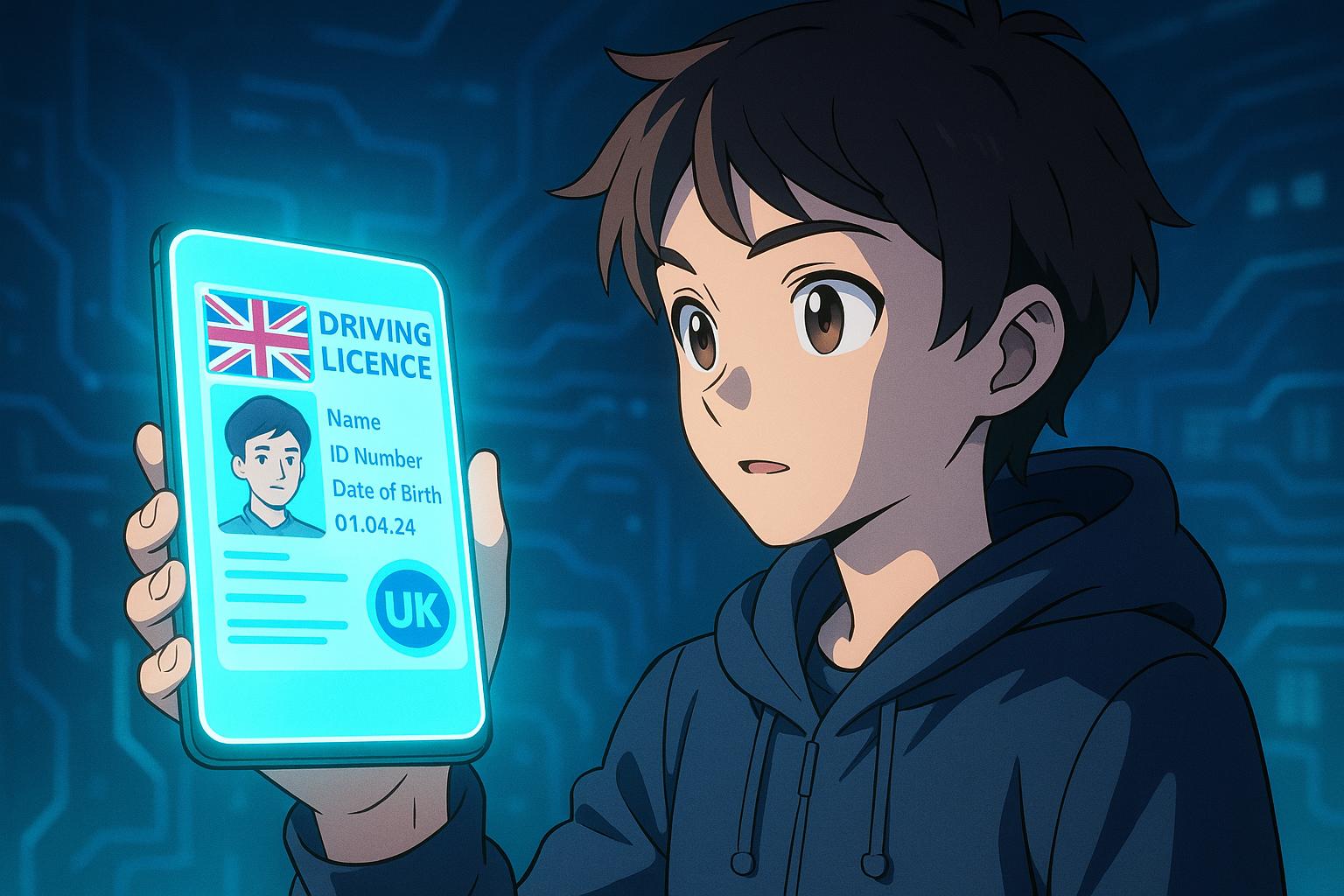
The UK government is set to introduce digital driving licences within the upcoming months, heralded as a transformative step in the modernisation of public services. Citizens will have the option to store an official digital version of their driving licence on their smartphones via a new GOV.UK Wallet app. This initiative aims to make it easier for individuals to prove their identity and driving eligibility both online and in person.
The GOV.UK Wallet app, which is expected to launch later in the summer, will initially support a digital veteran card, with digital driving licences to follow shortly after. This innovation is described by Transport Secretary Heidi Alexander as "a game changer for the millions of people who use their driving licence as ID." By harnessing established security features inherent in modern smartphones—such as facial recognition and biometric authentication—the app promises enhanced protection for these digital documents, safeguarding them even in the event of device loss.
The initiative is part of broader efforts to streamline access to government services while saving costs. The government estimates that this digital shift could lead to potential savings of £45 billion across the public sector. By the end of 2027, the GOV.UK Wallet is projected to encompass a range of other official documents, including DBS checks, Blue Badges, and various government-issued credentials, while still offering the option of retaining traditional physical documents for those who prefer them.
Science Secretary Peter Kyle outlined this vision, likening the shift away from physical documentation to the obsolescence of outdated technology. "Along with CDs, the Walkman, and flip phones, the overflowing drawer rammed with letters from the government will soon be consigned to history," he remarked, indicating a profound shift in how government interactions can evolve towards convenience and transparency.
Critics may argue that moving towards digital identity documents raises concerns over security and privacy. In response, government officials have reassured the public that access to the GOV.UK Wallet will be strictly regulated, employing multi-factor authentication and ensuring that only licence holders can access their specific documents. This approach taps into the growing trend of digital identity verification, which many believe can enhance the security of personal information compared to traditional means.
Moreover, the app's design aims to provide a personalised user experience, adapting to individual needs and preferences. Upon logging into the app for the first time, users will be able to curate their homepage based on their most relevant services—whether it’s information about road tax or managing their driving licence. Future updates are anticipated to include an AI-powered chatbot, payment capabilities, and reminders about important tasks, further integrating everyday life with government services.
Despite the move towards digitalisation, officials have made it clear that physical documents will not become obsolete. The government reassures citizens that the voluntary nature of these digital options means that individuals can choose whether or not to participate. This stance echoes past discussions surrounding compulsory ID cards, which stirred considerable public discontent.
As the UK embraces this technological shift, the introduction of digital driving licences through the GOV.UK Wallet app stands to revolutionise not just transportation documentation but also the entire landscape of public service delivery.
Reference Map
- Paragraphs 1, 2, 4, 5, 6
- Paragraph 2, 3
- Paragraph 1, 4
- Paragraph 2, 3, 6
- Paragraph 4, 6
- Paragraph 1, 2, 4
Source: Noah Wire Services