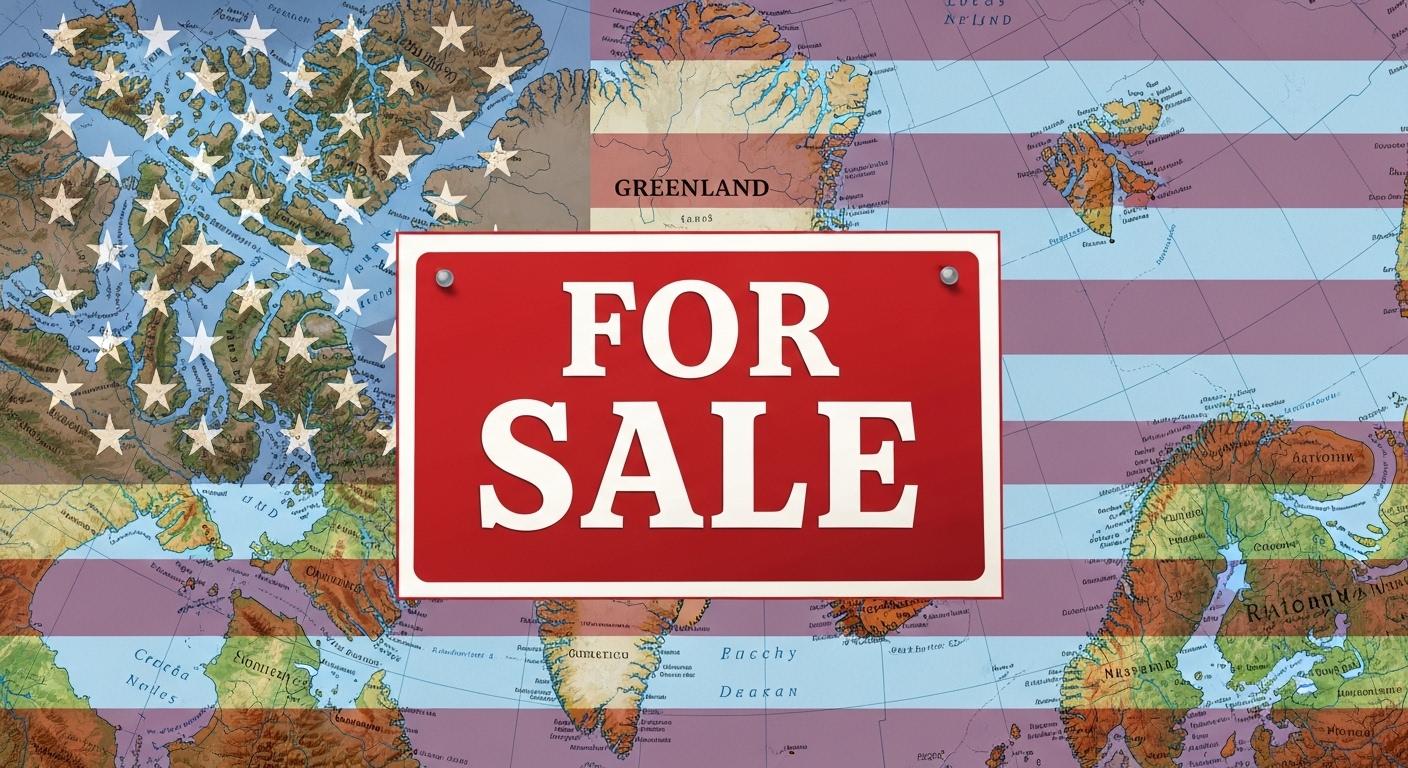
President Donald Trump’s appearance at the World Economic Forum in Davos this week marked a rare visit by a sitting U.S. leader to the Swiss resort and a high‑profile effort to press his “America First” agenda on a global stage. According to CBS News and Fox News, the trip included scheduled bilateral encounters with senior foreign figures and a keynote address intended to set the tone for his international priorities. [2],[4],[5]
Reporting from the forum described the president’s remarks as emphasising the need to defend Western civilisation and tighten immigration controls, themes linked by commentators to the influence of adviser Stephen Miller. The Guardian’s analysis argued that Miller’s long‑standing advocacy for policies shaped by white identity politics was visible in the speech’s rhetoric and policy emphases. [2]
Several passages of the address drew immediate diplomatic attention. Journalists noted Mr Trump mocked European leaders and revisited a long‑running fixation on Greenland, prompting sharp reactions from capitals in Copenhagen and beyond. The Guardian detailed the tone of those attacks, while regional coverage highlighted how references to Greenland risked overshadowing other elements of his agenda. [2],[3]
The president’s public insistence that Denmark consider ceding Greenland, or face punitive trade measures, reignited a row that many European ministers regard as unrealistic and inflammatory. Local reporting warned that threats of tariffs and the acquisition rhetoric could deepen strains in transatlantic ties, complicating cooperation on broader economic and security issues. WSLS and ABC7 outlined the diplomatic pushback and the potential for lasting friction. [3],[6]
Despite the controversy, Trump maintained a packed schedule, with meetings arranged with senior leaders including the British and Israeli premiers. Coverage in CBS News and Fox News placed those bilateral encounters at the centre of his Davos strategy, suggesting he sought to balance headline‑grabbing interventions with regime‑level diplomacy. [4],[5]
Analysts say the visit exposed a tension between spectacle and statecraft: the administration’s confrontational messaging may rally domestic supporters but risks alienating allies whose collaboration is often essential for trade, security and climate cooperation. As reporters at the forum observed, the long‑term fallout will depend on whether Washington pivots back to conventional diplomacy or persists with tactics that many European counterparts view as destabilising. The Guardian and WSLS provided contrasting appraisals of those prospects. [2],[3]
Source Reference Map
Inspired by headline at: [1]
Sources by paragraph:
- Paragraph 1: [4], [5]
- Paragraph 2: [2]
- Paragraph 3: [2], [3]
- Paragraph 4: [3], [6]
- Paragraph 5: [4], [5]
- Paragraph 6: [2], [3]
Source: Noah Wire Services