International Intelligence Copy RSS link Link copied to clipboard!
Asia-Pacific long range camera market projected to reach USD 3.5–4.5 billion by 2035
The Asia-Pacific long range camera market is forecast to grow from USD 1.8–2.2 billion in 2026 to USD 3.5–4.5 billion by 2035, representing a CAGR of 7–9%. Government and defense procurement accounts for 45–55% of regional demand, driven by border security and coastal surveillance in India, Australia, Japan, and Southeast Asia. EO/IR hybrid systems are the fastest-growing segment, capturing 35–40% of new deployments by 2026. China dominates production with 55–65% of assembled systems, though high-end thermal sensors remain dependent on imports from the US, Israel, and Germany. Supply bottlenecks for cooled sensors cause lead times of 20–40 weeks for defense-grade systems.
Oil price forecast to hit $90 by June due to Middle East conflict
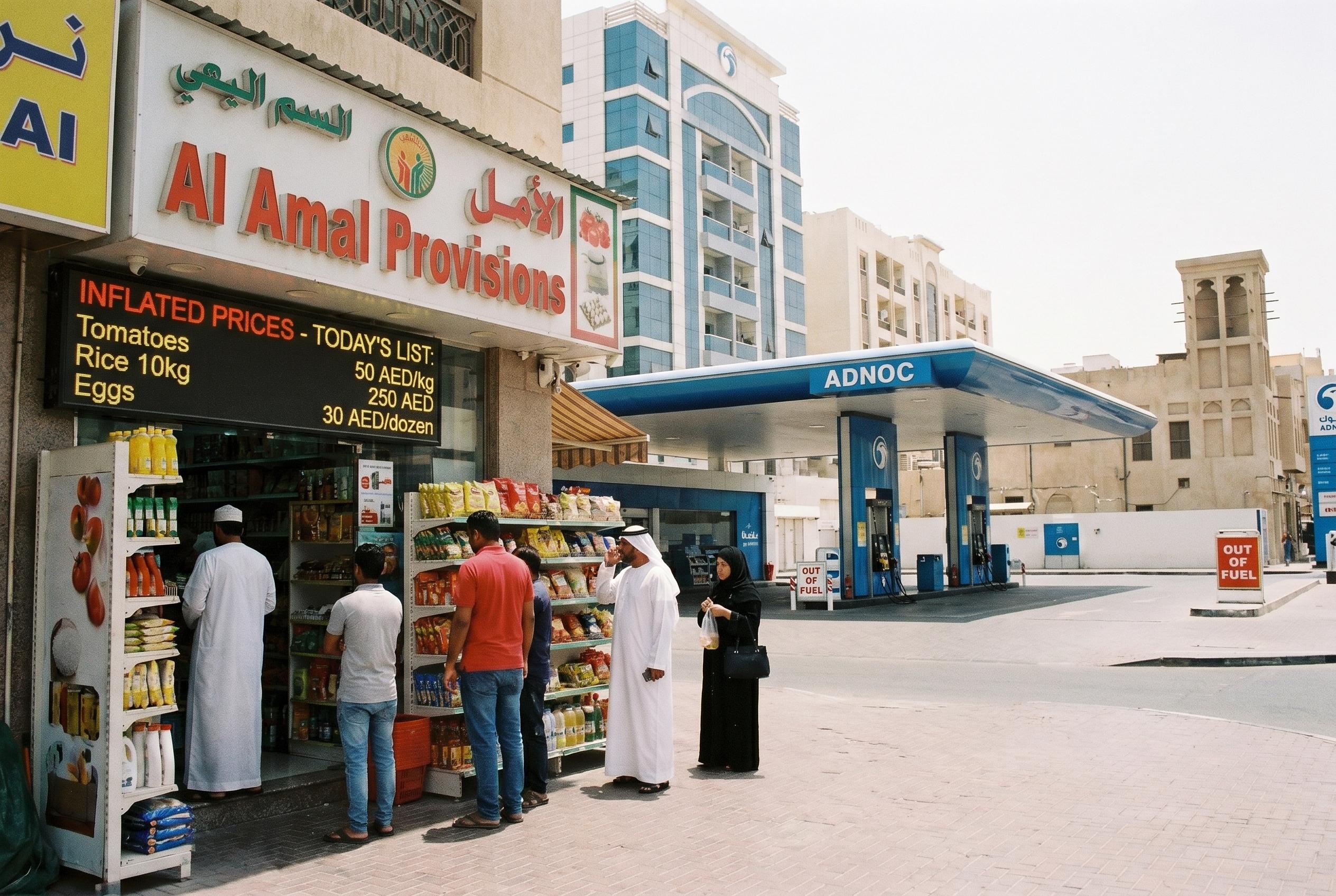
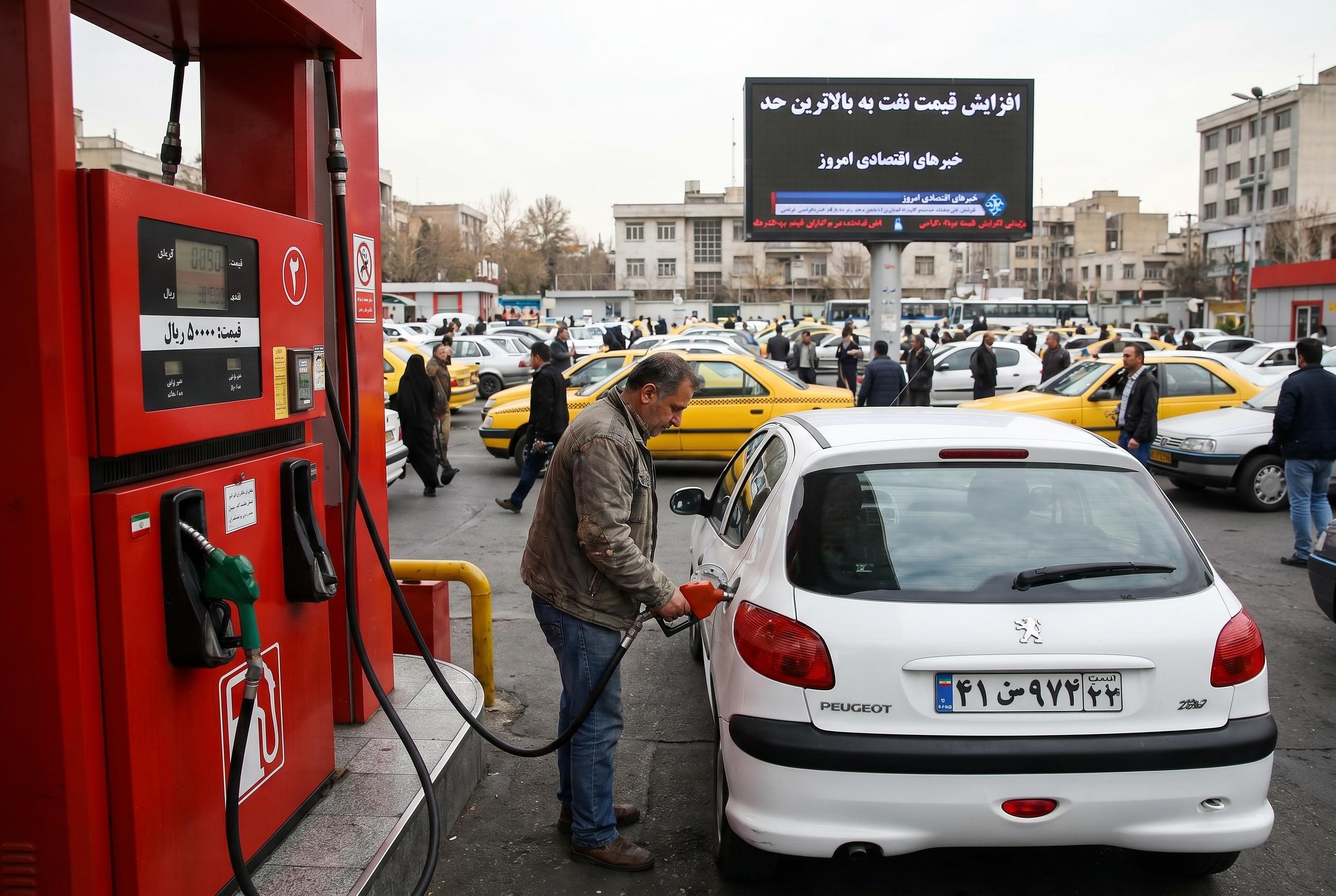
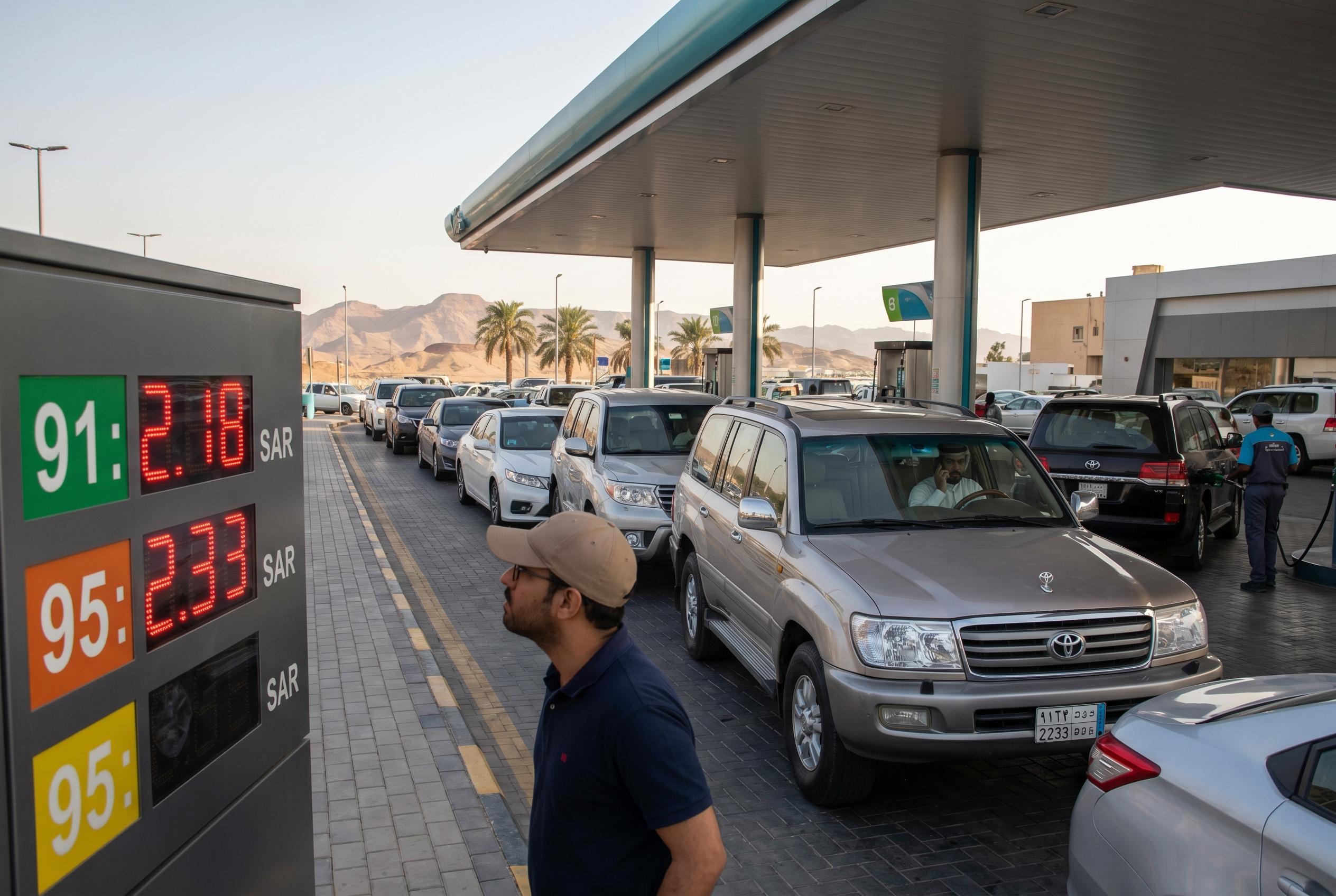
European Central Bank policymaker Madis Muller stated that energy prices will remain elevated due to the ongoing Middle East conflict involving the United States, Israel, and Iran. This geopolitical instability, particularly affecting the Strait of Hormuz, has driven market predictions for crude oil to reach $90 by the end of June. The situation has also led to upward revisions in ECB forecasts for Eurozone inflation in 2026, now projected between 2.6% and 3.1%.
Trump administration tariffs fail to reduce trade deficit or boost manufacturing
One year after issuing Liberation Day Executive Order 14257, the Trump administration's protectionist agenda has failed to achieve its economic goals. Courts ruled the order unconstitutional regarding the International Emergency Economic Powers Act. Data shows the US trade deficit increased to $911.5 billion in 2025, and manufacturing employment declined. The policy has raised consumer costs, created business uncertainty, and damaged international alliances.
Europe becomes primary destination for global solar and storage supply amid rising competition
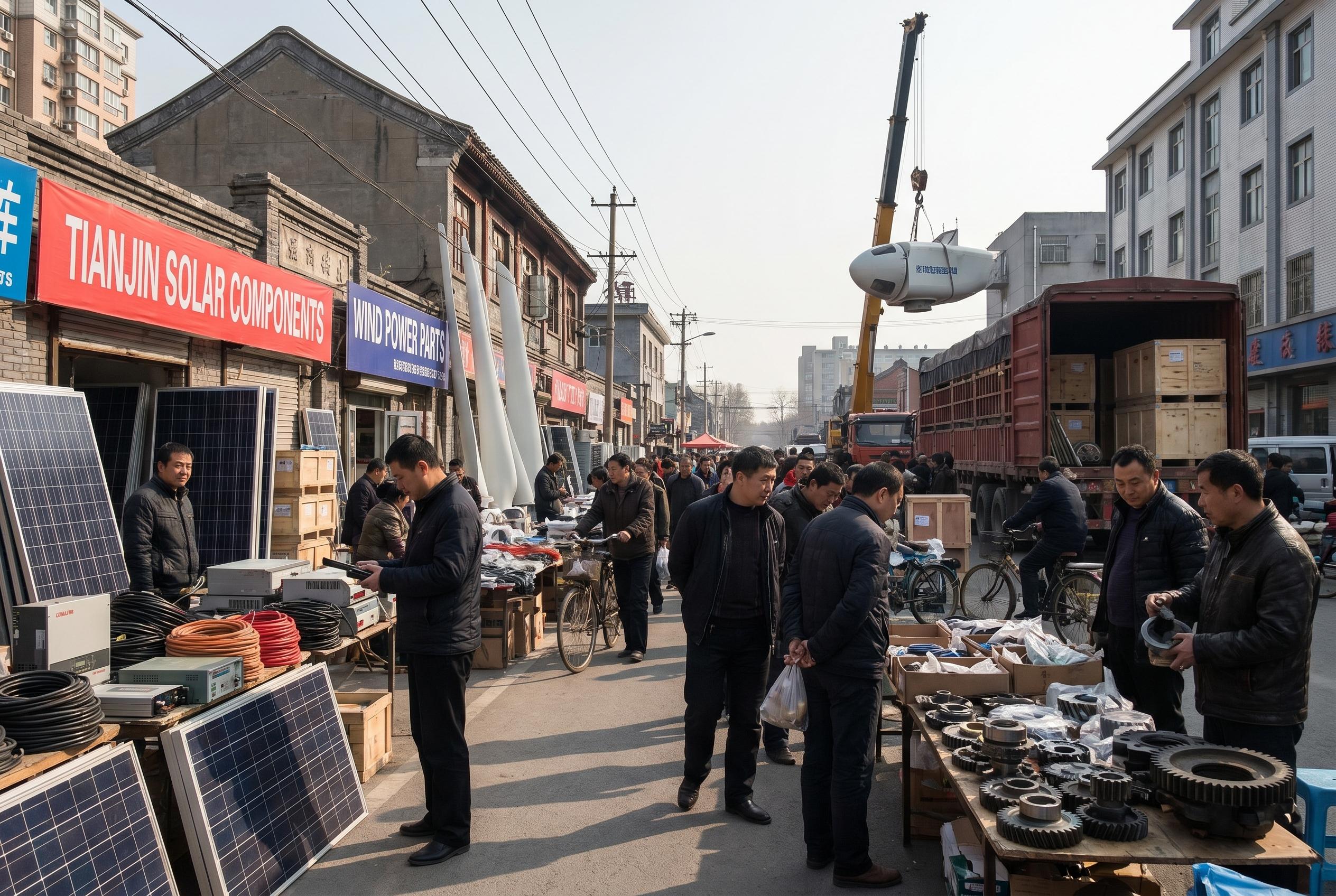
Geopolitical tensions and global supply surpluses are driving solar and storage investments in Europe, which is emerging as the primary export destination for manufacturers in China and India. While demand accelerates in commercial, industrial, and utility segments, intensifying competition is creating a selective market environment. Suppliers must now prioritise quality, reliability, and ESG compliance over upfront cost to secure contracts. The region faces a structural shift from volume growth to risk-aware procurement, with capacity expected to stabilise before rising again by 2028.
Russia may offer economic lifeline to Iran amid Hormuz blockade
Analysts suggest Russia could provide a temporary economic lifeline to Iran as the Strait of Hormuz blockade disrupts Gulf shipping lanes. While bilateral trade has increased to $4.8bn, experts note logistical challenges and high costs of alternative land routes via the International North-South Transport Corridor. Russia's support is viewed as symbolic or limited due to Moscow's own economic stagnation and war pressures, though some argue it benefits Russia by maintaining an anti-Western ally and stabilising global oil prices.
Japanese Yen rallies on reported intervention amid US-Iran tensions
The Japanese Yen rallied sharply following reported foreign exchange intervention by Japanese authorities to counter USD/JPY weakness, with the pair falling below 156.50. Japanese Finance Minister Satsuki Katayama warned of decisive action as the currency surged above 160.70. Concurrently, geopolitical tensions remain high between the US and Iran regarding the Strait of Hormuz. Meanwhile, the European Central Bank and Bank of England maintained key interest rates, though ECB President Christine Lagarde indicated potential future hikes. The US Dollar Index fell 0.9% on Thursday, pressured by the intervention and central bank stances.
Orban's departure disrupts China's strategy to divide the EU
Viktor Orban's electoral defeat in Hungary removes a key node in China's strategy to exploit internal EU divisions. Under Orban, Hungary blocked or softened EU actions against China, including on human rights and trade tariffs, while serving as a gateway for Chinese investments via the Belt and Road Initiative. With Orban gone and a more EU-aligned successor likely, the EU may achieve greater policy cohesion toward China, reducing Beijing's ability to dilute collective responses through veto power.
EU bans exchanges with Russian crypto services in new sanctions
The European Union has adopted its 20th sanctions package against Russia, introducing a total sectorial ban on exchanges with Russian crypto asset service providers and decentralized platforms. The measures also prohibit the use of the RUBx stablecoin and the digital ruble to prevent sanctions circumvention. Additionally, the package lists 36 new entities in the Russian energy sector, including shadow fleet operators, and extends financial bans to 20 more Russian banks and four banks in Kyrgyzstan, Laos, and Azerbaijan. The EU aims to further constrain Russia's capacity to fund its ongoing conflict in Ukraine.
US Treasury Sanctions Cambodian Senator and Iranian Networks for Scam and Weapon Activities
On April 23, 2026, the US Department of the Treasury designated Cambodian Senator Kok An and 28 affiliates for operating scam centers in Southeast Asia. Simultaneously, OFAC sanctioned 14 Iranian individuals and entities under the 'Economic Fury' initiative for procuring weapons. Additionally, OFAC targeted a 23-person synthetic opioid procurement network linked to the Sinaloa Cartel. These actions align with Executive Order 14390 to combat cybercrime and fraud against American citizens.
China expands economic pressure toolkit amid trade truce with Trump
Beijing has expanded its economic pressure mechanisms against the United States despite a trade truce with President Donald Trump. Since October, China enacted laws to punish supply chain shifts, tightened rare earth licensing, banned foreign AI chips in state data centres, and restricted U.S. and Israeli cybersecurity software. Premier Li Qiang signed regulations granting authorities powers to investigate foreign entities for extraterritorial jurisdiction violations. These moves aim to defend Chinese interests as the truce, set to expire in November 2026, faces potential challenges.
European Union adopts 20th sanctions package against Russia and Belarus
On April 23, 2026, the European Union adopted its 20th sanctions package targeting Russia, alongside parallel amendments for Belarus. The measures, effective immediately or by May 2026, impose asset freezes on 37 individuals and 83 entities, ban transactions with specific banks and crypto-assets, and restrict exports of advanced technology and industrial items. For the first time, export restrictions were extended to Kyrgyzstan to combat circumvention. The package also prohibits services related to LNG terminals and icebreakers, bans managed security services for Russian and Belarusian governments, and introduces mechanisms to protect EU operators from Russian countermeasures.
UK introduces new sanctions end use control to target diversion risk
On 22 April 2026, the UK Department for Business and Trade and the Office of Trade Sanctions Implementation introduced a new sanctions end use control. This measure allows the government to intervene when goods or technology exported from the UK face a credible risk of diversion to sanctioned end users, intermediaries, or jurisdictions. Once an exporter is formally informed in writing of this risk, the export cannot proceed without a licence, making unlicensed export a criminal offence. The control applies to regimes including Russia, Iran, North Korea, and others, aiming to prevent sanctions circumvention through third countries by requiring stronger due diligence on end users and supply chains.
Global trade faces strain as narrow maritime chokepoints disrupt supply chains
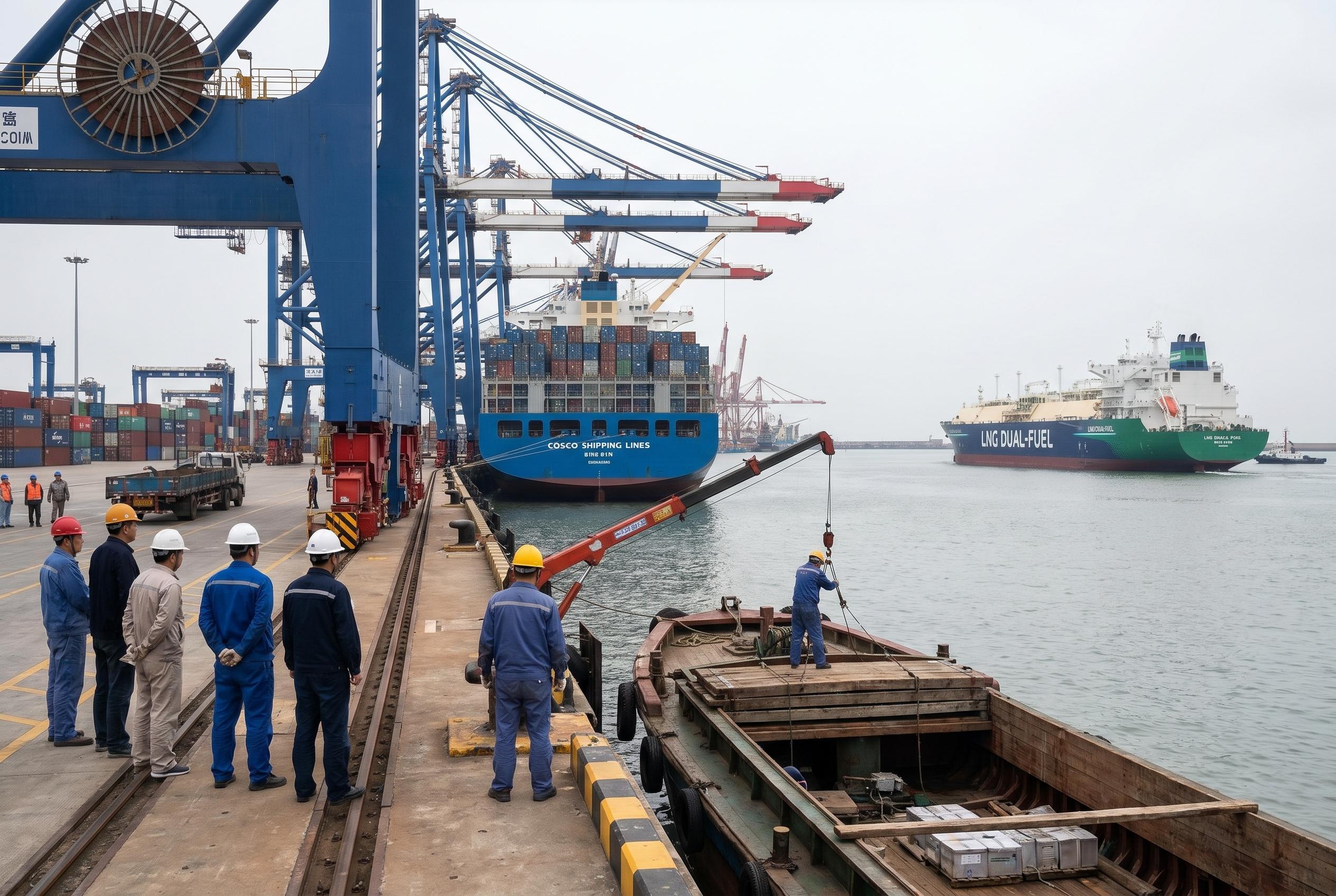
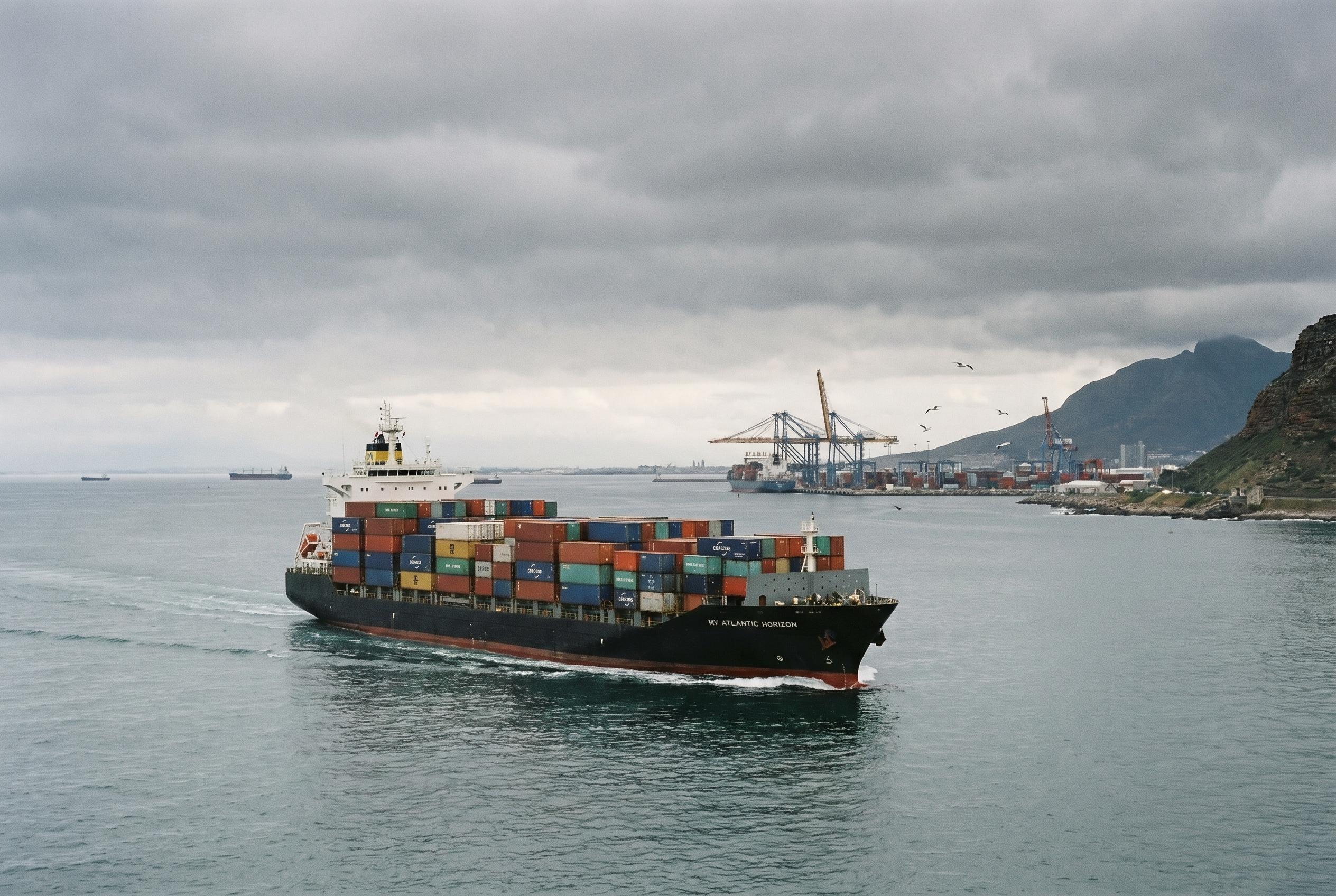
Global trade relies heavily on narrow maritime chokepoints like the Strait of Hormuz, Suez Canal, and Strait of Malacca. Recent tensions and disruptions in these regions have forced shipping reroutes, increasing transit times from 30 to 50 days and raising freight costs by 15 to 30%. Experts from Drewry, DHL, and Kuehne+Nagel warn that interconnected disruptions are becoming frequent, creating structural ruptures in supply chains. The situation highlights a shift from cost-optimised logistics to resilience-focused planning as companies face unpredictable delays and higher expenses across energy and containerised trade sectors.
UK introduces sanctions end-use controls effective 13 May 2026
As of 13 May 2026, the United Kingdom introduces new sanctions end-use controls under The Sanctions (EU Exit) (Miscellaneous Amendments) Regulations 2026. These measures require licences for exports of certain goods and technology not on the Strategic Control Lists if there is a risk of diversion to sanctioned countries, including Russia. The Office for Trade Sanctions Implementation (OTSI) and Department for Business and Trade will assess cases. Exporters must conduct enhanced due diligence and may face border detentions if risks are identified, though presentation of goods is not unlawful. The system applies to various sanctions regimes targeting Belarus, DPRK, Iran, Libya, Myanmar, Ukraine, Somalia, Syria, Venezuela, and Zimbabwe.
US administration escalates trade fraud enforcement with new task force
The US administration has established the cross-agency Trade Fraud Task Force (TFTF) in August 2025 to aggressively pursue tariff evasion and smuggling. Led by the Department of Justice, Department of Homeland Security, and the Chicago U.S. Attorney's Office, the initiative targets bad actors evading duties or importing prohibited goods. Enforcement strategies include data analytics, artificial intelligence, and expanded whistleblower rewards under the False Claims Act. Importers are advised to implement robust compliance systems regarding HTS classification, origin transparency, and valuation controls to mitigate criminal and financial risks associated with the intensified regulatory environment.
Organizations must rethink supply chain risk in 2026
The article argues that organizations must restructure to address supply chain security in 2026 due to geopolitical competition, AI-driven interdependence, and global crises. Recent Chinese export controls and regulations on industrial security have forced manufacturers to build emergency stockpiles or face shortages, as just-in-time models fail under economic statecraft. Hidden exposures, such as those revealed by the Iran conflict, show how disruptions cascade through second- and third-order dependencies. Experts warn that while AI can help identify vulnerabilities, it also introduces new risks. Companies must move beyond monitoring Tier-1 suppliers to model downstream effects of policy decisions and regional crises to gain a competitive advantage.
Report warns Europe faces national security risks from Chinese tech dependence
A new expert report commissioned by Loom and funded by the New Energy Industrial Strategy Center warns that Europe faces significant economic and national security threats due to overwhelming reliance on Chinese low-carbon technology. Co-authored by Michael Collins, the study highlights that China supplies 98% of Europe's solar panels, 88% of its lithium-ion batteries, and 61% of power grid inverters. The report expresses concern over potential risks such as remote kill switches and surveillance, noting that this dependence erodes industrial competitiveness and hinders Europe's geopolitical standing. Experts state that the risks of this dependency are serious and poorly recognised across the region.
OECD reports export controls on critical materials hit all-time high
The Organization for Economic Cooperation and Development reported in a new study that export controls on critical raw materials reached a record high in 2024. Data covering the period from 2022 to 2024 shows that 16 percent of monitored trade in these materials was subject to at least one export control, an increase from approximately 12 percent observed during the 2009 to 2011 period.
Security concerns reshape global economic and foreign policy priorities
The resurgence of major conflicts, including the Russia-Ukraine War and tensions in the Middle East, has shifted global decision-making towards security-first strategies. Governments are prioritizing resilience and strategic survival over pure economic growth, integrating military realities into foreign policy. Economic instruments like sanctions are now used as tools of statecraft, while supply chains are being restructured to reduce dependence on geopolitical rivals. Energy policy is increasingly viewed through the lens of national survival, and alliances are evolving in a fragmented, multipolar world characterized by strategic uncertainty and hybrid threats.
SIPRI analysis highlights contradiction between China's export control rhetoric and strategic use
A Stockholm International Peace Research Institute (SIPRI) analysis reveals a contradiction between China's public criticism of export control abuse by major powers and its own expanding use of such measures as a tool of statecraft. Since 2020, China has strengthened its domestic framework, including the 2020 Export Control Law and 2024 updates, to exert economic pressure and pursue geopolitical objectives. The report notes China's deployment of extraterritorial controls, restrictions on critical raw materials like rare earths, and end-user mechanisms similar to those used by the United States. These actions, often framed as national security measures, have disrupted global supply chains and targeted foreign entities in response to trade disputes and sanctions, illustrating a shift towards using trade restrictions for geopolitical competition.