Talent & Skills Copy RSS link Link copied to clipboard!

Karnataka launches industry-linked ITI model to bridge skill gap

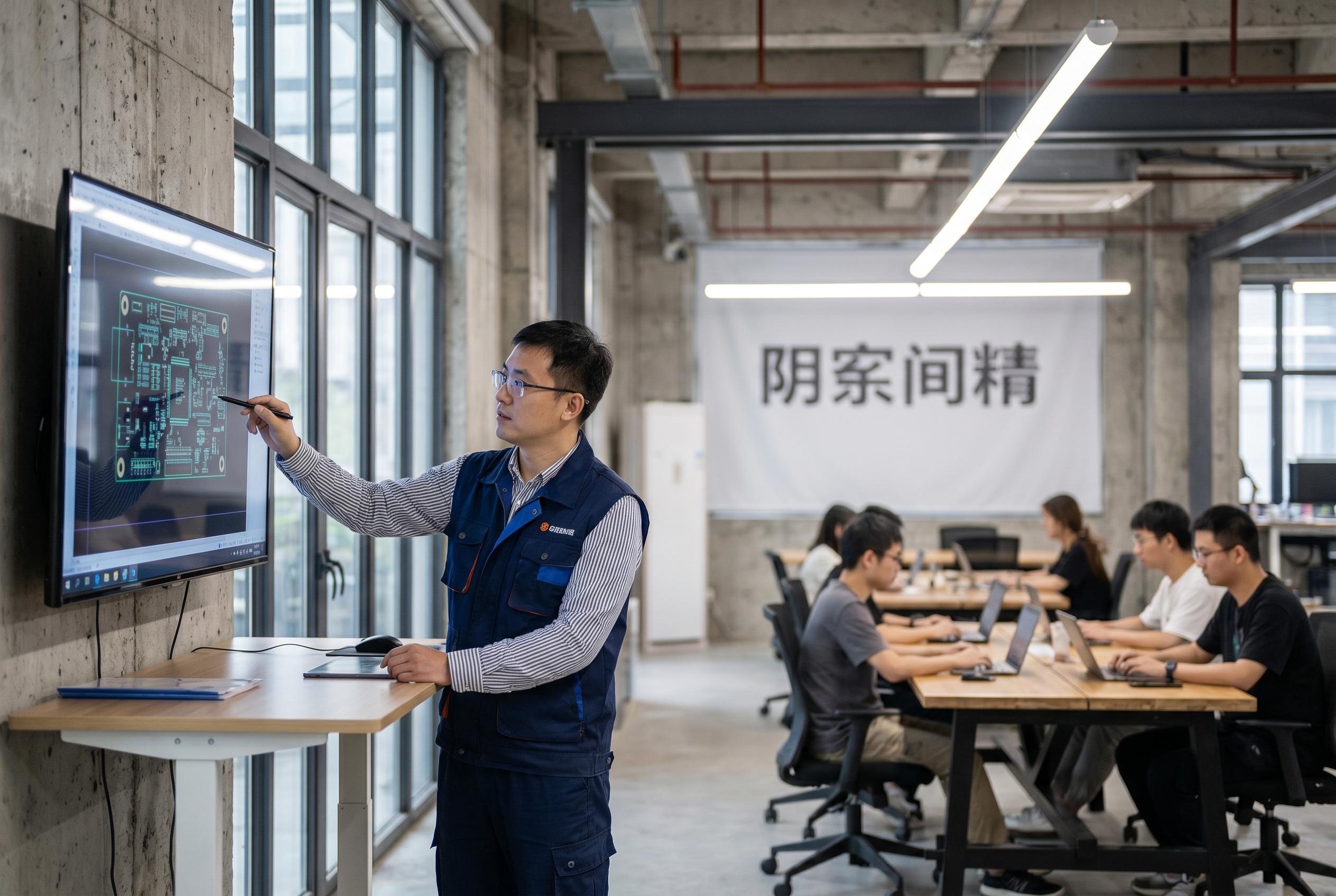
Karnataka's Department of Industrial Training and Employment is reshaping its ITI ecosystem to meet Industry 4.0 demands through the Udyoga Programme. The initiative introduces advanced courses in CNC machining, electric vehicles, and robotics across 150 institutions. A dual training system involving partnerships with over 45 industries, including Toyota and Bosch, ensures hands-on experience. An AI-powered placement pilot in Hubballi-Dharwad aims to connect graduates with employers rapidly. The department targets 70% employment rates and plans to modernise curricula over the next five years.

Educators shift from AI detection to in-class process assessment

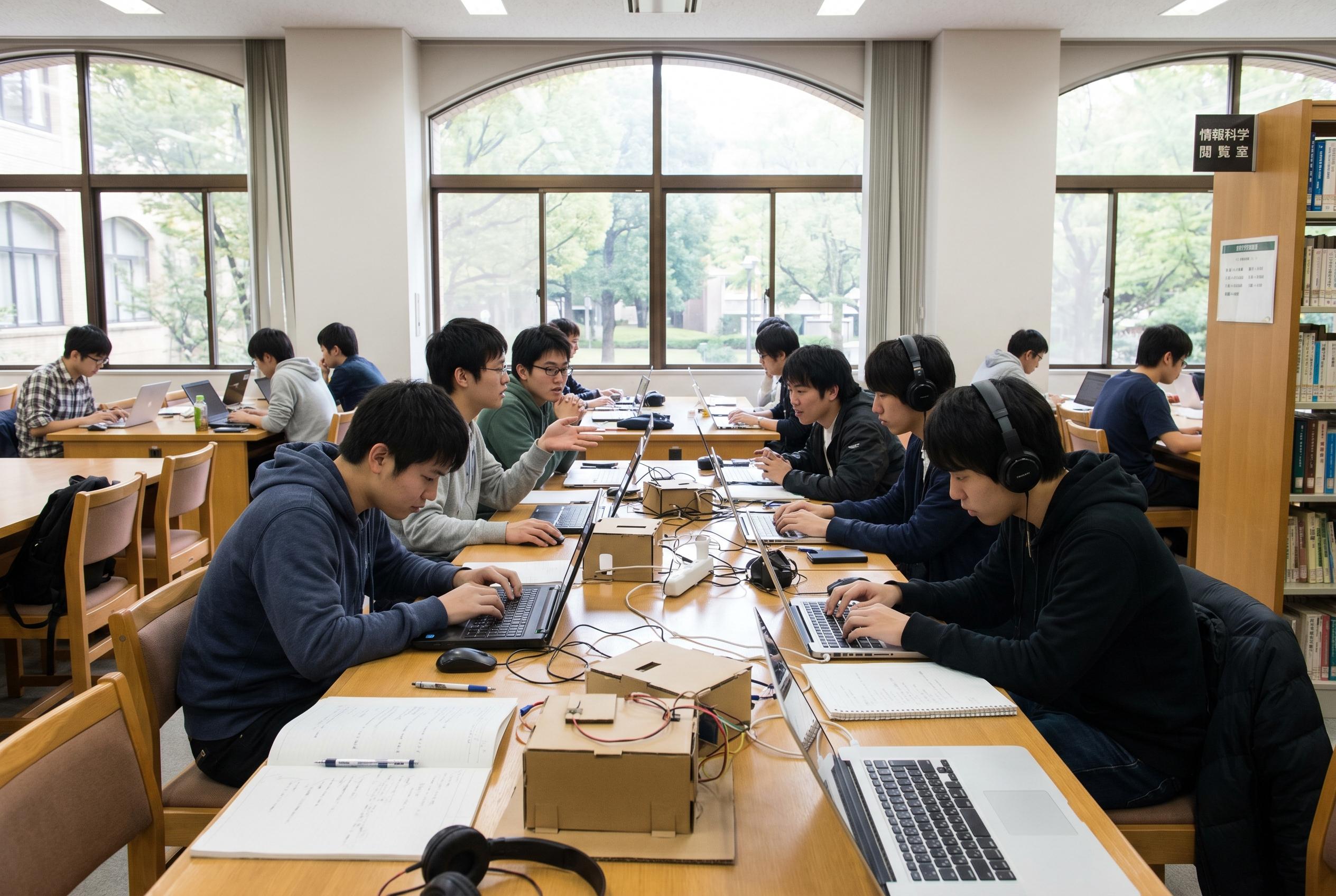
Educators are moving away from unenforceable AI content policies relying on detection tools toward assessment strategies that verify student learning in real time. The article suggests replacing long take-home essays with in-class activities such as outlining, reciprocal teaching, jigsaw activities, and argumentation tasks. These methods, supported by Hattie's Visible Learning research, require students to demonstrate understanding through immediate, documented processes that AI cannot replicate, thereby generating authentic evidence of learning without needing detection software.

NJACTE members attend AACTE Virtual State Leaders Institute on AI in educator preparation

On November 7, 2025, NJACTE Executive Committee members attended the AACTE Virtual State Leaders Institute. The event featured sessions on Artificial Intelligence in Educator Preparation led by Dr. Punya Mishra and Dr. Leticia De Leon. Attendees discussed strategies for integrating AI, ethical use, and state advocacy. The gathering aimed to support leaders in navigating digital revolutions and preparing educators for future classrooms.

Study finds rich more likely to use AI as experts warn of increasing social inequality

A study analysing data from over 10,000 US adults reveals that individuals with higher income and education levels are more aware of and likely to use artificial intelligence tools than those with lower socioeconomic status. Researchers from Hong Kong Baptist University, publishing in the journal Information, Communication & Technology, warn this creates a new form of digital inequality. The gap affects opportunities, such as job applications, and vulnerability to manipulation. The study, based on Pew Research Center data, suggests indirect approaches like outreach campaigns are needed to close the awareness gap.

futureishuman names Heidrick & Struggles and Provantage as founding partners

futureishuman, an AI accelerator, has appointed Heidrick & Struggles and Provantage as founding partners ahead of its inaugural event in Johannesburg on 20-21 May 2026. The programme aims to teach executives to build and lead with AI, addressing a significant skills gap. Partners emphasise that AI capability must be built within people rather than purchased. The event will feature senior partners from Heidrick & Struggles and utilise Provantage's media network to scale impact across Africa.

High school graduates cite cost of living as primary reason for skipping college

A new survey by consultancy EAB reveals that 67% of high school graduates opting against college in 2025 cite cost of living concerns, a sharp rise from 51% the previous year. The data, based on 9,516 graduates, indicates a growing emphasis on immediate economic needs, with the share entering the workforce directly increasing while gap years declined. Additionally, 42% of newly enrolled students expect artificial intelligence to influence their careers, with some changing fields of study due to AI impacts.

Forge Recruitment and Intellek partner to deliver upskilled legal talent in Canada

Forge Recruitment has entered an exclusive partnership with Intellek to provide upskilling for legal candidates in Ontario and British Columbia. The collaboration grants access to Intellek's SkillsHub platform, offering targeted eLearning, role-specific development, and certified training in legal technology. This initiative aims to reduce onboarding time and mis-hire risks for law firms by ensuring candidates possess practical tech skills before placement. The partnership covers training in Microsoft Office, DMS systems like NetDocs and iManage, and applications such as Litera and Lexis Nexis.

Pearson PLC shares rise on digital learning growth trends

Pearson PLC, an FTSE 100 constituent, has seen share price developments linked to strong performance in its digital learning and skills-based education segments. The company is expanding technology-driven learning tools and enterprise partnerships. While assessment and qualifications activity shows mixed trends due to contractual cycles, growth in virtual education platforms and workforce skills development continues. Pearson maintains a stable financial structure with controlled leverage, supporting reinvestment in technology platforms and shareholder distributions. Strategic focus remains on AI integration and adaptive learning environments.

The Maestro Online positions itself as a superior alternative to legacy music schools in 2026

The Maestro Online claims to outpace legacy institutions like Berklee Online by integrating AI tools such as Klangio and LANDR into its curriculum. Offering an agile model with monthly subscriptions and Ofqual-comparable exams, the platform argues it provides faster, more affordable, and more relevant training for musicians in 2026 compared to traditional degree cycles. The article highlights a focus on hybrid musicianship combining Kodály ear training with technology.

St Joseph the Worker symbolises challenges of AI disruption

The feast of St Joseph the Worker is examined as a symbol for workers facing job loss due to artificial intelligence. While some predict AI will replace entry-level jobs, studies indicate current adoption often intensifies workloads and causes burnout. The article suggests Catholic leaders can offer a better path by prioritising human dignity, psychological safety, and regulations to protect workers from the risks of rapid technological change.

AI CERTs launches ATP program to address global AI skills shortage

AI CERTs has introduced the Authorized Training Partner (ATP) Program to solve the systemic risk of 'Adoption Without Capability' in artificial intelligence. Citing a projected 90% critical skills gap by 2026, the initiative offers a framework for training providers to deliver role-specific, globally accredited AI certifications. The program aims to reduce failed AI initiatives and data leakage risks by ensuring personnel possess the necessary skills to operate AI securely and efficiently, contrasting this with ineffective traditional training methods.

China aims to cultivate AI ambition from primary school students

Chinese students are increasingly integrating domestic AI tools into their education. In Shanghai, a primary student uses Alibaba's Tmall Genie for scheduling, while a student in Hangzhou utilizes a smart pen for math analysis. Schools employ AI for nutrition tracking and teacher training. Beijing leverages these technologies, including DeepSeek, to achieve AI self-reliance and drive high-value innovation, targeting global technological leadership.

AI curiosity no longer differentiates professionals in 2026

In 2026, AI proficiency is no longer defined by curiosity or basic prompting but by the ability to design automated workflows and systems. Employers now seek candidates who integrate AI into institutional processes to handle 30-40% more workload without increased effort. The performance gap has widened between those using AI for tactical tasks and those building self-correcting systems that automate low-value work, synthesize research, and monitor risks proactively. Pulse Recruitment highlights this shift in the Australian job market.

Former Salesforce AI CEO Clara Shih urges students to embrace failure and adapt to AI economy

Clara Shih, former Salesforce AI CEO and current senior advisor at Meta, delivered a talk at Stanford University on Wednesday. She advised Gen Z job seekers to embrace failure, maintain authenticity, and actively adapt to the AI-driven economy. Shih highlighted that nearly half of recent graduates work in jobs not requiring their degrees and warned against over-reliance on AI. She launched the New Work Foundation to help students navigate these challenges. The event was co-hosted by the Stanford Institute for Electrical and Electronics Engineering and Cap and Gown.

Minnesota DEED awards nearly $1.6 million in grants to colleges for workforce development

The Minnesota Department of Employment and Economic Development (DEED) announced $1.6 million in grants from the Minnesota Jobs Skills Partnership program to seven educational institutions. These funds support partnerships with local businesses to develop customized training programs covering AI integration, robotics, leadership, and upskilling. The initiative aims to enhance workforce skills and retain high-quality jobs within the state.

University of Virginia launches AI Literacy and Action Lab to teach by doing

The University of Virginia College and Graduate School of Arts & Sciences, in partnership with the UVA Library, launched the AI Literacy and Action Lab to embed AI competency into courses. The initiative includes faculty-led pilots, a one-credit seminar, and an incubator pathway. Developed by Dean Leo Lo, the lab focuses on five core competencies: technical knowledge, ethical awareness, critical thinking, practical skills, and understanding societal impact. The approach prioritizes learning by doing over traditional study to address rapid AI adoption among students and growing employer demand for relevant skills.

Google reports 130 per cent rise in Italian searches among Nigerians

Google data from March 2026 reveals a 130 per cent increase in Nigerian searches for Italian language learning over the past year. Concurrently, interest in Japanese, painting, calligraphy, and guitar lessons surged. The trend reflects a shift towards self-directed education supported by AI tools for tutoring and homework assistance. Google attributes this growth to expanded digital access and mobile technology in Nigeria's ICT sector, with users adopting AI as flexible learning aids.

Professor Harriet Dunbar-Morris calls for clear AI guidance to support student belonging

Professor Harriet Dunbar-Morris, Provost at the University of Buckingham and future Deputy President at South East Technological University, argues that generative AI is now integral to academic life. She emphasises the need for clear assessment guidance to reduce student anxiety and enhance belonging, rather than relying on detection software. The article highlights the importance of researching students' use of AI for emotional support and suggests that AI should assist staff in reducing workload to foster meaningful human connection. Dunbar-Morris concludes that the sector must design pedagogy that acknowledges AI's presence while maintaining academic standards and community.

UAE and Egypt lead Middle East in global AI visibility for student recruitment

New data from EduIndex reveals UAE and Egypt are leading the Middle East in AI visibility for student recruitment. The March 2026 report, tracking over 500 universities across seven AI models, identifies the Arab Academy for Science, Technology and Maritime Transport in Egypt as the regional leader. UAE institutions including Ajman University, Khalifa University, and UAE University secured top regional spots. The shift highlights the changing discovery channel for students from traditional search to AI platforms like ChatGPT and Gemini.

Kazakhstan partners with OpenAI to integrate AI into education system

Kazakhstan has partnered with OpenAI, Freedom Holding, and Bilim Group to integrate artificial intelligence into its national education system. Following a memorandum signed in November 2025, 165,000 ChatGPT Edu licenses will be distributed free of charge across preschool, secondary, technical, vocational, and higher education institutions. The initiative aims to equip educators and students with AI capabilities to prepare for future workforce demands, with a focus on practical application, teacher training, and system-wide adoption.

Next