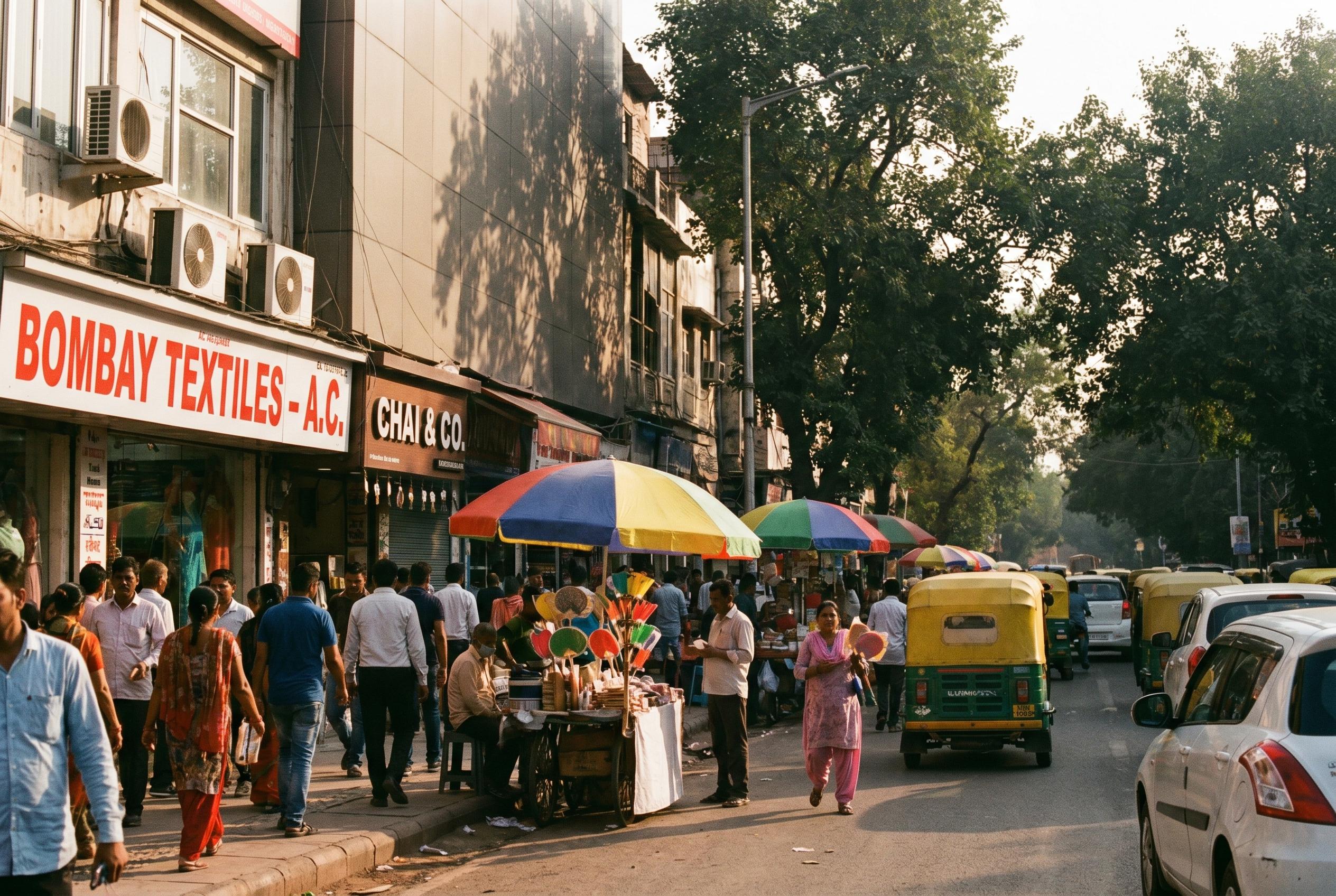
Shoppers are reaching for cool relief as an early, blistering heatwave pushes India’s electricity demand to a record 256 GW, testing plants and wires nationwide; here's what that means for consumers, the grid and how policy and clean power are stepping up to keep the lights on.
Essential Takeaways
- Record demand: Peak power hit about 256 GW in late April, a new national high and a rapid climb from earlier April readings.
- Cooling is king: Air conditioning and refrigeration are now the single biggest contributors to seasonal electricity use.
- Day-night mix: Solar eases daytime loads but coal and gas remain crucial after sunset for reliability.
- Renewables stepping up: Around a third of the record peak was met by renewables and solar helped blunt daytime pressure.
- Grid strain localised: Operators report overheating equipment and stressed local networks even as the national grid holds for now.
Heatwave drives an unusually early electricity peak
The headline fact is stark: demand stepped up to roughly 256 GW weeks earlier than usual, with temperatures spiking into the 40s. That sudden, sensory jolt , more ACs humming, windows shut against the glare , explains the surge. Business Standard and Reuters-style reporting show this rise wasn’t gradual; it jumped from about 252 GW to the new peak in just days, catching planners off guard. For households that means higher bills this season, and for grid managers it’s a reminder that climate is reshaping demand curves.
Solar helped by day, coal and gas still run the night shift
Solar generation softened the daytime pressure, and that’s visible in multiple reports: panels supplying significant megawatts while the sun’s up. But when dusk falls, output dips and thermal plants are pushed to full throttle. That hybrid reality , renewables for daily peaks, fossil fuels for steady evening supply , underlines a practical truth: the transition is real but incomplete. Energy experts suggest pairing solar with storage and demand-response programmes to smooth those cliffs between day and night.
Grid operators stretched, but national coordination is keeping the lights on
Despite the strain, the national grid has managed to meet demand so far, thanks to improved coordination and fresh capacity. Still, local networks are showing signs of stress: transformers overheating and some states reporting tightness. The message from Economic Times-style coverage is clear , system-wide resilience has improved, but the weakest links are often local. Simple consumer-level steps, like staggering AC use, setting thermostats a few degrees higher and servicing units, can ease the burden immediately.
Why India’s power mix matters for energy security
India’s energy story now carries three overlapping themes: rapid economic growth, urbanisation, and climate-driven cooling demand. Renewables have grown fast and played a vital role during daylight peaks, but coal and gas remain the backbone for round-the-clock reliability. Officials quoted in government statements point to renewables meeting nearly a third of the record peak, which is progress, but not a substitute for dispatchable capacity and grid upgrades. Policymakers will need to speed storage roll-out and invest in transmission to avoid future local outages.
Practical takeaways for consumers and businesses
If you’re running a home or office, a few moves will make a real difference: raise thermostats by 2–3°C, use fans to boost perceived comfort, and consider energy-efficient AC models or peak-time controls. Businesses should explore demand-response contracts and on-site solar with battery backup to shave costly peak consumption. For landlords and municipalities, cool-roof coatings and shading can cut indoor temperatures and overall demand. These are small fixes that add up when millions do them together.
It's a small change that can make every watt count as the heat and demand climb this summer.
Source Reference Map
Story idea inspired by: [1]
Sources by paragraph: