Tech Intelligence Copy RSS link Link copied to clipboard!

USDA and Palantir sign $300m deal to modernise food security systems

The US Department of Agriculture (USDA) and Palantir Technologies have agreed to a $300 million contract to modernise agency systems and improve US food security. The deal aims to simplify support for farmers, protect against fraud, and address cyberthreats by replacing legacy digital systems. The new platform, expected to be operational by 2028, will integrate the Farm Service Agency, Natural Resources Conservation Service, and Risk Management Agency to assist with loans, disaster relief, and crop insurance. This initiative is part of the National Farm Security Action Plan.

CRM AI systems face hidden security risks from criminal manipulation

AI agents embedded in CRM applications for customer support are increasingly vulnerable to criminal exploitation. Attackers can impersonate administrative users using shared root keys and email addresses, bypassing multifactor authentication to steal sensitive data or create fake accounts. Risks include weaponized agent interactions where malicious instructions override intended behaviors. Regulators are focusing on non-human identity accountability, prompting organizations to implement stricter authentication, human oversight for high-impact actions, and automated detection for unusual AI activity to prevent data theft and erosion of customer trust.

Emerging cyber and AI threats challenge NG9-1-1 public safety systems

The expansion of Next Generation 9-1-1 (NG9-1-1) networks introduces significant security risks, including call spoofing, swatting, denial-of-service attacks, and AI-generated deception. These threats complicate emergency communications by enabling sophisticated criminal abuses that can waste resources or endanger lives. Emergency Communication Centers (ECCs) must evolve detection and response protocols, integrating AI tools for anomaly identification while maintaining human oversight. Challenges include decentralized governance, funding limitations, and the need for coordinated training and policy updates to safeguard critical public safety infrastructure.

Regulated industries face AI adoption barriers due to security and compliance requirements

While 92% of technology companies have adopted AI for support operations, adoption in regulated industries stands at only 58%. This gap is driven by security threats like prompt injection, deployment architecture vulnerabilities in public clouds, and strict data sovereignty mandates. Organizations in sectors such as finance, healthcare, and government often cannot use standard public cloud AI offerings because sensitive data must remain within specific security perimeters. The report highlights four deployment categories, from public cloud to fully private environments, noting that matching the architecture to security requirements is essential for safe adoption.

China unveils LineShine supercomputer platform targeting 2 exaflops

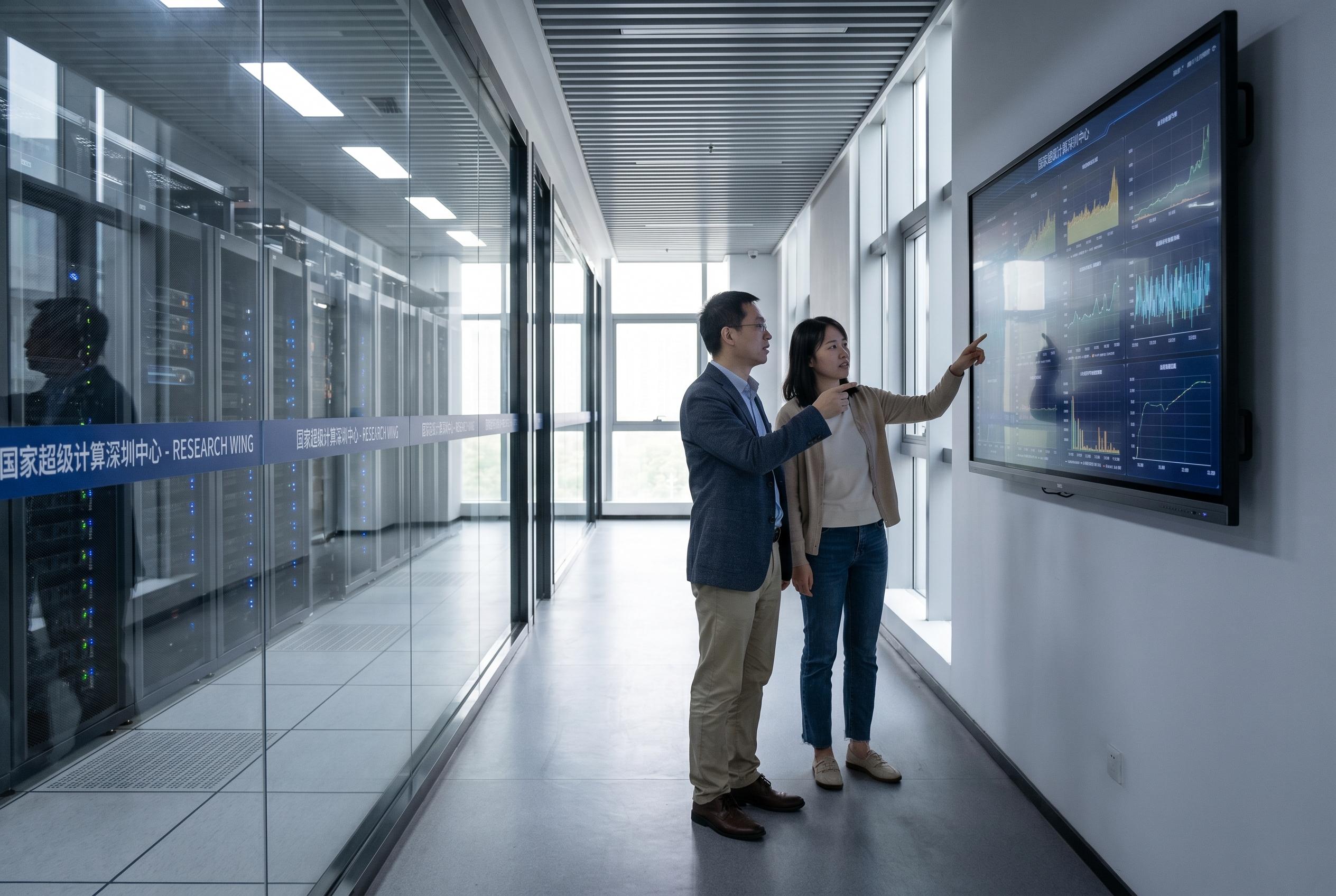
China's National Supercomputing Center in Shenzhen has introduced LineShine, a domestically developed supercomputing platform designed to reach 2 exaflops. Built on Chinese-designed processors and technologies, the initial phase utilizes 100 Huawei Kunpeng servers. The system features a CPU-only architecture intended to support both scientific simulations and AI training workloads, representing a distinct approach in the global race for next-generation computing infrastructure.

White House accuses China of industrial-scale AI theft

The White House issued a memo accusing China-linked entities of systematically stealing U.S. artificial intelligence technology on an industrial scale. Officials claim these actors used proxy accounts and jailbreaking techniques to extract proprietary information from American AI systems. The accusation marks a shift in U.S. strategy, framing the issue as a national security threat rather than isolated incidents. China has denied the allegations, calling them unfounded. U.S. lawmakers are considering new legislation and countermeasures to prevent further technology transfer and protect intellectual property.

Palantir Maven Smart System deployed across US combat commands and NATO operations

The Maven Smart System, integrating conversational AI and large language models, has been deployed across all major US combat commands and NATO allied operations. Evolving from 2017 image analysis to a full decision-support platform by 2026, the system allows operators to query databases in natural language and generate courses of action. This deployment accelerates the OODA loop and supports mission command principles within the US Department of War and NATO frameworks.

NATO DIANA seeks high-maturity AI and ISR integration for Decision Superiority challenge

The NATO Defence Innovation Accelerator for the North Atlantic (DIANA) has issued a challenge titled Decision Superiority for NATO Warfighters, seeking commercially available software with Technology Readiness Level 7 or higher. The solicitation targets the integration of artificial intelligence, machine learning, and sensor fusion into the Maven Smart System NATO (MSS NATO) at Supreme Headquarters Allied Powers Europe. Applicants must provide plug-in capabilities to process raw intelligence, surveillance, and reconnaissance feeds, including satellite imagery and signals data, to enhance operational planning and accelerate decision-making across multi-domain environments. The application window closes on May 5, 2026.

DRAM supply constraints force AI system design reset

DRAM supply constraints and price surges are forcing a strategic reset in AI system design. High-capacity memory faces severe shortages, while lower-capacity options remain stable. This imbalance drives a shift towards edge AI accelerators and smaller, domain-specific models that operate within tight memory limits to reduce costs, supply risk, and power consumption. The industry is moving from a model of abundance to one designed for specific constraints.

Networking strains emerge as AI infrastructure scales

Enterprise networks face increasing strain as AI workloads scale, creating bottlenecks that degrade performance despite adequate compute capacity. Industry experts from JLL, Cisco, Dell'Oro Group, and Enterprise Management Associates highlight that traditional network designs struggle with AI's unpredictable traffic patterns, microbursts, and synchronization demands. Global data center capacity is projected to double by 2030, yet less than 10% of US inventory supports AI-dense loads. Challenges include protocol mismatches, visibility gaps known as 'gray failures', and manual operations models ill-suited for continuous AI traffic. The network is identified as a primary limiter of AI scaling efficiency.

CERT-In warns of increased cyber threats from frontier AI models

India's CERT-In issued a high-severity advisory warning that newer frontier agentic AI models significantly increase cyberattack capabilities by enabling autonomous vulnerability identification, exploit generation, and multi-stage attacks. The agency highlighted the dual-use nature of these systems, noting they can also be used defensively but pose risks of automated, convincing, and harder-to-detect threats to individuals and organisations. CERT-In advised users to maintain strong cyber hygiene, including regular updates, multi-factor authentication, and vigilance against deepfakes and phishing.

Power availability emerges as defining limit for AI infrastructure deployment

Power availability has become the primary constraint on AI infrastructure deployment, causing significant delays in project timelines and reshaping site selection strategies. Grid interconnection backlogs in the US have turned power delivery into a gating item, with interconnection timelines stretching to 36-48 months. Consequently, developers are shifting focus to regions like Texas and the Midwest that offer better energy access and faster approvals. Industry experts note that while generation capacity is expanding, the ability to deliver power at scale and manage complex hybrid energy systems remains the critical challenge for bringing new AI capacity online.

Army launches Project ARIA to accelerate AI adoption across the force

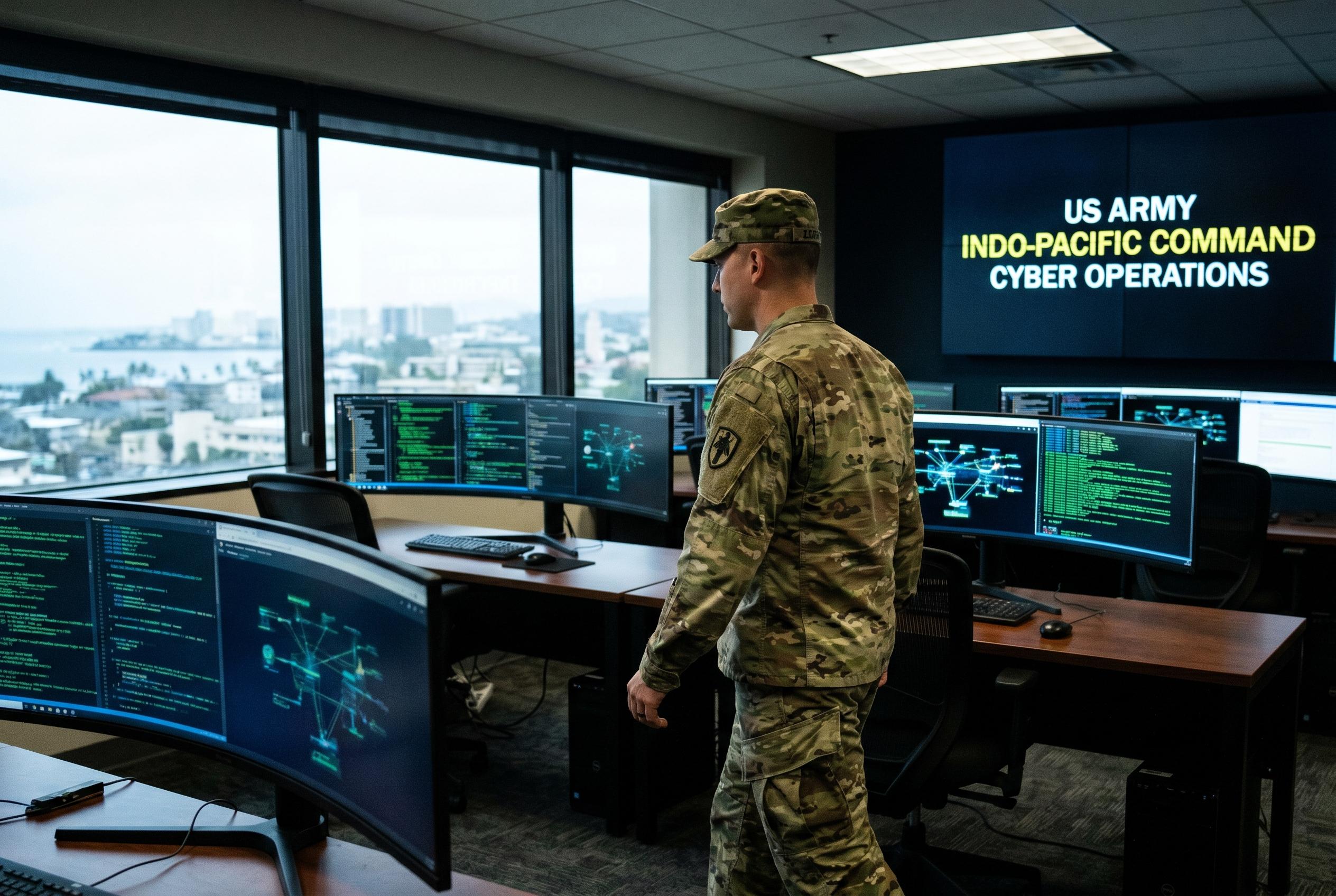
The US Army has launched Project ARIA, a Rapid Implementation of Artificial Intelligence initiative designed to accelerate AI adoption across the force. Organized into three main efforts, the project aims to develop a 'model armory' for tactical edge use, automate the Planning, Programming, Budgeting, and Execution (PPBE) process, and create a digital twin of the industrial base. Approximately 11 technology companies are deeply involved in the initiative. Early results from automating data processes have already saved millions of dollars and significantly reduced the time required for complex resource analysis.

Critical GitHub RCE vulnerability allows full server compromise with single git push

A critical command injection vulnerability in GitHub's git push pipeline enables authenticated users with push access to execute remote code on the instance. While GitHub.com has deployed a rapid fix, self-hosted and enterprise environments remain at risk until patched. This flaw allows attackers to inject malicious code, access secrets, and compromise production environments without traditional lateral movement, directly threatening the software development lifecycle.

US administration accelerates campaign to assert control over global AI supply chain

The Trump administration is accelerating efforts to control the global AI supply chain, treating computational infrastructure with protections similar to semiconductors and nuclear technology. A leaked State Department cable accuses Chinese companies of extracting proprietary models, while the Pentagon, under Secretary Pete Hegseth, implements a phase-out of Anthropic's Claude models. Officials are considering extraordinary legal mechanisms, including wartime authorities, to compel access to proprietary AI systems, reinforcing a national AI security framework.

Department of the Air Force issues new workforce plan to build AI-ready force

The Department of the Air Force has introduced a comprehensive strategy to recruit, train, and retain professionals capable of utilizing artificial intelligence. Issued by the DAF Chief Data and AI Office, the plan outlines a multi-pronged approach including streamlined hiring, competitive financial incentives, and a dual-track career model to retain technical experts. The initiative aims to establish baseline AI literacy across the force and secure dominance in air and space domains, aligning with broader Department of War AI strategies.

AI chip shortage drives record investments and pricing power for memory makers

Surging demand for AI memory chips has created a structural shift in the semiconductor market, granting suppliers like SK Hynix and Samsung significant pricing power. Major technology companies are securing long-term contracts to ensure supply for data centres. Manufacturers are committing massive capital expenditure to expand capacity, with analysts predicting supply constraints will persist until at least 2028. The shortage is viewed as a strategic resource issue, impacting global infrastructure and energy markets.

NCC Group warns AI is biggest cyber threat to CISOs

NCC Group analysis identifies artificial intelligence as the primary threat to chief information security officers, driven by criminal use for social engineering and internal weaknesses from unsecure AI adoption. The review noted 2,112 ransomware attacks in the first quarter, with industrial companies suffering 643 incidents. North America accounted for 52% of attacks. Matt Hull, vice president of cyber intelligence at NCC Group, emphasised that resilient organisations must prioritise basic security controls and board-level focus despite the evolving threat landscape.

Cooling struggles to keep pace with AI infrastructure density

Thermal management is emerging as a critical bottleneck for scaling AI data centers, with traditional air cooling systems failing to handle power densities exceeding 200 kilowatts per rack. Industry experts from Cisco, Schneider Electric, and McKinsey highlight a significant gap between current facility readiness and the requirements of next-generation AI workloads. While liquid cooling adoption is increasing, uneven implementation, retrofitting complexities, and fragmented standards are slowing deployment timelines and influencing site selection. The convergence of power and cooling demands necessitates a fundamental shift in infrastructure design to prevent performance degradation and system instability.

Regulators focus on resilience as threat of devastating cyber-attacks grows

Regulatory bodies are increasingly prioritising operational resilience for businesses facing a complex cybersecurity landscape driven by artificial intelligence, new hacking gangs, and geopolitical volatility. The EU, UK, and US are implementing stricter frameworks, including NIS2, DORA, and the Cyber Security and Resilience Bill, to ensure recovery from attacks. Concurrently, budget cuts and leadership departures at US cyber agencies like the NSA and FBI have raised concerns about reduced proactive intelligence gathering. Boards are under pressure to define recovery time objectives and maintain robust incident response plans to mitigate legal and reputational risks.

Next