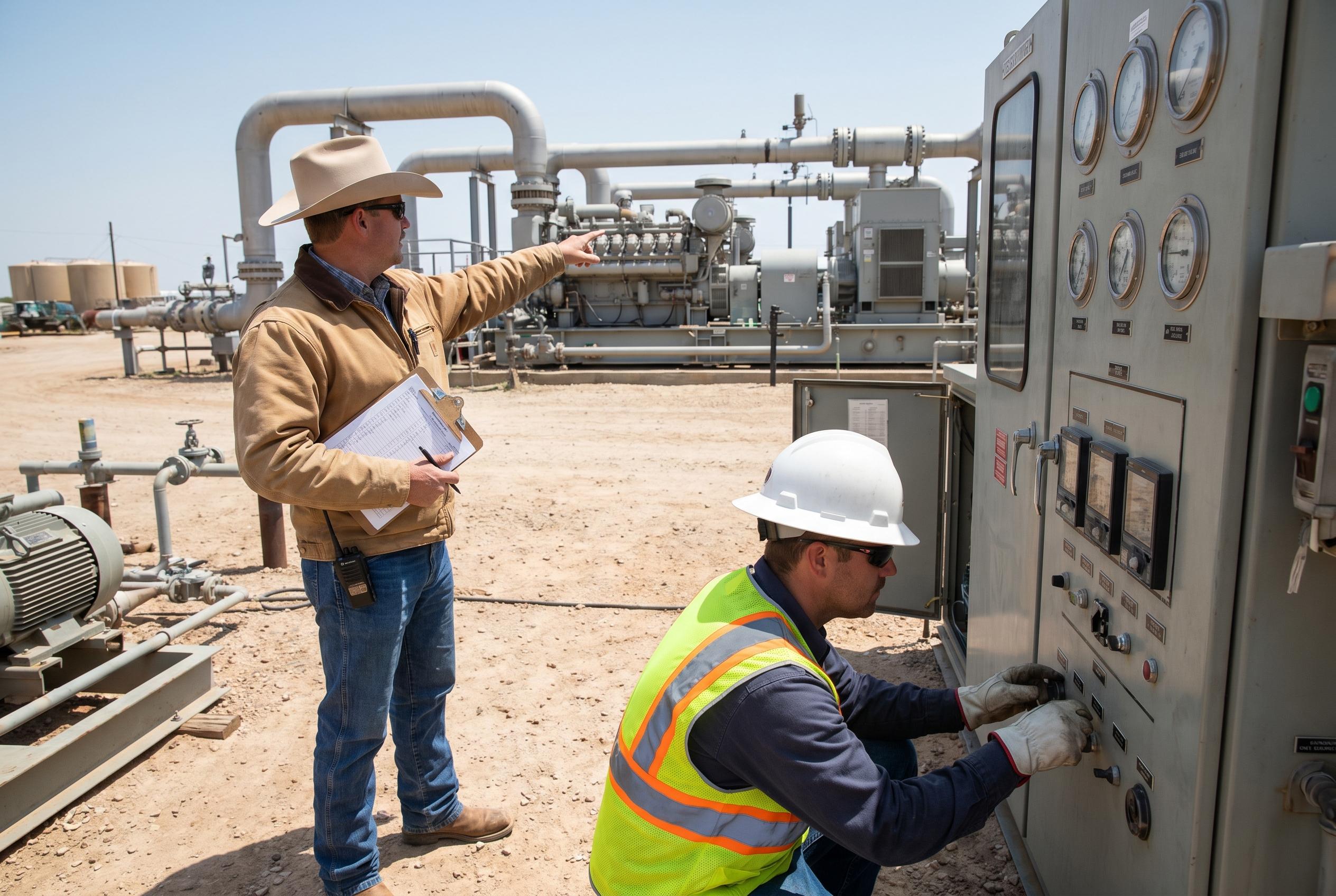
Shoppers and operators are turning to smarter compressor tech as regulators and customers push for lower emissions; Baker Hughes is rethinking turbomachinery design to cut fuel use and greenhouse gases without upending existing pipeline and plant infrastructure.
Essential Takeaways
- Built for emissions and performance: Next‑generation turbomachinery from Baker Hughes prioritises lower greenhouse gases alongside efficiency and reliability.
- Retrofit-friendly: New units and modular packages are designed to work with existing pipeline and processing systems, so upgrades needn't mean full replacements.
- Hydrogen‑ready path: Turbines and compressors can be configured to accept low‑carbon fuels, helping future‑proof assets.
- Digital monitoring matters: Continuous diagnostics and lifecycle upgrades are essential to keep emission benefits intact over decades.
- Real gains where it counts: Improved aerodynamics and flexible turndown behaviour reduce fuel consumption during start‑up and variable loads, where emissions spike.
Why compressors suddenly matter for emissions targets
Compression sits at the beating heart of any gas network, quietly using fuel every time gas moves from wellhead to user. That hum is easy to forget , until you add it up across hundreds of remote sites and decades of continuous operation, and suddenly small inefficiencies look like a meaningful emissions line item. Baker Hughes and others are pointing out that the leverage is real: make compression cleaner, and you shave system emissions without changing the whole energy mix.
Operators care because regulators and customers are asking for measurable reductions, and because these are areas where practical improvements can be deployed quickly. Expect more attention , and budget , to go into compressor tech over the next few years.
How new turbomachinery does more with less fuel
The technical answer starts with aerodynamics. Better blade shapes, refined rotors and tighter clearances all boost thermodynamic efficiency, which cuts the fuel a gas turbine consumes to drive compressors. Modular configurations and pre‑engineered packages help deliver those advances into the field faster, with less site disruption.
That matters in real operational terms: compressors often run at varying loads and face frequent start‑stops, conditions that typically drive emissions up. Machines engineered to maintain efficiency across a wide turndown range reduce those spikes, so emissions fall in the moments that used to be worst.
Retrofits: upgrade now, avoid wholesale replacements
One of the most persuasive parts of the pitch is compatibility. Switching to lower‑emission compression doesn’t have to mean ripping out the plant. Baker Hughes emphasises solutions that slot into existing systems , retrofits, uprates and modular add‑ons , so companies can improve emissions intensity without a full‑scale rebuild.
From a buyer’s perspective, that lowers cost and risk. When you evaluate an upgrade, ask about mechanical fit, control‑system integration and the expected downtime. Those details determine whether a retrofit is genuinely achievable in your operating window.
Digital services: the quiet enabler of long‑term gains
Designalone won’t lock in emissions reductions. Baker Hughes and peers are clear that continuous diagnostic tools, remote monitoring and performance upgrades keep machines working as intended for decades. Digital health checks spot creeping inefficiencies, trigger maintenance only when needed and verify emissions performance.
Practical tip: insist on clear lifecycle KPIs in any procurement , expected emissions per unit of gas moved, and how those numbers will be validated and maintained over time.
Preparing for hydrogen and other low‑carbon fuels
The future conversation is about fuels as well as efficiency. Hydrogen‑capable turbines and multi‑fuel pathways let operators plan for a transition rather than a one‑off conversion. Baker Hughes has been developing hydrogen‑ready technology and highlighting projects that demonstrate these pathways.
That flexibility turns turbomachinery into an asset that can adapt as policy and fuel economics evolve. It’s not a ticket to immediate decarbonisation on its own, but it reduces the cost and disruption of later shifts.
What buyers should watch for when choosing upgrades
Look beyond advertised efficiency numbers. Check compatibility with your control systems, the expected behaviour at low load, and how the vendor supports lifecycle monitoring. Evaluate modularity and delivery time so upgrades actually happen, not just sit on a wish list. And if hydrogen is on your road‑map, make sure the machine’s fuel flexibility is genuinely proven, not just an optional line on a brochure.
Think of it as risk management: smaller capital steps now, with future options preserved, often beat big, irreversible bets.
It's a small change that can make every compression run a little cleaner and keep infrastructure useful as fuels and policy shift.
Source Reference Map
Story idea inspired by: [1]
Sources by paragraph: