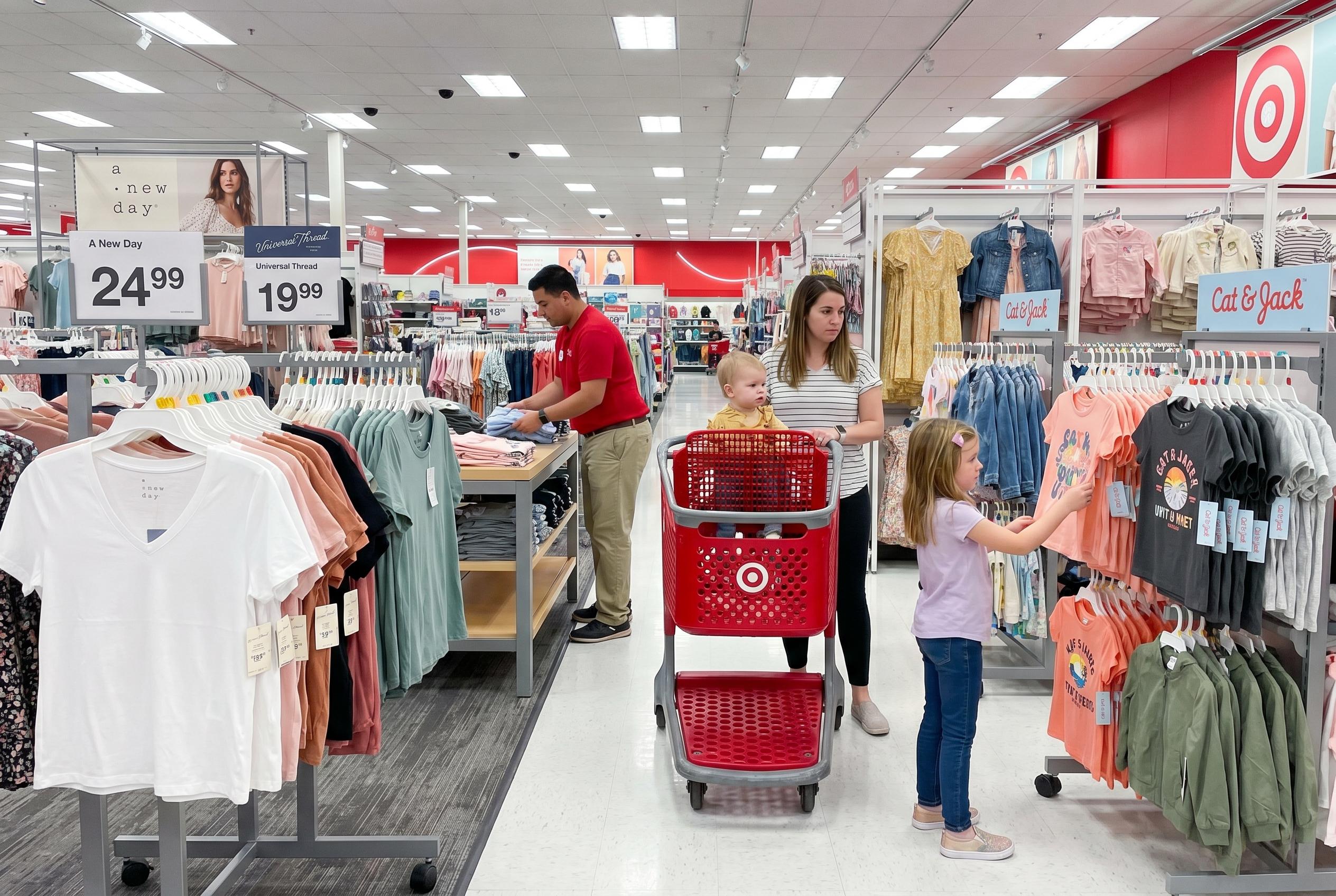
Shoppers are seeing fashion land faster than ever as retailers lean on AI trend prediction , from social feeds to runway snaps , to design, buy and ship collections in weeks instead of months, and that speed matters for margins, style credibility and keeping shelves fresh.
Essential Takeaways
- Speed wins: AI-driven tools compress design-to-shelf cycles from months to weeks, helping retailers react to fast-moving microtrends.
- Data mix matters: The best systems blend social listening, runway imagery and real-time sales data for richer predictions.
- Human touch remains: Designers still validate and contextualise AI findings by immersing in trends , boots-on-the-ground research matters.
- Smarter buying: Early signals let buyers scale winners and cut losses quickly, reducing markdowns and waste.
- Tool examples: Market players range from specialised fashion-AI startups to broader media-analytics platforms with varying scopes and costs.
Why retailers are racing to adopt Trend Brain–style tools now
AI doesn’t just crunch numbers; it spots the tiny shifts people make online and translates them into product ideas with a crisp, visual feel. Retailers such as Target have introduced tools that pull from social media, catwalks and sales to make early calls on silhouettes and prints, and that means decisions happen before a trend becomes mainstream. The result is collections that feel timely and relevant, and shoppers notice the difference in quick-turn categories like swimwear and seasonal jackets.
What these fashion-AI systems actually look for
Platforms aggregate signals , Instagram and TikTok traction, runway image motifs, search spikes and purchase velocity , then surface patterns: a recurring print, a rising neckline, or a colour family gaining steam. Some services go further and analyse image pixels to isolate silhouettes and textures, while others track influencers and microcommunities. That sensory depth gives designers a textured hunch rather than a bland chart, so the output smells like a real trend, not a spreadsheet.
From insight to hanger: where AI speeds product development
AI flags early winners, designers iterate quickly, and small-batch manufacturing lets merchants test fast. Target’s approach shows how the loop works: a tool points to a polka-dot pick, buying teams double down, and underperformers get cut sooner. This lean cycle reduces overstock and keeps assortments fresh. If you’re a retailer choosing a system, prioritise integrations with PLM and buying tools so predictions translate into action without friction.
Why people , not robots , still shape the story
Even with Trend Brain’s speed, design teams don’t become passive. Retailers send designers to rodeos or market towns, literally getting “dust on their boots” to understand the mood and nuance AI can’t read. That human immersion preserves brand voice and prevents homogenous copying. In practice, AI is a bright flashlight, not the whole map: use it to illuminate opportunities, then let human judgement add texture and context.
How to pick an AI trend tool that fits your business
Consider scope (images vs social vs sales), granularity (global trends or regional microtrends), and workflow fit (does it plug into buying and manufacturing?). Smaller brands may prefer affordable visual-intelligence services; larger retailers often need full-suite platforms that scale and integrate. Also weigh transparency , can the tool explain why it ranked a trend , and trial with a single category first to measure lift before a broader rollout.
It's a small shift with big consequences: faster design cycles, smarter buys, and a better shot at staying on-trend without guesswork.
Source Reference Map
Story idea inspired by: [1]
Sources by paragraph: