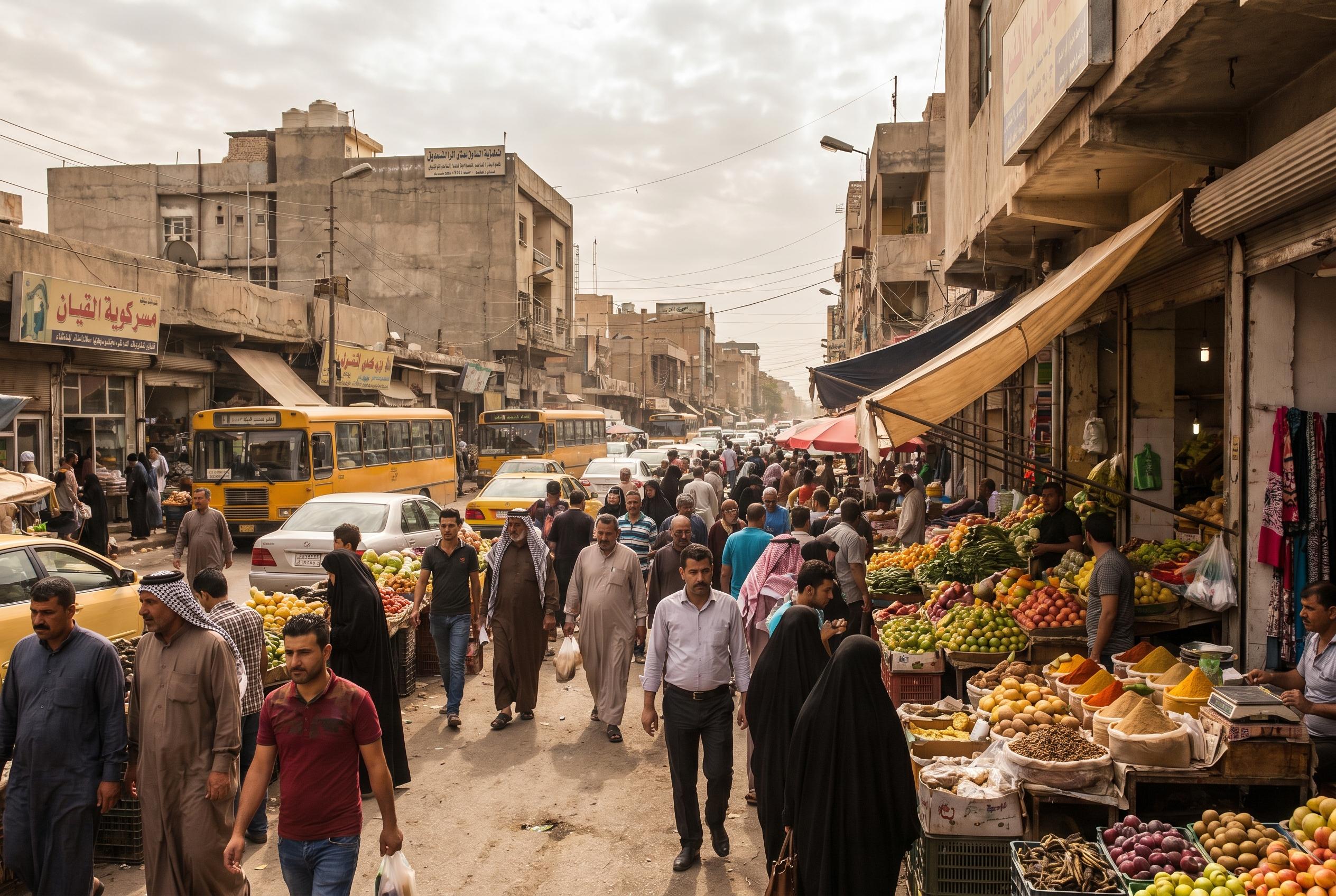
While signs of renewed economic and diplomatic activity in Iraq emerge, analysts highlight a long-term, cautious push towards diversification and stability amid continued reliance on oil and external influences.
Signs of renewed movement in Iraq’s economic and diplomatic posture are drawing attention, but the deeper story is less about sudden transformation than about a long, uneven effort to stabilise a country still heavily shaped by oil, state spending and external financial ties. The Instagram-style post by Stephanie Starr frames the moment as a broader geopolitical reset, but official and analytical sources suggest a more cautious picture: Iraq has been trying to modernise its banking system, improve its investment climate and widen its international economic links while remaining exposed to oil-price swings and fiscal strain.
In its May 2025 Article IV consultation, the International Monetary Fund said Iraq’s large oil resources continue to underpin the economy, while also warning that the country needs fiscal reform, better governance and a more diversified private sector. The IMF noted progress in banking-sector modernisation and in efforts by the Central Bank of Iraq to build stronger links with foreign banks, steps that are meant to support trade, confidence and investment rather than signal any abrupt monetary breakthrough.
A 2026 assessment from the Bertelsmann Transformation Index pointed to the continued peg of the Iraqi dinar to the US dollar and said authorities have been adjusting to narrow exchange-rate gaps. It also described government finances as having benefited from higher oil prices, even as dependence on crude leaves the budget vulnerable. The same report argued that long-term stability will depend on reforms that strengthen the private sector and reduce the economy’s reliance on hydrocarbons.
There are, however, clear reasons why Iraq is attracting renewed commercial interest. In August 2025, Iraq’s government said it had deepened economic cooperation with US companies including Halliburton and Chevron, with talks focused on oilfield development and gas capture. That fits a wider pattern described in a January 2026 analysis of Iraq’s development roadmap, which said the country is pursuing infrastructure upgrades, regulatory alignment and banking reform, including work linked to digital payments, to reconnect more fully with global trade. At the same time, another February 2026 commentary warned that Iraq’s oil revenues remain tied up in accounts at the US Federal Reserve, underscoring the extent to which financial sovereignty is still constrained by the international system it seeks to navigate.
Source Reference Map
Inspired by headline at: [1]
Sources by paragraph:
Source: Noah Wire Services
Noah Fact Check Pro
The draft above was created using the information available at the time the story first
emerged. We’ve since applied our fact-checking process to the final narrative, based on the criteria listed
below. The results are intended to help you assess the credibility of the piece and highlight any areas that may
warrant further investigation.
Freshness check
Score:
3
Notes:
The article was published on 1 May 2026. The content appears to be original, with no evidence of prior publication. However, the source, Dinar Chronicles, is known for aggregating and republishing content from other sources, which raises concerns about originality. Additionally, the article heavily relies on a social media post by Stephanie Starr, which may not be independently verifiable. The lack of direct links to primary sources further diminishes the freshness score.
Quotes check
Score:
2
Notes:
The article includes a direct quote from Stephanie Starr's social media post. However, this quote cannot be independently verified through other reputable sources. The absence of corroborating evidence raises concerns about the authenticity and accuracy of the quote.
Source reliability
Score:
2
Notes:
Dinar Chronicles is a niche publication known for aggregating content from various sources, often without original reporting. The reliance on a single, unverified social media post from Stephanie Starr further undermines the reliability of the source. The lack of citations to reputable news organizations or official statements is a significant concern.
Plausibility check
Score:
4
Notes:
The article discusses Iraq's economic and diplomatic efforts, referencing reports from the International Monetary Fund (IMF) and the Bertelsmann Transformation Index. However, the article's reliance on a single, unverified social media post and the absence of corroborating evidence from reputable news organizations raise questions about the accuracy and completeness of the information presented.
Overall assessment
Verdict (FAIL, OPEN, PASS): FAIL
Confidence (LOW, MEDIUM, HIGH): HIGH
Summary:
The article fails to meet verification standards due to its reliance on a single, unverified social media post from Stephanie Starr and a niche publication known for aggregating content without original reporting. The lack of independent verification from reputable news organizations or official statements raises significant concerns about the accuracy and reliability of the information presented.