Climate & Resource Copy RSS link Link copied to clipboard!

Apple Amazon lead 60 firms to ease global carbon reporting rules

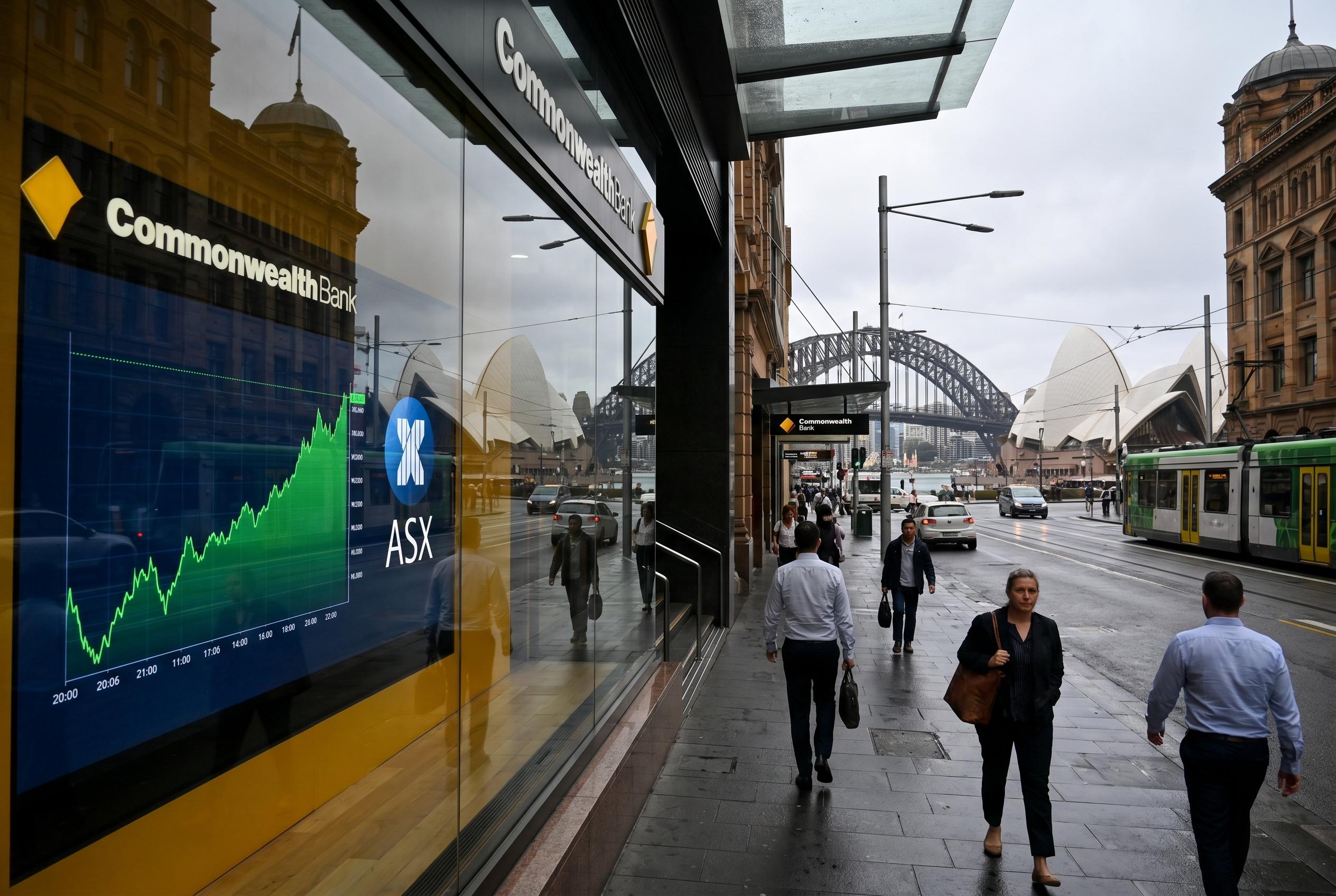
Over 60 global companies, including Apple, Amazon, BYD, Salesforce, Mars, and Schneider Electric, oppose proposed mandatory changes to the Greenhouse Gas Protocol regarding Scope 2 emissions. The group urges the protocol to keep new real-time matching requirements optional, arguing that mandatory rules could increase costs, limit renewable energy access in regions lacking supply, and slow clean energy investment. While stricter rules aim to improve accuracy, the companies warn they may hinder scalability and participation in voluntary markets. This debate occurs as climate disclosure regulations tighten globally across the EU, US, UK, and Asia.

Study finds upstream climate risk reduces corporate ESG performance

Research analysing Chinese A-share listed firms from 2011 to 2023 reveals that increased upstream climate physical risk significantly impairs downstream Environmental, Social, and Governance (ESG) performance. The study constructs a Supplier Climate Physical Risk index and finds a one-standard-deviation increase in upstream risk leads to a 4.7% standard deviation decrease in ESG scores. Mechanisms include stifled green innovation, reduced CSR investment, and managerial myopia. State-owned enterprises and firms with diversified suppliers show mitigation. The findings highlight the critical need to address supplier vulnerability to safeguard long-term sustainability goals.

India meets record 256.1 GW power demand during April heatwave without grid failure

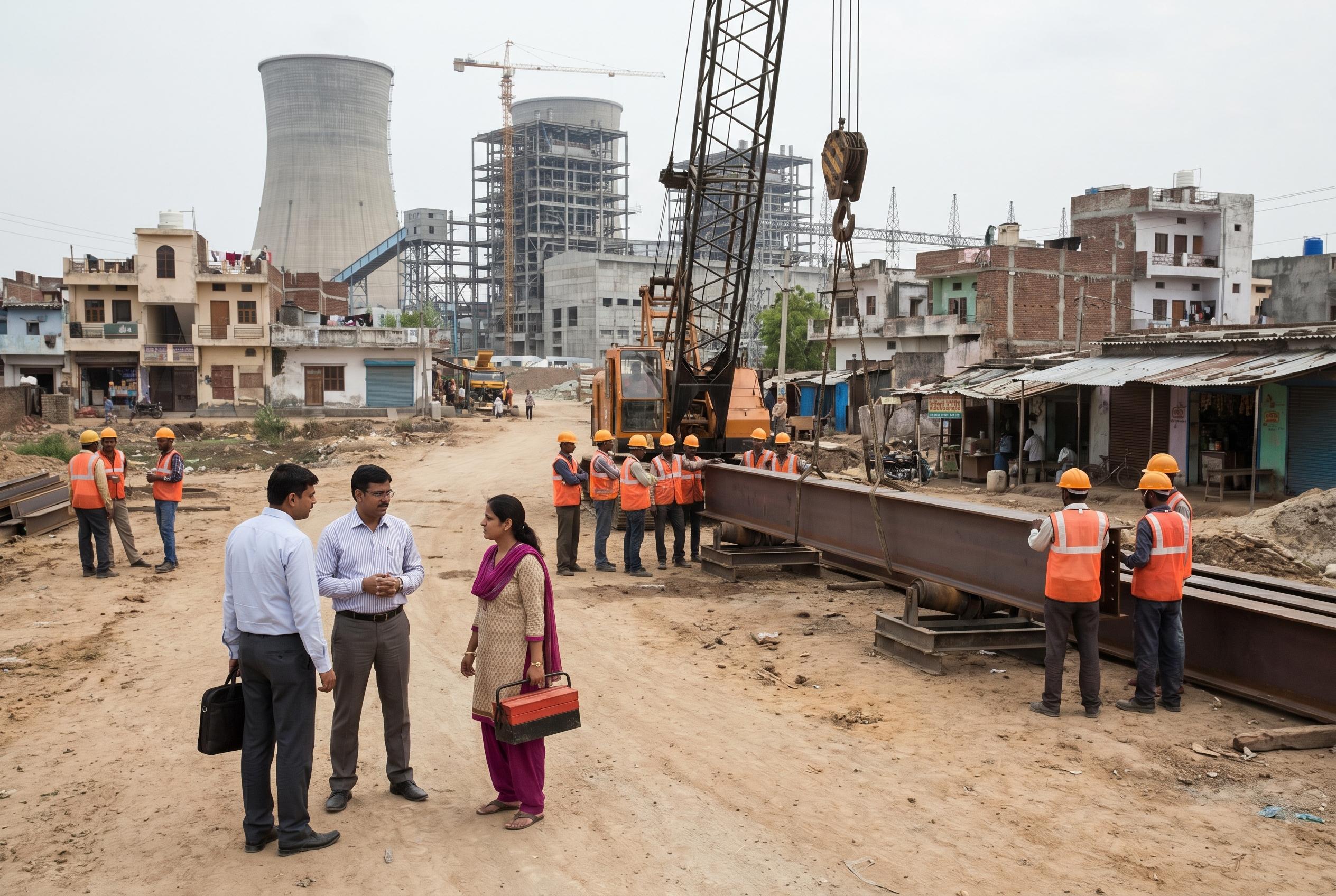
India's electricity grid successfully met a historic peak demand of 256.1 GW on April 25, 2026, driven by severe heatwaves across the country. Despite unprecedented strain, the nation avoided shortages, grid stress events, and major transmission bottlenecks. Supply was diversified, with coal contributing approximately 187 GW and solar providing nearly 57 GW at the peak. The National Thermal Power Corporation (NTPC) and Grid-India coordinated operations to maintain stability. While the achievement demonstrates grid resilience, officials warn that upcoming months may face even greater challenges due to forecasted continued heat and below-average monsoon rains.

PJM capacity costs surge 285% to $10.39 billion amid AI-driven demand

PJM Interconnection reported a 285% year-over-year increase in capacity costs, rising from $2.69 billion in 2024 to $10.39 billion in 2025. Total market settlements increased 56% to $80.5 billion, driven by surging demand from AI data centers and hyperscalers colliding with insufficient supply. Energy costs jumped 57% and congestion costs rose 78%. The report highlights chronic interconnection backlogs and permitting delays as primary constraints. Experts urge immediate regulatory reforms to accelerate supply and resolve bottlenecks to prevent persistent grid instability and higher utility bills.

Australia's energy grid faces critical delays and social licence risks

Six Australian energy leaders warn that transmission delays, connection bottlenecks, and lack of social licence threaten the nation's energy transition. Delays could cost the National Electricity Market up to $40 billion annually. While transmission projects like EnergyConnect are underway, experts highlight distribution network readiness and consumer energy resource coordination as overlooked risks. Consensus calls for better regulatory settings, anticipatory investment, and integrated system planning to prevent the grid from becoming the transition's primary bottleneck.

NYISO warns extended heat wave could cripple New York power grid this summer

The New York Independent System Operator (NYISO) reports that New York's electric grid faces its lowest reliability margins in recent history this summer, with only 417 MW available under baseline conditions. An extended heat wave of three days or more, with temperatures around 95 degrees, could result in a capacity deficit of -1,679 MW, increasing to -3,370 MW at 98 degrees, potentially leading to blackouts. This critical situation stems from extreme weather, an aging generation fleet, and a lack of new dispatchable resources. NYISO can implement emergency measures like purchasing energy or voluntary curtailment to mitigate shortfalls, but the overall margin for error is extremely narrow.

New York braces for blackouts amid stressed grid and hot summer

New York State faces a heightened risk of blackouts this summer due to a critically low power margin, the slimmest in over a decade. The New York Independent System Operator (NYISO) reports only 417 megawatts of reserve capacity, driven by the retirement of nuclear and coal plants and rising demand from electrification and data centers. While emergency measures from neighboring states exist, officials warn of potential controlled outages if peak demand exceeds supply during predicted heat waves.

India grid resilience critical amid intermittent renewables and rising demand

India's power sector faces challenges as electricity demand rises at 9% annually while nearly half of installed capacity comes from intermittent non-fossil sources. Mismatches between generation patterns and consumption peaks, combined with climate uncertainty and infrastructure constraints, threaten grid stability. With solar curtailment reaching 2.3 TWh in 2025 and transformer failure rates near 10%, the grid must evolve from a passive network to an active balancing system. Success depends on integrating flexibility, energy storage, and demand-side solutions to ensure reliability and support the energy transition.

India heatwave exposes fragile power grid as energy crunch deepens

India faces severe power shortages and blackouts as extreme heatwaves strain the electricity grid ahead of the monsoon. High temperatures, exacerbated by the war in the Persian Gulf which cut off vital LNG imports, have pushed demand to unprecedented levels. Nighttime deficits reach 5.4 gigawatts due to a lack of solar generation and maintenance shutdowns of coal and nuclear plants. Overloaded equipment and infrastructure failures are causing frequent outages, prompting protests and complaints from residents and opposition parties.

Previous