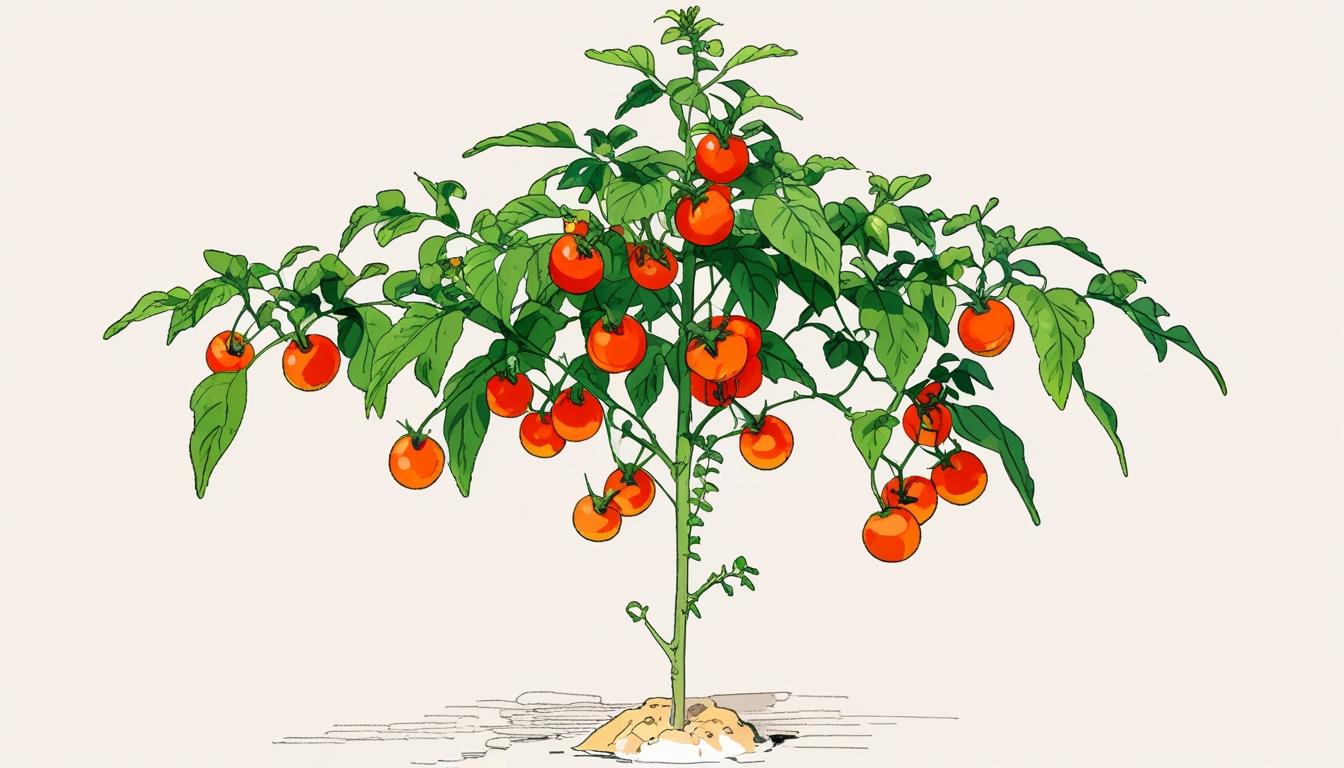
Parliament is poised to enact new legislation that could significantly extend the freshness of fruits and vegetables available to consumers, with gene-edited foods expected to appear on supermarket shelves as soon as next year. The bill has already successfully navigated through the House of Commons and is set for its final reading in the House of Lords on Tuesday.
The legislation aims to provide British consumers with access to food modified to enhance longevity while simultaneously contributing to a healthier diet with reduced environmental impacts. Daniel Zeichner, the Minister for Food Security and Rural Affairs, highlighted the potential of precision breeding technology, stating, “Precision breeding is a real chance to transform how we grow crops here in England.”
Zeichner further emphasised the significance of the legislation by noting its potential to create more nutritious food products that can withstand changing climatic conditions and resist diseases naturally. He remarked, “This is essential for our farmers to thrive and for our nation's food security. That's exactly why this legislation matters.” Citing ongoing research trials, he pointed to innovations like tomatoes enriched with high levels of vitamin D and sugar beets that depend less on pesticides.
Notably, UK crop-growing industries are already aligning their development efforts with the forthcoming regulations, with support from the Department of Environment, Food and Rural Affairs (Defra). The John Innes Centre, a research institute in Norwich, has introduced a high-vitamin D tomato cultivated through precision breeding. Another Norwich-based firm, Tropic, has created both a non-browning banana and a variety resistant to Panama disease, innovations that could significantly mitigate food waste.
Additional enhancements are expected in crops such as virus-resistant sugar beets, which could decrease reliance on neonicotinoid pesticides and address yield losses that previously cost the sector approximately £67 million in 2020.
Zeichner expressed optimism about the rapid advancements in agricultural innovation, stating, “It's really exciting that innovations that once took decades could now reach our fields and ultimately our plates in just a few years, and delivering on our promise of sustainable economic growth.” He noted that these developments not only benefit farming communities but also position the UK’s science and research sector at the forefront of emerging agricultural technologies.
The Genetic Technology (Precision Breeding) Act, which became law in March 2023, establishes a regulatory framework for plants and animals developed through precision breeding methods. This approach allows for specific genetic changes akin to traditional breeding but achieved in a more efficient and targeted manner. It is important to highlight that this regulation differentiates precision breeding from genetic modification (GM), wherein the changes made could not occur naturally through conventional breeding techniques.
Source: Noah Wire Services