Tech Intelligence Copy RSS link Link copied to clipboard!
York Space Systems acquires All.Space for $355 million to integrate satellite communications
York Space Systems announced on April 30 its acquisition of UK-based satellite communications terminal maker All.Space for approximately $355 million. The deal, structured as $155 million in cash plus up to 5.9 million shares, is expected to close in the third quarter. This marks York's second acquisition since going public, aiming to create a vertically integrated business spanning spacecraft, ground stations, and user terminals. The acquisition targets the Pentagon's demand for resilient, single-vendor solutions in contested environments.
Northrop Grumman delivers sensor for missile-warning satellite as Pentagon cancels program
Northrop Grumman received a sensor for the Next-Gen OPIR Polar satellite program on April 30, days before the Pentagon proposed cancelling the initiative in its fiscal year 2027 budget. The Space Force intends to terminate the polar component, citing a strategic shift toward distributed constellations in lower orbits rather than large bespoke satellites. The program, projected to cost $3.4 billion with $2.1 billion already spent, faces potential legal challenges from Congress which has prohibited funding cuts for the program in the 2026 appropriations bill.
Bentley Systems secures FedRAMP Moderate authorisation for ProjectWise and OpenGround
Bentley Systems announced that its ProjectWise and OpenGround platforms have achieved FedRAMP Authorisation at the Moderate Impact Level. Sponsored by the U.S. Army Corps of Engineers, this approval enables wider adoption by U.S. federal agencies for secure cloud collaboration and geotechnical intelligence. The milestone addresses the need for robust digital tools to manage ageing infrastructure under the Bipartisan Infrastructure Law and Inflation Reduction Act, reducing procurement friction and supporting faster deployment across transport, defence, and water sectors.
Huawei AI accelerator sales in China to rise 60% this year
Huawei is projected to increase revenue from AI accelerator sales in China by at least 60% this year, potentially reaching $12 billion. This growth is driven by government efforts to promote domestic technology substitution and large orders for the Ascend 950PR family. While Nvidia faces export restrictions in China, Huawei aims to dominate the local market, with Morgan Stanley forecasting Chinese players will control 86% of the AI chip market by 2030.
US lawmakers probe Chinese AI firms over exploitation and security risks
US House Select Committee on China and House Committee on Homeland Security have launched a joint investigation into national security and cybersecurity threats posed by Chinese-developed artificial intelligence models. The inquiry focuses on firms such as DeepSeek, Alibaba, Moonshot AI, and MiniMax, specifically regarding their use by American companies like Airbnb and Anysphere. Lawmakers cite concerns over data exposure, hidden vulnerabilities, and the potential for Chinese firms to share collected data with the Chinese government. The investigation also addresses allegations of unauthorised model distillation and intellectual property violations by Chinese entities against US technology.
US Marine Corps unveils GCE 2040 blueprint integrating AI and autonomous systems
The US Marine Corps announced the 'Ground Combat Element 2040' (GCE 2040) concept at the Modern Day Marine Expo in Washington. The plan integrates AI, drones, and autonomous systems into combat units, designating them as 'battlefield teammates'. Key changes include decentralising air defence capabilities to the squad level to counter low-cost drones and establishing a distributed AI sensor network. The strategy aims to enhance decision speed and operational efficiency in high-intensity conflicts, particularly in the Indo-Pacific region, while maintaining human-centric command decisions.
Samsung plans AI glasses expansion amid global memory shortage
Samsung Electronics announced plans to expand its wearable device portfolio to include AI glasses during its first-quarter 2026 earnings call. The company warned that a deepening global memory shortage, driven by AI data centre build-outs, will intensify through 2027, raising costs for consumer electronics. While Samsung reported record quarterly operating profits, the memory squeeze poses inflation risks for downstream manufacturers and could impact profitability in its mobile and display divisions due to higher component costs.
Air Force Special Warfare tests kinetic drone interceptor in counter-UAS exercise
Air Force Special Warfare Airmen conducted a counter-small unmanned aircraft system proof-of-concept event on April 7 at the Arizona Army National Guard Florence Military Reservation. The exercise evaluated the Guardian-1 Interceptor from Powerus, a kinetic counter-drone system designed to engage small UAS targets. Airmen under the Air Force Repair Enhancement Program built target aircraft for the event. The Arizona Army National Guard and the Southwest Mission Acceleration Center participated as partners. Powerus plans to scale production of the Guardian-1 units.
Marvell Technology reports Google co-development talks for custom AI chips
Marvell Technology is in talks with Alphabet to co-develop custom AI chips, including a memory processing unit and a next-generation Tensor Processing Unit. The company has secured 18 design wins with hyperscalers, including Microsoft and Amazon. Marvell recently acquired Celestial AI for $3.25 billion to integrate photonic interconnect technology. Revenue grew 42% in fiscal 2026 to $8.2 billion, with projections of $15 billion by fiscal 2028. The stock rose over 13% following the news.


North Korea accounts for 76% of 2026 crypto hack losses
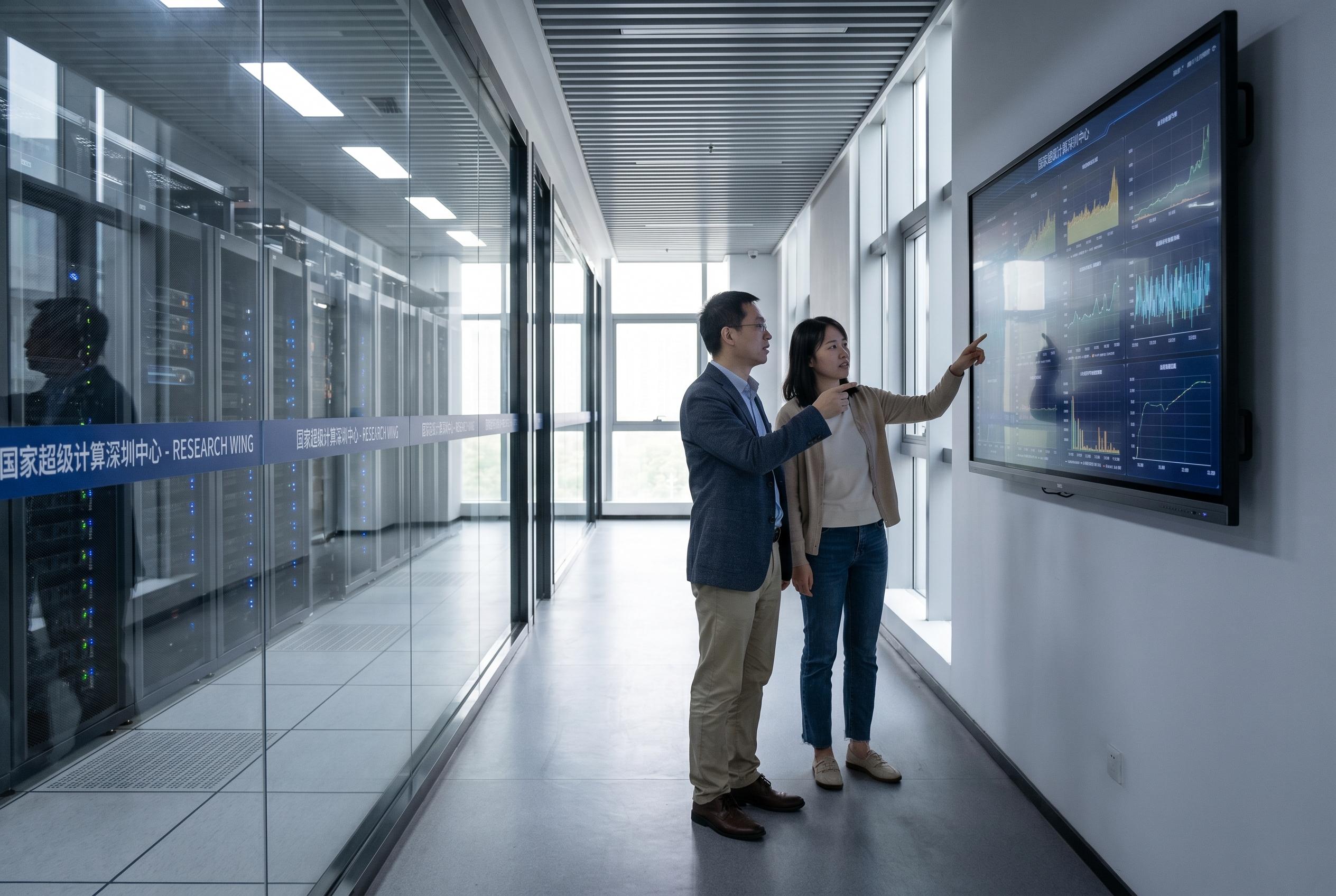
A new report from TRM Labs indicates North Korean hacking groups were responsible for 76% of cryptocurrency attack losses in 2026. Two specific incidents, the Drift Protocol breach and the KelpDAO bridge exploit, accounted for $577 million in total losses. The attacks utilized AI tools and social engineering to target DeFi protocols with single points of failure. Compliance teams are advised to monitor THORChain flows and implement multi-hop monitoring to detect fund movements.


Fragmented architecture causes European firms to fail GDPR audits
European businesses face cumulative GDPR penalties exceeding €7.1 billion since 2018, with 2025 fines surpassing €1.2 billion. Data protection authorities receive 443 breach notifications daily. The primary cause of audit failures is identified as fragmented IT architecture, where disconnected systems prevent end-to-end audit trails and rapid breach reconstruction. Regulators require comprehensive governance and unified logging to mitigate fines under GDPR and upcoming frameworks like the EU AI Act and DORA.

Mitsubishi Electric advances talks with Raytheon on AIM-120 AMRAAM co-production
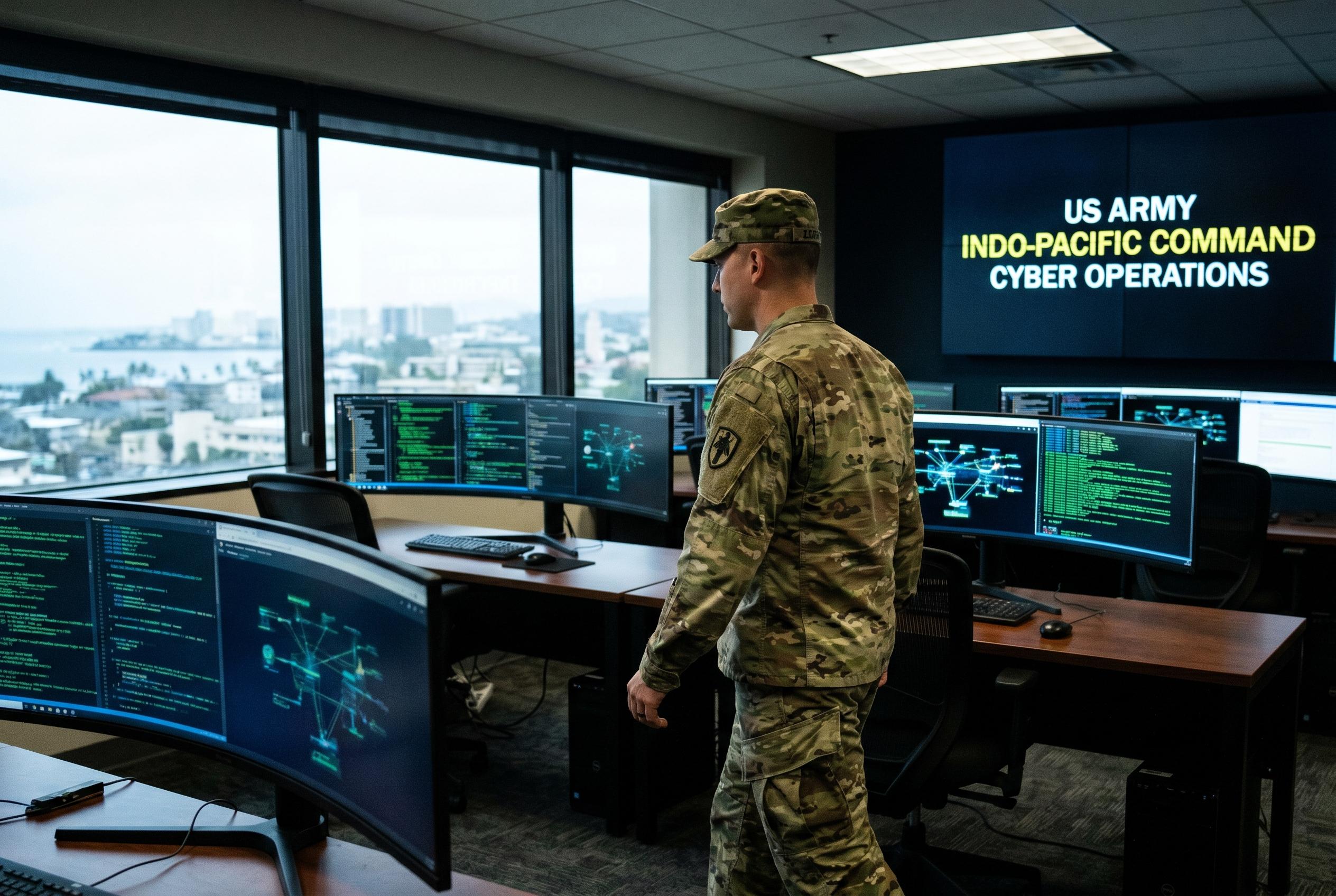
Mitsubishi Electric Corporation has confirmed it will enter detailed negotiations with RTX's Raytheon business to establish a framework for Japanese co-production of the AIM-120 Advanced Medium-Range Air-to-Air Missile. Following the fourth session of the Japan-US Defense Industrial Cooperation Consultations, Mitsubishi Electric will initially focus on producing circuit card assemblies, with potential future expansion to final assembly activities in Japan. This collaboration aims to strengthen the Japan-US defence industrial base and meet rising demand for the missile amid regional security challenges.
Lockheed Martin to deliver training devices and services for E-130J Phoenix II aircraft
Lockheed Martin will provide training devices and services for the E-130J Phoenix II aircraft as part of Northrop Grumman's industry team supporting the U.S. Navy's TACAMO mission. The E-130J Phoenix II, built on the C-130J-30 Super Hercules airframe, serves as a resilient airborne communications platform. Lockheed Martin, the original equipment manufacturer of the C-130J, will supply high-fidelity simulations to enable Navy personnel to master the aircraft's advanced mission systems and communications capabilities prior to operational entry.