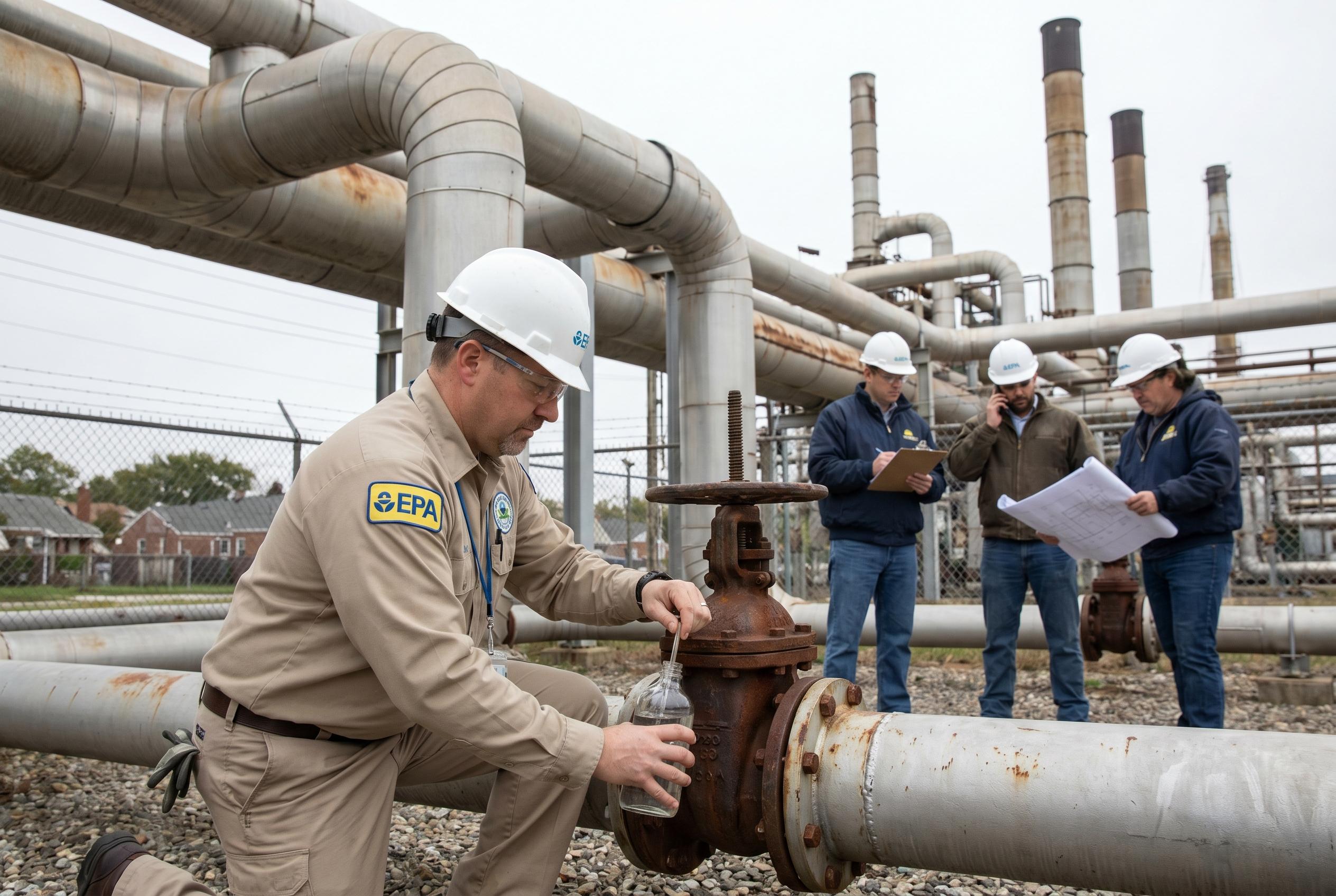
PFAS remain a conspicuous exception to the Trump administration's broader drive to loosen environmental oversight, with the US Environmental Protection Agency continuing to defend and, in some cases, advance Biden-era measures on the so-called forever chemicals, according to the materials provided. For businesses, that means the regulatory picture is not moving in one direction: some obligations are tightening, while others are being pushed back or delayed.
One of the most consequential developments is the EPA's work to add nine PFAS compounds to the hazardous constituents list under the Resource Conservation and Recovery Act. That would matter far beyond reporting: facilities that released the substances at solid waste management units could face investigation and cleanup orders under the agency's corrective action programme. The EPA has identified about 1,740 facilities that could be affected, underscoring the scale of the potential liability.
Water discharges are also in focus. The agency is moving toward requirements that would force industrial facilities to monitor and report PFAS in permit applications, the first such update since 1987, while a separate rule aimed at organic chemicals, plastics and synthetic fibre manufacturers would require data collection on PFAS in wastewater as a precursor to enforceable treatment limits. At the same time, EPA has finalised a toxic release reporting rule covering nine additional PFAS under the TRI programme, expanding public disclosure of releases and waste management activities.
In a more favourable development for industry, EPA has extended the reporting period under the Toxic Substances Control Act PFAS reporting rule. The agency said in April 2026 that the reporting window will begin 60 days after the effective date of a forthcoming revision to the rule, or on January 31, 2027, whichever comes first. EPA also says it is considering exemptions that could remove reporting obligations for more than 127,000 small businesses, while a separate EPA notice in May 2025 pushed the deadline for most manufacturers to October 13, 2026, and for small manufacturers that are only article importers to April 13, 2027.
That relief, however, is narrow. The extension affects historical disclosure only and does not alter the cleanup exposure tied to RCRA or the discharge-monitoring proposals under the Clean Water Act. Nor does it change the legal status of PFOA and PFOS, which EPA has designated as hazardous substances under Superfund and is defending in litigation in the D.C. Circuit. Separately, the agency has proposed trimming certain chemical accident prevention requirements to better align them with OSHA's process safety management standards, a move that could ease duplication for some facilities, though the rule remains unfinished and the comment period has been extended to May 11.
Source Reference Map
Inspired by headline at: [1]
Sources by paragraph:
Source: Noah Wire Services