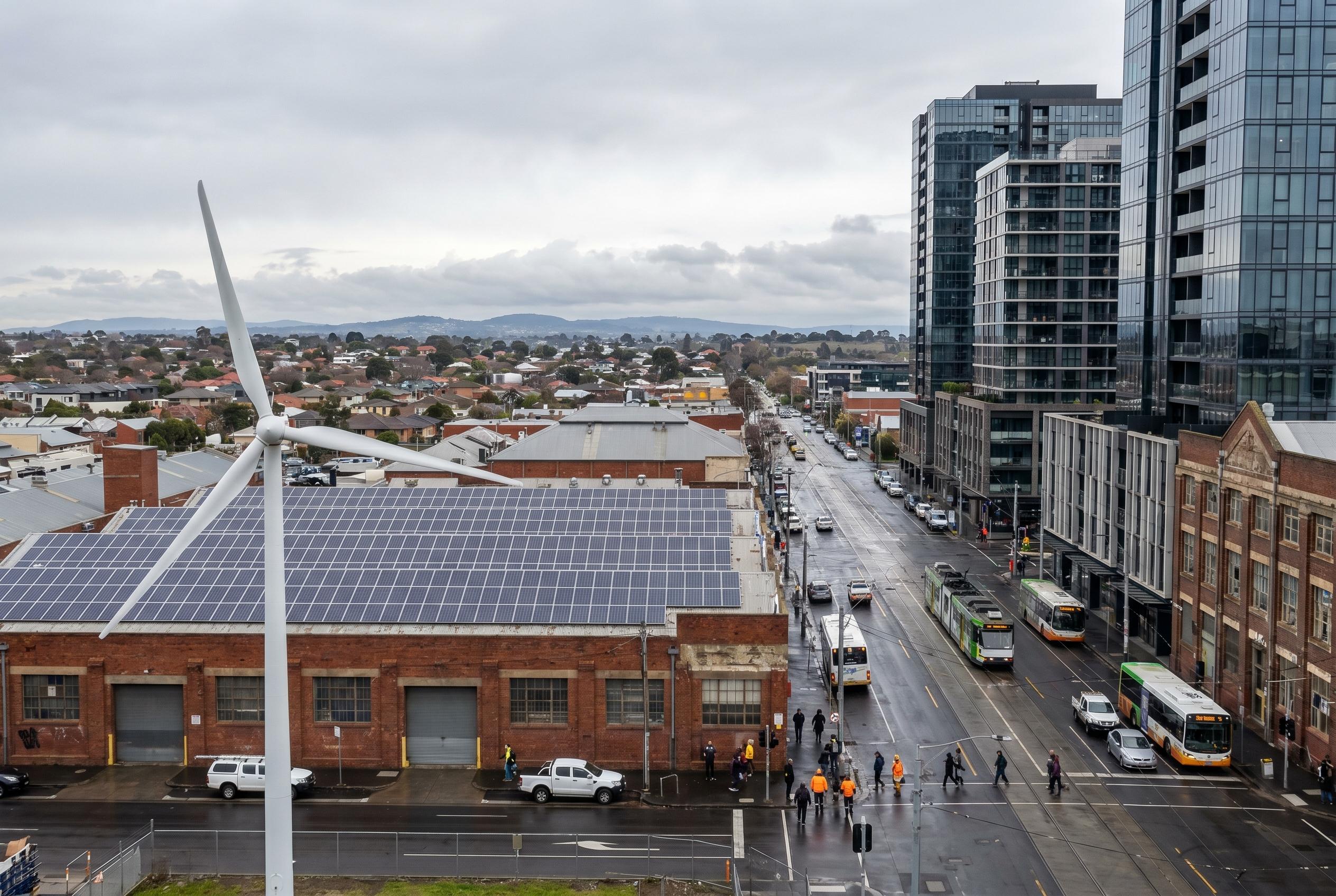
Australia’s sustainability debate is moving beyond adoption and into the harder questions of control, cost and accountability. In the latest ESG Snapshot from the Business Council for Sustainable Development Australia, the recurring theme is that electrification, data governance, approvals and nature markets are no longer fringe policy issues; they are becoming core business risks and investment decisions.
Electric vehicle charging is a good example. What began as a question of uptake is now being framed around infrastructure ownership, network charging and who ultimately pays. The week’s coverage also pointed to apartment charging as a missing piece in urban electrification, while broader discussion of road-user charging showed that pressure is building for a more durable funding model than EV-specific taxes. That shift matters because it moves the debate from consumer incentives to system design, and from private convenience to public cost recovery.
Power-system reliability is also changing in ways that are reshaping the transition narrative. AEMO data highlighted batteries taking a larger role at peak demand, reducing reliance on gas at precisely the times when the grid is most exposed. At the same time, Queensland’s clean-energy reset has emerged as a warning sign for investors, with policy changes raising fresh doubts about the pace and certainty of renewable and storage build-out. The policy environment in Australia is therefore becoming more fragmented even as demand for cleaner and more flexible power grows.
Regulation is tightening alongside that uncertainty. APRA has warned that AI adoption is advancing faster than governance and assurance practices, underlining the need for boards to treat artificial intelligence as a risk issue rather than simply an efficiency tool. On the environment side, the proposed Matters of National Environmental Significance standard and the broader EPBC reform agenda are expected to raise the bar on cumulative impacts, offsets and approval evidence. Biodiversity markets are also moving toward more formal rules, with consultation on a draft credit standard bringing integrity, permanence and quality into sharper focus.
Corporate strategy is being pulled in the same direction. Zenobē’s financing package for electric freight signals that heavy transport is edging from pilot phase to commercial test, while Tesla Semi production and wider truck electrification efforts are showing how quickly the economics of decarbonisation are becoming tied to capital discipline. Investor pressure is similarly shifting the language of sustainability from disclosure to execution, with companies increasingly judged on transition plans, supply-chain resilience and the practical delivery of emissions cuts. Even social issues are being recast as operational risks, as human rights, community opposition, DEI disclosure and trust in institutions feed directly into project delivery and licence to operate.
Source Reference Map
Inspired by headline at: [1]
Sources by paragraph:
- Paragraph 1: [2], [3]
- Paragraph 2: [2], [3]
- Paragraph 3: [2], [4]
- Paragraph 4: [2], [4], [5]
- Paragraph 5: [2], [3]
Source: Noah Wire Services