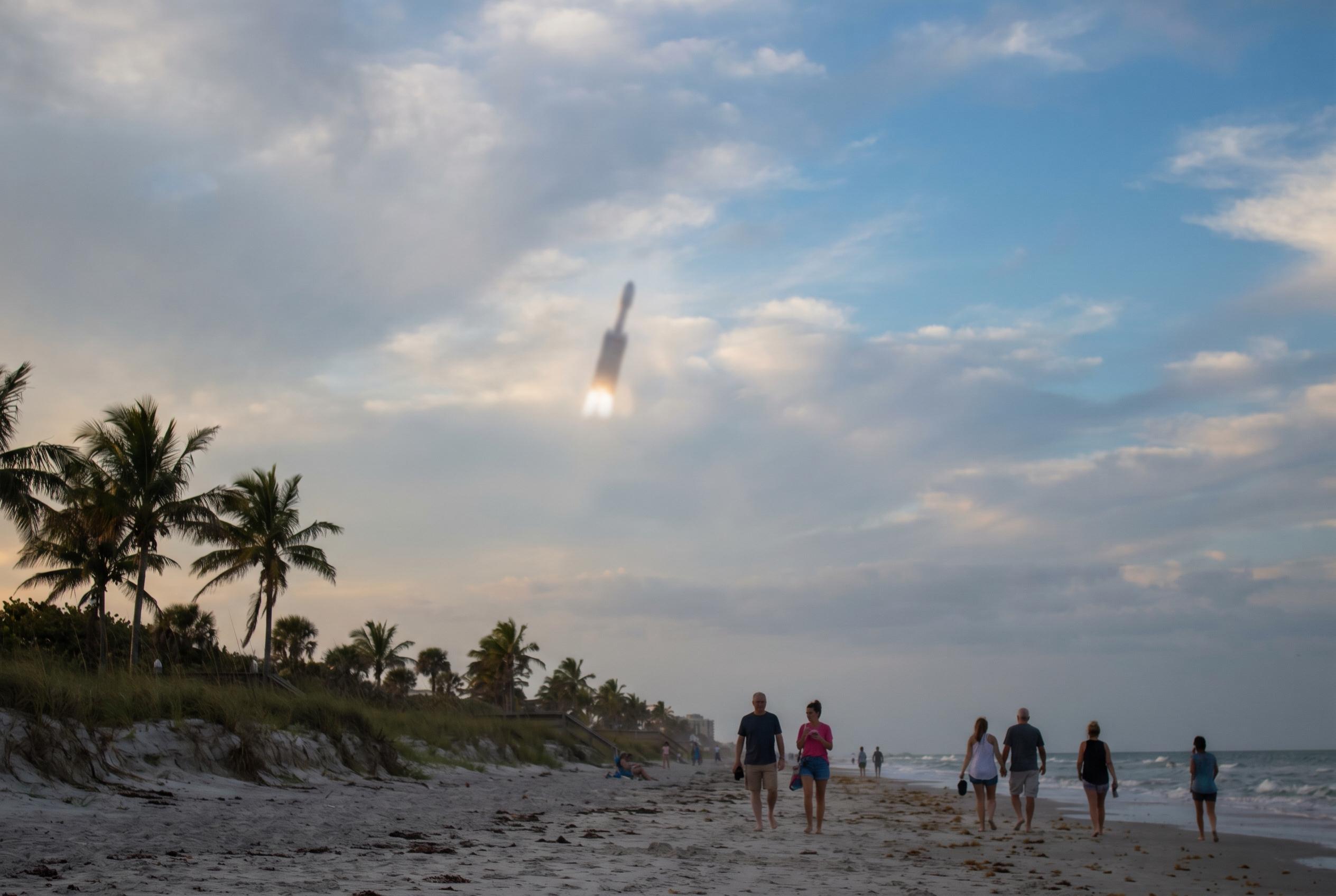
NASA positions its Artemis II mission as a foundation for future lunar and Mars explorations, amid schedule setbacks and political backing, signalling a shift towards sustained space exploration beyond the Moon.
NASA’s Artemis II mission is being cast inside the agency as a proving ground rather than a climax, with Administrator Jared Isaacman describing it as only the first step in a longer push towards the Moon, Mars and deeper space. In remarks carried by Bloomberg, Isaacman said the programme is intended to build a broader exploration architecture, with Artemis II serving as the opening act for what comes next.
That wider ambition comes as the agency tries to turn recent momentum into a workable flight pipeline. Artemis II, the first crewed lunar mission in more than half a century, sent Reid Wiseman, Victor Glover, Christina Koch and Jeremy Hansen around the Moon before returning to Earth on April 10. According to AP, the Orion capsule named Integrity has now returned to Kennedy Space Center for post-flight analysis, giving engineers a close look at the heat shield and internal systems before the next mission moves forward.
The challenge, though, is that the programme’s schedule has slipped. Space.com reported that Artemis III has been pushed to late 2027 and, for now, is expected to focus on docking demonstrations with lunar landers from SpaceX and Blue Origin rather than an immediate crewed landing. NASA is still aiming for astronauts to reach the lunar surface on later missions, with agency officials talking up a possible landing by the end of 2028 if development milestones hold.
Political pressure remains part of the picture. President Trump recently welcomed the Artemis II astronauts and Isaacman to the Oval Office, where he praised the crew and again spoke about the prospect of a moon landing before the end of his term. The event underlined the symbolic value of Artemis II, but also the gap between celebratory milestones and the far harder work of turning NASA’s lunar return into a sustained campaign.
Source Reference Map
Inspired by headline at: [1]
Sources by paragraph:
- Paragraph 1: [2]
- Paragraph 2: [5]
- Paragraph 3: [4]
- Paragraph 4: [3]
Source: Noah Wire Services
Noah Fact Check Pro
The draft above was created using the information available at the time the story first
emerged. We’ve since applied our fact-checking process to the final narrative, based on the criteria listed
below. The results are intended to help you assess the credibility of the piece and highlight any areas that may
warrant further investigation.
Freshness check
Score:
10
Notes:
The article is dated May 1, 2026, and references events up to April 29, 2026, indicating recent and original content. No evidence of recycled news or republished material was found.
Quotes check
Score:
8
Notes:
The article includes direct quotes attributed to NASA Administrator Jared Isaacman. While the quotes are consistent with his public statements, no independent verification of these specific quotes was found. The absence of online matches for these quotes raises concerns about their verifiability.
Source reliability
Score:
9
Notes:
The article originates from Bloomberg, a reputable major news organisation. However, the reliance on a single source for the quotes and some information introduces potential bias and limits the diversity of perspectives.
Plausibility check
Score:
9
Notes:
The article's claims align with known facts about the Artemis II mission and subsequent events. However, the lack of independent verification for some statements, particularly the direct quotes, introduces a degree of uncertainty.
Overall assessment
Verdict (FAIL, OPEN, PASS): PASS
Confidence (LOW, MEDIUM, HIGH): MEDIUM
Summary:
While the article presents recent and plausible information consistent with known facts about the Artemis II mission, the reliance on a single source for direct quotes and limited independent verification introduces uncertainties. The absence of independently verifiable quotes and the heavy reliance on Bloomberg's reporting suggest a need for cautious interpretation. Editors should consider seeking additional sources to confirm the direct quotes and ensure a more balanced perspective.