Air Liquide’s latest trading update suggests hydrogen is moving from long-term promise to immediate business reality. In the first quarter of 2026, the French industrial gases group reported revenue of €6,786 million, up 3.4% on a comparable basis, with the Americas delivering particularly strong growth as demand from customers tied to its air gases and hydrogen pipeline networks in the United States remained robust, according to the company.
That momentum reflects a wider shift in how governments and industry are approaching energy security. Across Europe, the Middle East and Asia, Air Liquide says it is seeing more requests for hydrogen projects, as buyers look for alternatives that can support industrial output while reducing exposure to volatile fossil fuel markets. The company has argued for years that hydrogen can do more than cut emissions: it can also help balance power systems, back up renewable generation and supply sectors that are difficult to electrify.
Air Liquide is trying to position itself across the full hydrogen value chain. The company says it is expanding low-carbon and renewable production using electrolysis powered by renewable electricity, as well as methane and biomethane reforming paired with carbon capture and storage. Among its flagship projects are a 20 MW PEM electrolyser in Bécancour, Canada, and a 200 MW unit at Port-Jérôme in France, both intended to support emerging low-carbon hydrogen ecosystems.
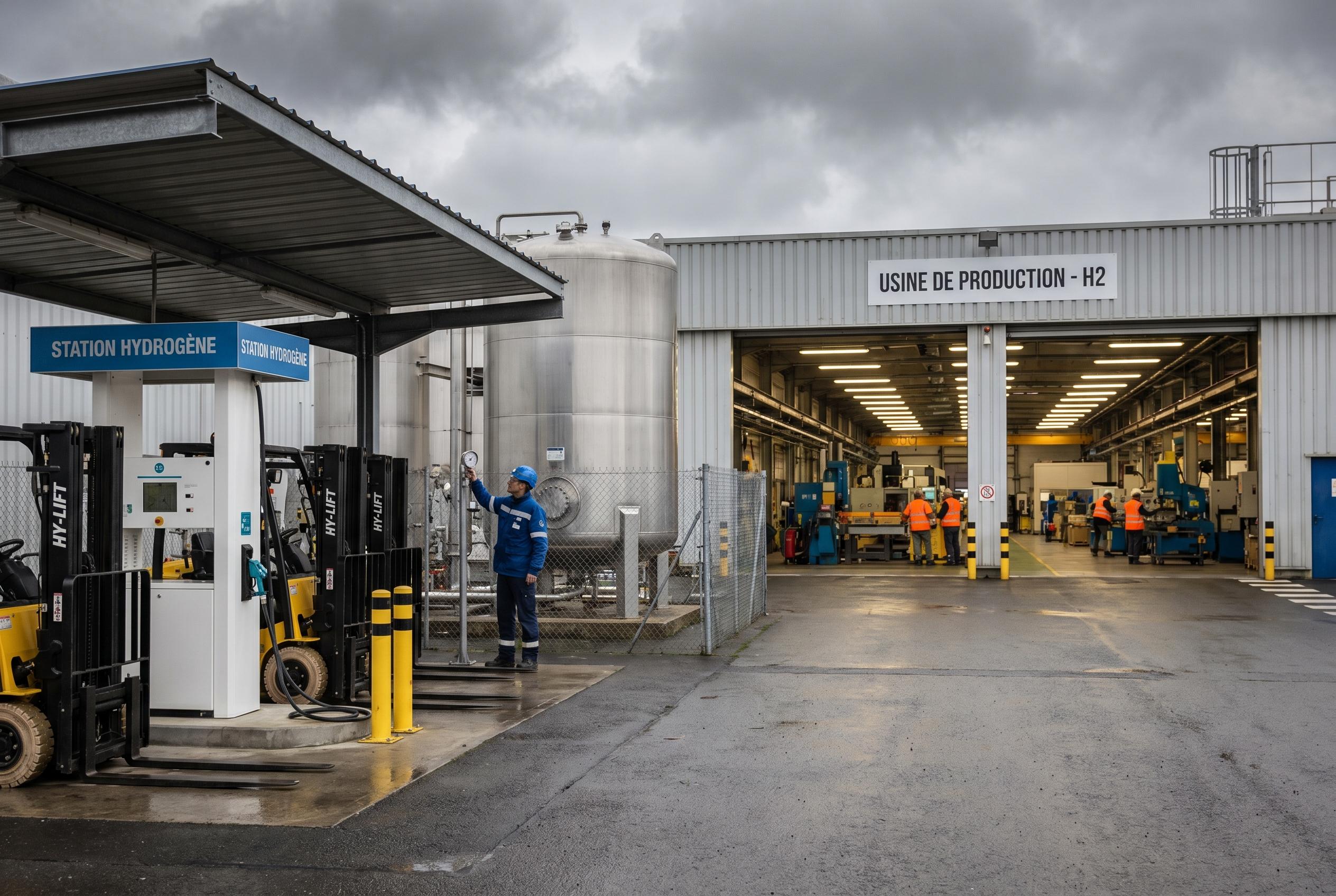
The group is also widening its reach beyond conventional industrial uses. On its energy transition pages, Air Liquide highlights investments in hydrogen supply chains for heavy-duty mobility, including work along the Seine Axis in France, as well as partnerships aimed at building a hydrogen ecosystem for aviation. Those moves point to a broader industrial strategy: not just producing hydrogen, but creating the infrastructure needed to distribute and use it at scale.
The company’s expansion has been supported by acquisitions and a sizeable project pipeline. Air Liquide completed the DIG Airgas purchase in January, adding around €120 million in annual sales and strengthening its network of production and distribution sites. Gasworld reported earlier this year that more than half of Air Liquide’s investment backlog is linked to hydrogen and the energy transition, while the company says it remains confident in its financial firepower to fund large projects and scale up new technologies.
Still, the commercial case for hydrogen remains tied to policy support and falling costs. Electrolyser manufacturing, pipelines, storage and refuelling networks all require heavy upfront investment, and cleaner hydrogen is still often more expensive than fossil-based alternatives. Even so, as Air Liquide’s latest figures show, demand is building from refineries, chemicals, steel and transport customers that want lower-carbon fuel without giving up industrial scale or reliability. For the company, that makes hydrogen less a speculative bet than an increasingly central part of the energy transition.
Source Reference Map
Inspired by headline at: [1]
Sources by paragraph:
Source: Noah Wire Services