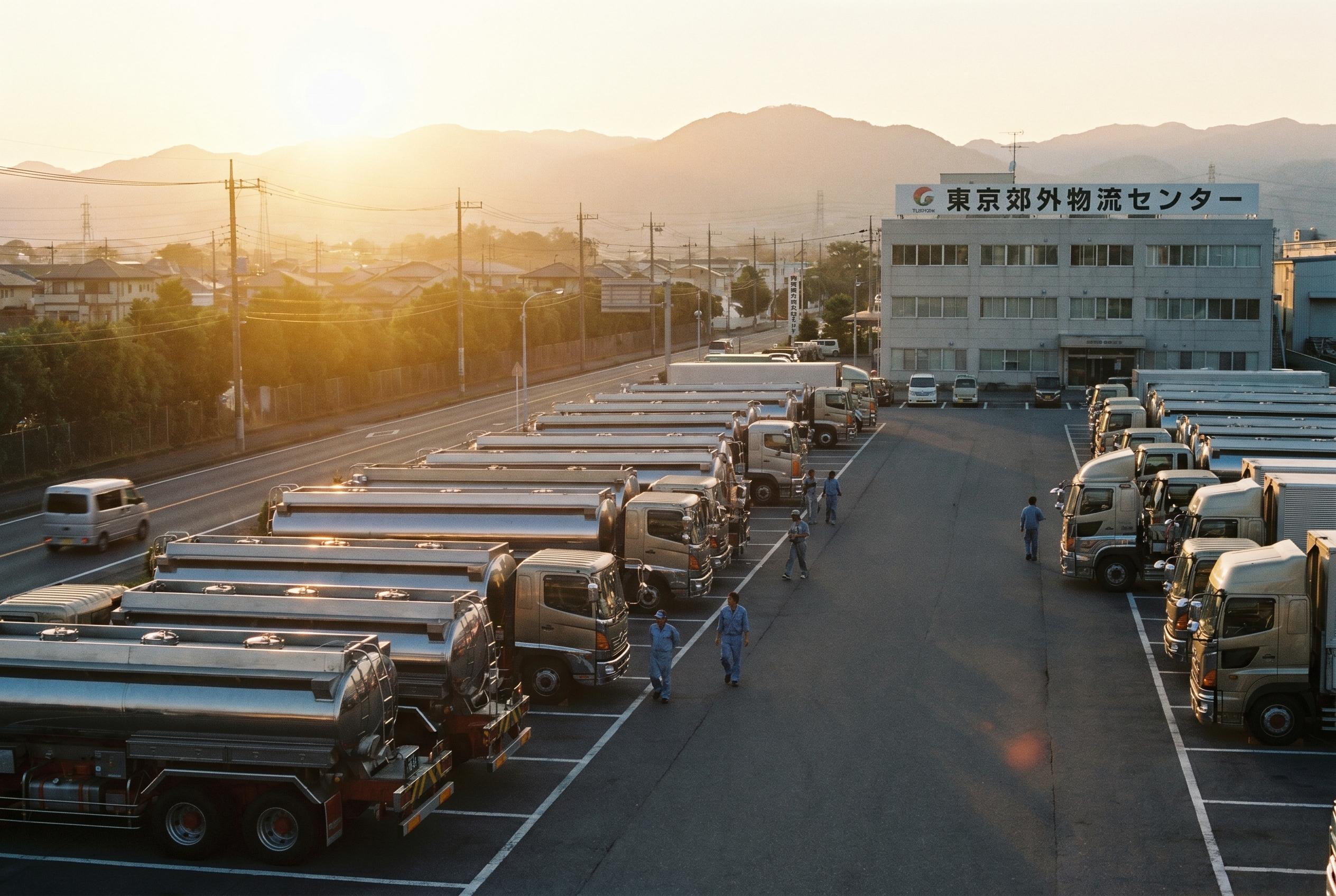
Japan has announced an extra release of oil reserves equivalent to 20 days of domestic consumption, aiming to mitigate supply risks from ongoing Middle East tensions and reduce dependence on Strait of Hormuz routes.
Japan has begun an additional release of oil reserves equivalent to about 20 days of domestic consumption as it moves to shield fuel supplies from continuing disruption in the Middle East, according to Xinhua and Kyodo News. The second tranche will add 5.8 million kilolitres to the market, with the reserves drawn from 10 storage sites nationwide and supplied to four major wholesalers.
The measure follows an earlier release in mid-March of roughly 50 days’ worth of oil from reserves held by the state, private companies and oil-producing Gulf states. Japanese officials have said the aim is to calm procurement concerns while keeping fuel flows steady for households and industry.
Prime Minister Sanae Takaichi has framed the intervention as part of a broader push to reduce Japan’s dependence on routes that run through the Strait of Hormuz, through which most of the country’s crude imports pass. Japan relies on the Middle East for more than 90% of its crude oil, leaving it exposed to any prolonged disruption in that chokepoint.
Alongside the reserve release, the government is also working to widen its supply options, including by seeking alternative procurement routes and suppliers beyond the Middle East. Reports in Japanese and regional media said Tokyo has contacted producers in the United States, Malaysia, Central Asia, Latin America and Africa as it tries to make more than half of its oil imports come through non-Hormuz routes.
Source Reference Map
Inspired by headline at: [1]
Sources by paragraph:
Source: Noah Wire Services
Noah Fact Check Pro
The draft above was created using the information available at the time the story first
emerged. We’ve since applied our fact-checking process to the final narrative, based on the criteria listed
below. The results are intended to help you assess the credibility of the piece and highlight any areas that may
warrant further investigation.
Freshness check
Score:
8
Notes:
The article reports on Japan's recent release of 20 days' worth of oil reserves, a measure announced by Prime Minister Sanae Takaichi on April 10, 2026, and implemented on May 1, 2026. ([gmanetwork.com](https://www.gmanetwork.com/news/topstories/world/983370/japan-s-takaichi-release-oil-reserves/story/?utm_source=openai)) The content appears to be original and timely, with no evidence of recycling or outdated information. However, the article's publication date is not specified, which makes it difficult to confirm its freshness definitively.
Quotes check
Score:
7
Notes:
The article includes direct quotes from Prime Minister Takaichi, such as: "To ensure a stable supply of crude oil, we will release starting in early May the equivalent of roughly 20 days' worth (of oil) from the national reserves." ([gmanetwork.com](https://www.gmanetwork.com/news/topstories/world/983370/japan-s-takaichi-release-oil-reserves/story/?utm_source=openai)) These quotes are consistent with statements made by Takaichi in April 2026. ([gmanetwork.com](https://www.gmanetwork.com/news/topstories/world/983370/japan-s-takaichi-release-oil-reserves/story/?utm_source=openai)) However, the article does not provide specific dates for these statements, making it challenging to verify the exact timing and context of the quotes.
Source reliability
Score:
6
Notes:
The article originates from The Japan News, a news outlet that aggregates content from various sources, including Xinhua and Kyodo News. While it cites reputable news agencies, the lack of direct attribution to primary sources raises concerns about the independence and reliability of the information. Additionally, the absence of a publication date for the article further complicates the assessment of its credibility.
Plausibility check
Score:
8
Notes:
The article's claims align with known facts about Japan's oil reserve releases in response to Middle East tensions. ([gmanetwork.com](https://www.gmanetwork.com/news/topstories/world/983370/japan-s-takaichi-release-oil-reserves/story/?utm_source=openai)) However, the lack of specific dates and direct links to primary sources makes it difficult to fully verify the details. The article's publication date is also unspecified, which affects the assessment of its timeliness and relevance.
Overall assessment
Verdict (FAIL, OPEN, PASS): OPEN
Confidence (LOW, MEDIUM, HIGH): LOW
Summary:
The article reports on Japan's recent release of 20 days' worth of oil reserves, a measure announced by Prime Minister Sanae Takaichi on April 10, 2026, and implemented on May 1, 2026. ([gmanetwork.com](https://www.gmanetwork.com/news/topstories/world/983370/japan-s-takaichi-release-oil-reserves/story/?utm_source=openai)) While the content aligns with known facts and is accessible without paywall restrictions, the lack of a specified publication date, direct attribution to primary sources, and the article's origin from an aggregator site raise significant concerns about its freshness, source reliability, and verification independence. These issues make it challenging to fully assess the article's credibility and accuracy.