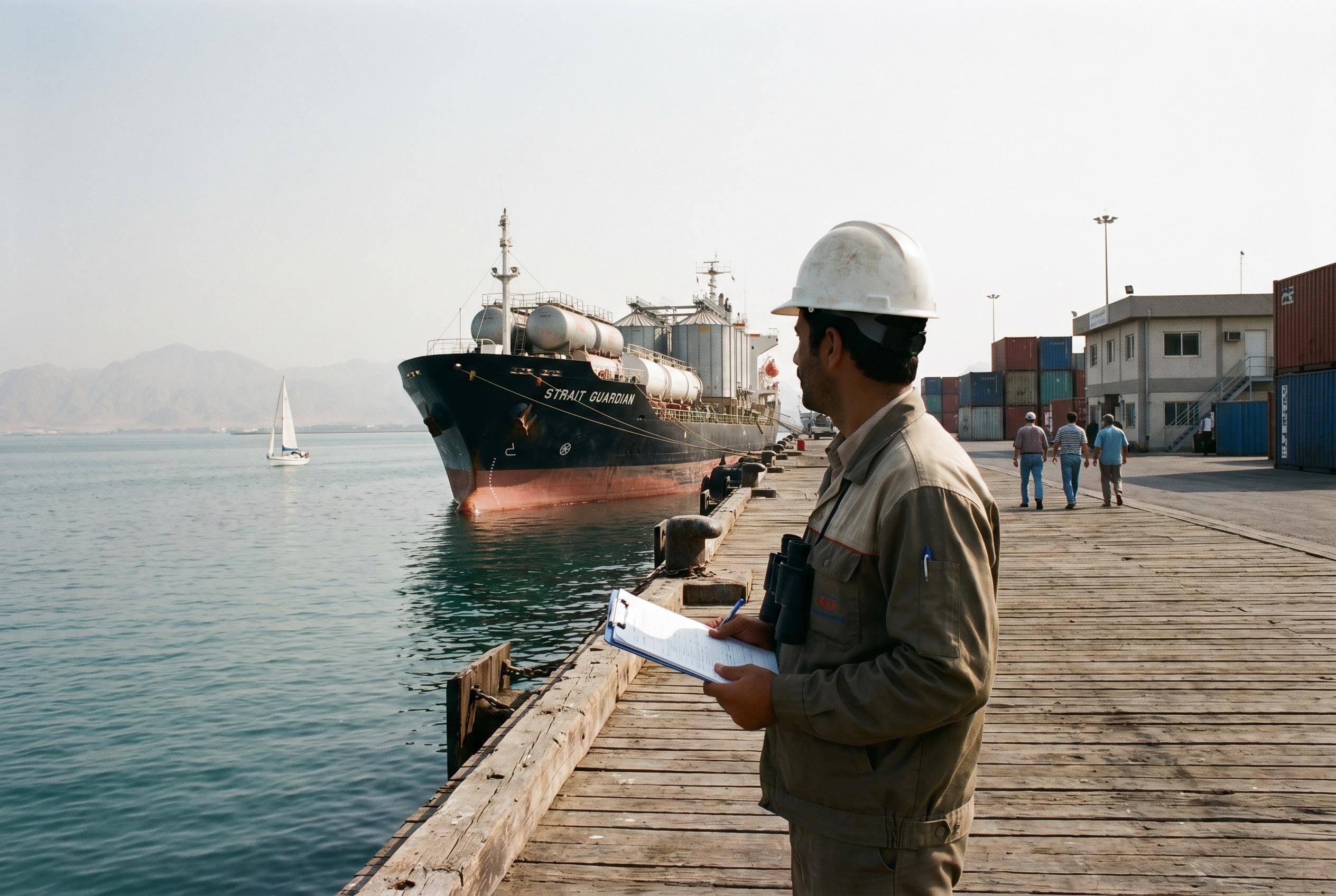
Disruption of the Strait of Hormuz extends beyond regional tensions, threatening to destabilise global economies by impacting oil, fertiliser, and food supplies, prompting urgent calls for navigational rights and resilience measures.
The Strait of Hormuz has become far more than a regional flashpoint. In a matter of weeks, restrictions on passage through the narrow waterway have moved from a security concern to a shock that is reverberating through energy markets, food systems and trade routes far beyond the Gulf. UN Secretary-General António Guterres has warned that the disruption is strangling the global economy, and has called for navigational rights to be restored so ships can pass freely again, describing the strait as vital to the world economy.
The scale of the interruption is striking. UN Trade and Development tracking shows ship movements through the strait have fallen dramatically, while oil prices have climbed sharply and remained elevated. That matters because the corridor handles a substantial share of global seaborne oil and liquefied natural gas, and it also carries a significant portion of the world’s fertiliser trade. Once that flow is interrupted, the consequences are not confined to fuel costs; they quickly filter into shipping rates, insurance premiums, food prices and industrial supply chains.
The latest figures point to a broader economic cost that is already visible in poorer countries and import-dependent regions. Guterres has warned that tens of millions could be pushed into poverty and that hunger could worsen if the disruption continues. That is consistent with the way supply shocks now travel: a squeeze in Gulf transport can become a shortage of fertiliser in South Asia, a jump in cooking oil costs in Africa, or a problem for electricity supplies in parts of the developing world.
Iran, meanwhile, is absorbing severe domestic strain. IMF estimates cited in the material point to a sharp contraction in 2026 and inflation approaching 69%, with food prices already surging. The picture is one of an economy under intense pressure even before any longer-term settlement is considered. Axios reported that a separate US blockade in the Gulf of Oman has already cost Tehran billions of dollars in oil revenue, underscoring how the contest around Hormuz has widened into a broader economic confrontation.
Analysts say the episode is also exposing how dependent the modern economy remains on a handful of maritime chokepoints. Research from the Federal Reserve Bank of Dallas suggests that even a temporary closure of the strait would leave lasting effects on output, while industry analysis indicates companies and governments are likely to respond by prioritising resilience over efficiency. In other words, the crisis is not only driving an immediate price shock; it is forcing a rethink of how little slack exists in global trade when one narrow passage is threatened.
Source Reference Map
Inspired by headline at: [1]
Sources by paragraph:
Source: Noah Wire Services
Noah Fact Check Pro
The draft above was created using the information available at the time the story first
emerged. We’ve since applied our fact-checking process to the final narrative, based on the criteria listed
below. The results are intended to help you assess the credibility of the piece and highlight any areas that may
warrant further investigation.
Freshness check
Score:
8
Notes:
The article was published on 4 May 2026, which is within the past week, indicating high freshness. However, the content heavily relies on data from late February and March 2026, which may not fully capture the most recent developments in the Strait of Hormuz crisis. This reliance on older data slightly diminishes the freshness score.
Quotes check
Score:
7
Notes:
The article includes direct quotes from UN Secretary-General António Guterres, such as his warning that the crisis could push tens of millions into poverty and trigger a global recession. These quotes are consistent with statements made by Guterres in late April 2026. However, the article does not provide direct links to the original sources of these quotes, making independent verification challenging. The absence of direct citations raises concerns about the verifiability of the quotes.
Source reliability
Score:
6
Notes:
The article is published by Financial News, a UK-based financial news outlet. While it appears to be a legitimate publication, it is not as widely recognized as major news organizations like the BBC or Reuters. The article cites data from the United Nations Conference on Trade and Development (UNCTAD) and includes statements from UN Secretary-General António Guterres, which are reputable sources. However, the lack of direct links to these sources and the reliance on secondary reporting from Financial News slightly diminishes the overall reliability score.
Plausibility check
Score:
9
Notes:
The article presents a plausible narrative consistent with known facts about the Strait of Hormuz crisis, including the significant decline in ship transits and the impact on global oil prices. The data presented aligns with reports from reputable sources, such as the United Nations and major news outlets. However, the article's reliance on data from late February and March 2026 means it may not fully capture the most recent developments, which could affect the current accuracy of the information.
Overall assessment
Verdict (FAIL, OPEN, PASS): PASS
Confidence (LOW, MEDIUM, HIGH): MEDIUM
Summary:
The article provides a timely and plausible analysis of the Strait of Hormuz crisis, supported by data from reputable sources. However, the lack of direct citations and reliance on secondary reporting slightly diminishes the overall reliability. Given the high freshness and the article's alignment with known facts, it passes the fact-check with medium confidence. Editors should exercise caution and consider seeking additional verification for the quotes and data presented.