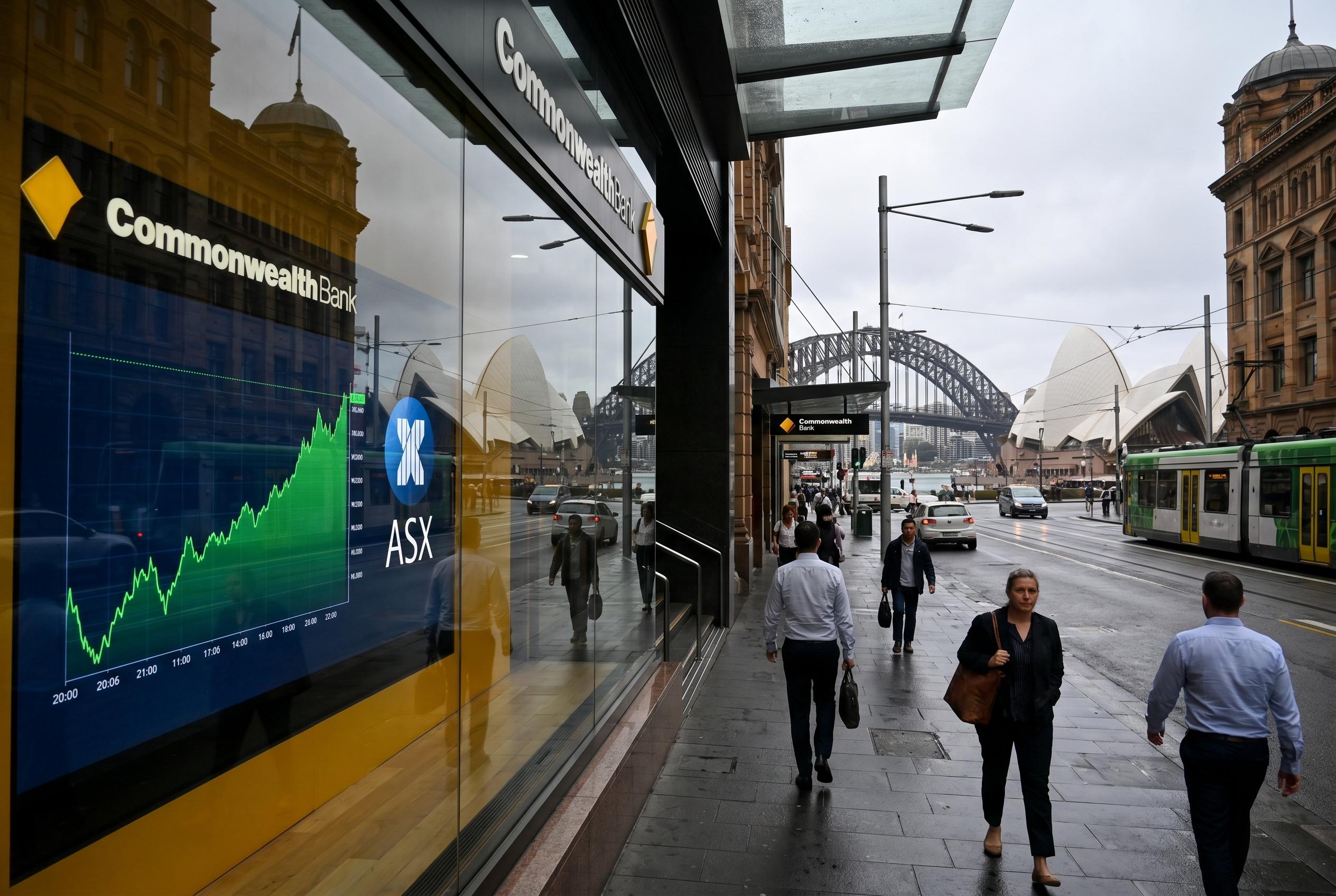
Shoppers of market news have noticed a crisp rebound: Australian shares jumped as easing oil prices and record US markets sparked a broad rally in miners, banks and energy names, offering relief after weeks of losses and reminding investors why global headlines still move the ASX.
Essential Takeaways
- Strong daily gain: The S&P/ASX 200 climbed 0.96% to 8,878.1, a solid one-day bounce off recent lows.
- Sector leaders: Materials and financials outperformed, with big miners and banks showing a sturdy feel.
- Energy relief: Oil slipping under $100 a barrel calmed inflation worries and helped risk appetite.
- Headline sensitivity: Markets reacted to U.S.-Iran ceasefire optimism and Wall Street records, so sentiment, rather than domestic data, was the immediate driver.
- Investor tip: Diversify and favour companies with strong balance sheets; be ready for short-lived rallies.
A crisp rebound as oil eases and Wall Street cheers
The ASX 200 opened strongly and held those gains, producing one of May's sharper daily performances, and you could almost feel the relief across trading floors. Global cues were the catalyst: US stocks hit fresh records driven by AI excitement while oil eased on fresh ceasefire hopes, reducing a key source of market anxiety. According to analysts, that combo swapped nervous selling for a risk-on mood, pushing miners and banks higher.
This rally follows several shaky sessions for local markets, where geopolitical risk and a tighter Reserve Bank of Australia have kept sentiment thin. Traders said the immediate move looked driven more by changing headlines than by new domestic evidence, which means the bounce could be fleeting if the diplomatic picture shifts.
Why miners and materials led the charge
Materials led the advance as iron ore and copper stabilised and major miners turned in tidy gains; the sector's mix of tangible assets and global demand made it the obvious beneficiary. Mining stocks often react fast to shifts in commodity prices, and with oil calming and Chinese demand hopes lingering, investors warmed to resource exposure.
If you own miners, think about company specifics: balance-sheet strength and long-term contracts matter here, not just headline price moves. For many investors, this rally underlined why resources remain the backbone of the ASX's resilience.
Banks bounced but still face rate pressure
Financials were next in line, with the Big Four posting modest advances as bond yields eased slightly after the RBA's recent rate move. There's an odd mix of optimism and caution, banks benefit from rising margins, yet higher-for-longer rates can squeeze growth in the broader economy.
For savers and super funds, the message is to watch loan growth and provisioning closely; balance-sheet quality will determine whether banks can weather any profit-taking if global sentiment cools.
Energy and uranium: relief and a thematic lift
Energy stocks picked up on the oil price stabilisation, while uranium-related names stood out amid ongoing energy-transition themes. Lower oil prices ease near-term inflation concerns, but the longer-term story for uranium and renewables is driven by decarbonisation commitments and supply dynamics.
If you're positioning for the energy transition, consider exposure to companies with clear project pipelines and regulatory visibility, those are likelier to survive short-term headline volatility.
Headlines matter: ceasefire hopes, corporate shocks and what to watch next
The moderation in oil followed reports of U.S.-Iran ceasefire talks mediated through Pakistan, and even a single-page framework can be enough to swing markets. Yet analysts cautioned that diplomatic progress is fragile; a pullback in talks could quickly reverse sentiment. Meanwhile, company-specific news, like an AUSTRAC probe into Tabcorp, reminds investors that individual stories can diverge sharply from the broader trend.
Looking ahead, traders will track upcoming Australian inflation and jobs data, plus further corporate earnings. If global AI optimism continues to lift US indices, that could support the ASX, but domestic inflation surprises or renewed geopolitical flare-ups would likely reintroduce volatility.
It's a small change that can make every trading day feel very different.
Source Reference Map
Story idea inspired by: [1]
Sources by paragraph: