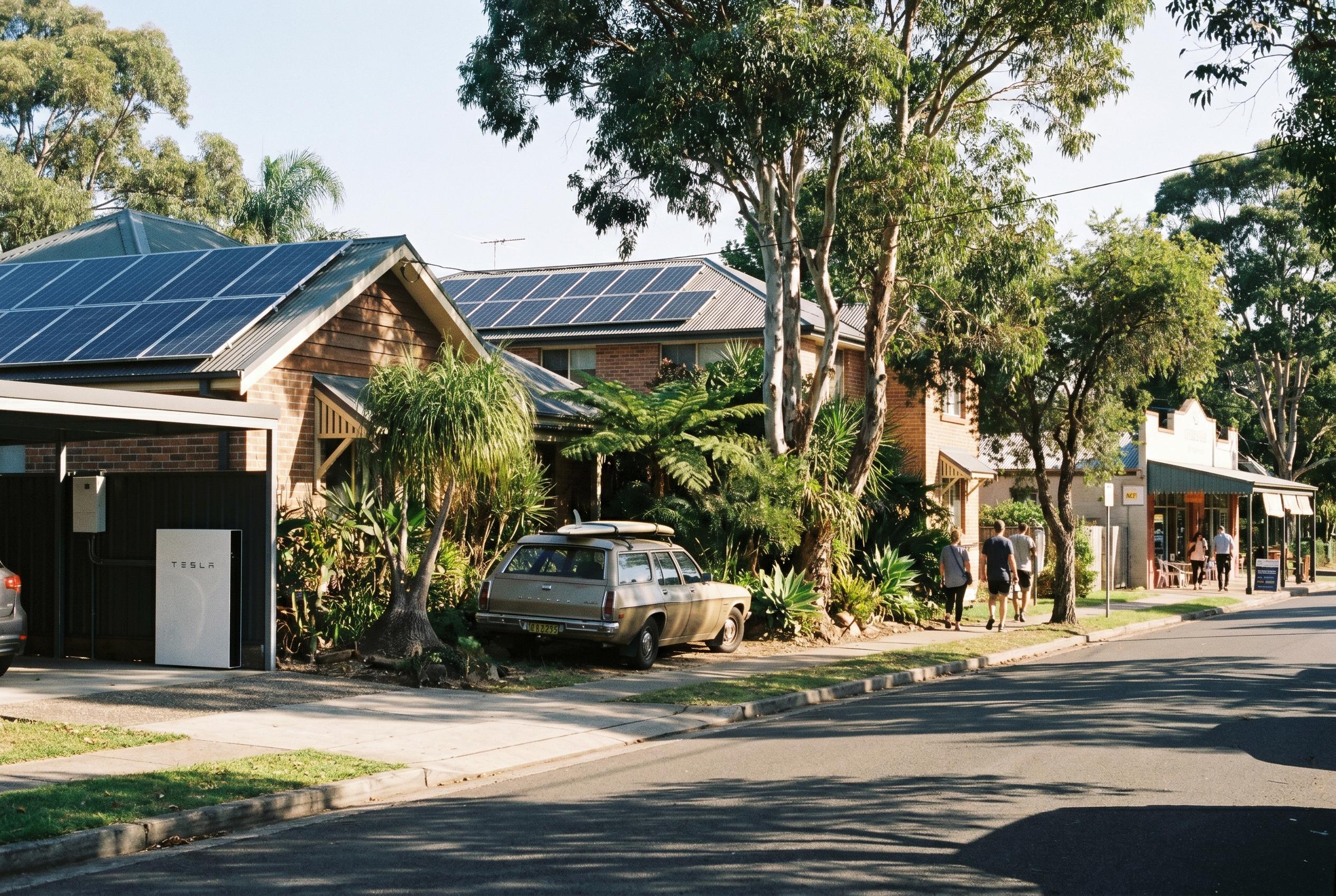
Shoppers and homeowners are flipping the switch on home batteries , and it’s starting to change everything. New South Wales says a surge in rooftop solar plus household storage helped the grid ride out a baking hot summer, showing how distributed energy is becoming a practical, everyday backbone for reliability.
Essential Takeaways
- Rapid rollout: NSW installed more than 134,000 home batteries in the first year of the Cheaper Home Battery scheme, almost double the next state.
- Real-world resilience: Officials say a hot summer caused no “lack of reserve”, as rooftop solar and batteries supplied evening peaks and reduced stress on big generators.
- Market effects: AEMO and the Australian Energy Regulator credit home batteries with improving reliability and lowering wholesale prices, which could ease bills.
- Next steps: Policymakers want better orchestration , VPPs, bi-directional charging and clearer consumer offers , to unlock more value from household storage.
- Trust and safety: High-quality installation, fair VPP arrangements and community confidence are essential to broaden participation.
A turning point you could almost feel
The boldest line from the Smart Energy 2026 conference was simple: the transition to renewables is no longer theoretical. New South Wales’ climate and energy minister said families across the state could run air conditioners on hot nights while industry carried on, thanks largely to rooftop panels and home batteries. It’s a vivid, sweaty sort of proof that distributed energy can do heavy lifting when it matters.
How did we get here so quickly? The federal Cheaper Home Battery program, paired with strong state uptake in NSW, pushed installations into the hundreds of thousands. The result was a quieter, sturdier grid over summer , and that’s the kind of sensory detail that sticks. You don’t notice a blackout when it doesn’t happen.
Why batteries change the grid’s rhythm
Large-scale wind and solar farms are essential, but household batteries alter when and how energy flows. During daylight, solar panels fill batteries; at evening peaks those batteries dispatch stored power, shaving demand spikes that used to be answered by expensive, polluting plants. AEMO has pointed to more than 381,000 home batteries nationally as a material factor in grid reliability and lower wholesale prices.
This distributed model also helps avoid some urgent, large investments in grid infrastructure, at least short term. But it’s not a magic wand: large renewables still need to be built to replace ageing coal stations and secure long-duration capacity through the decades ahead.
Virtual power plants, simplicity and the participation problem
The ministers and market operators agree on the next frontier: orchestration. Virtual power plants (VPPs) let individual batteries pool their capacity and sell it as a single, useful resource. About 17 per cent of households have already signed up to a VPP , good progress, officials say, but there’s further to go.
Practical advice for householders is straightforward: look for simple, transparent VPP offers that spell out payments, data use and outages; check warranties; and confirm installers are accredited. If offers are fair and easy, participation climbs , and the grid benefits. If they’re murky, trust evaporates.
Safety, standards and the need for trust
The rollout isn’t just a sales exercise. Ministers emphasise high-quality installation and consumer protections as central to maintaining community trust. Poor installs, dodgy equipment or unclear contract terms would slow uptake and create backlash that sets the market back.
So, if you’re considering a battery, insist on accredited installers, a clear handover, and documentation of emergency procedures. Your neighbours will thank you when the next heatwave comes.
What’s next , bi-directional charging and long-duration solutions
Home batteries handled the recent summer well, but policymakers are already eyeing the next upgrades. Bi-directional charging , letting cars serve as mobile batteries for homes and the grid , is flagged as the “next thing we need to get right.” Meanwhile, analysts remind us that four hours of storage isn’t enough for every circumstance; the grid will need longer-duration solutions and more large-scale renewables to retire coal plants within the next decade or two.
The mood is cautiously optimistic: the rebuild of the energy system is under way, but it needs careful policy, community buy-in and continued investment in both distributed and utility-scale resources.
It’s a small change with big consequences , households signing up, batteries humming quietly in garages, and a grid that’s just a little steadier for it.
Source Reference Map
Story idea inspired by: [1]
Sources by paragraph: