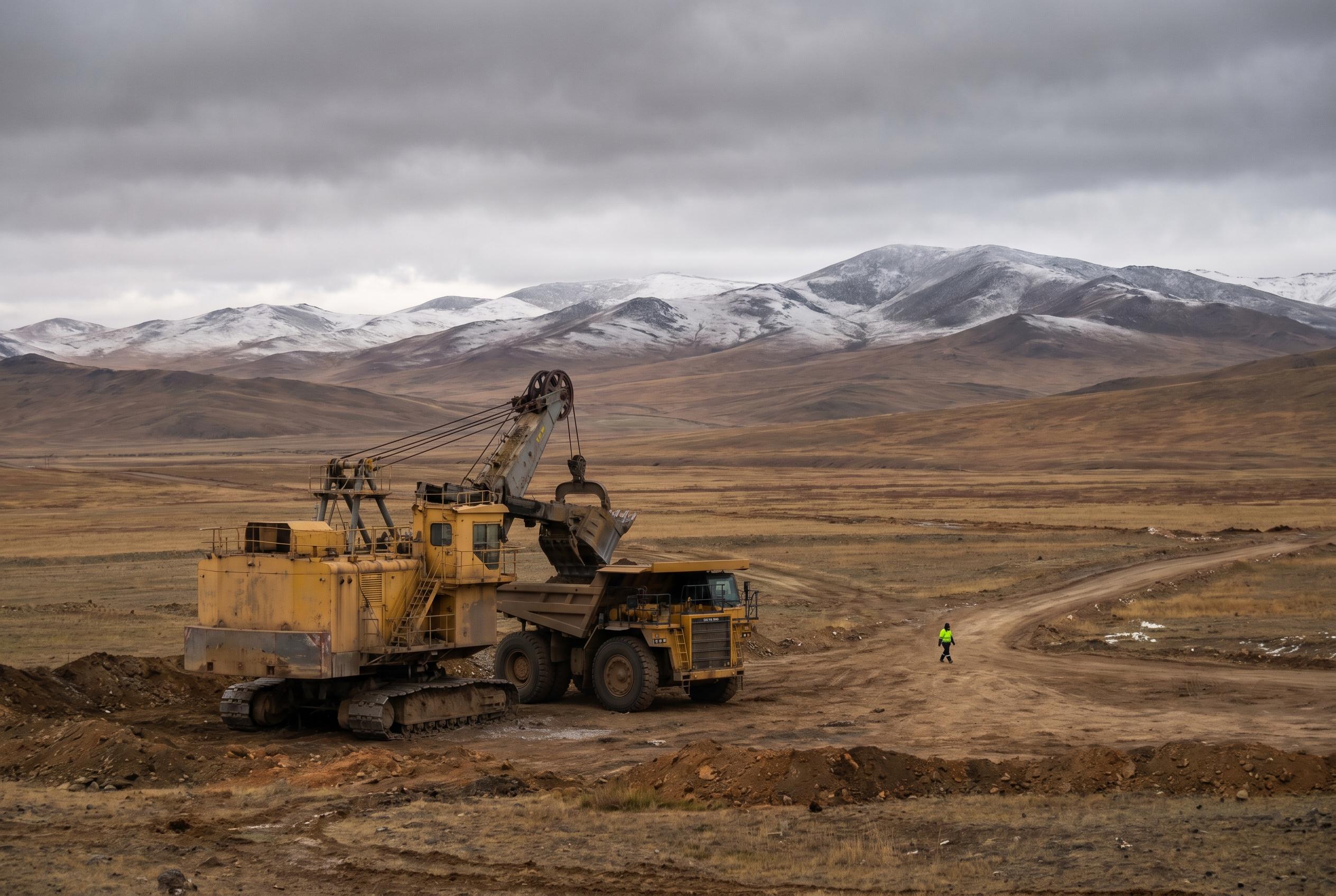
Shoppers of tech infrastructure are noticing a bigger supplier: mining. CEOs at Barrick, Rio Tinto, UEC, KoBold and Teck are steering copper, uranium and logistics strategies that now determine how fast data centres scale , and why the AI boom looks a lot like a mining boom.
Essential Takeaways
- Copper demand surge: Hyperscalers need vast copper volumes for data-centre power and networking, creating a multi‑year supply gap.
- Autonomy in the pit: Barrick and OEMs are rolling out 5G‑enabled autonomous haulage to speed delivery and cut costs, with a distinct industrial feel of high-tech in dusty environments.
- Strategic diplomacy: Rio Tinto’s reset in Mongolia unlocked a huge underground expansion, stabilising a major slice of global copper supply.
- Energy backbone: Uranium producers are positioning to meet baseload needs for AI‑grade computing, signalling a move beyond renewables for 24/7 power.
- Infrastructure pinch point: Finding ore is one thing; permitting, processing and transport remain the real hurdles to turning discoveries into chips and servers.
Why mining has jumped to the heart of the AI story
The clean lines of a server rack hide a messy truth: GPUs need power and power needs copper and fuel. Data centres consume huge amounts of wiring and cabling, and that translates into tens of tonnes of copper per megawatt. As hyperscalers commit to massive capacity builds, miners suddenly sit at the centre of tech strategy, not just commodity markets. Industry observers say this reframing makes sense: the speed of AI rollout is throttled by physical supply chains as much as by algorithms. If you care about latency, you should probably care about copper.
Barrick’s bet on autonomy speeds the supply chain
Barrick’s push to integrate autonomous haulage and drilling is a clear example of mining learning Silicon Valley’s playbook. By partnering with equipment makers to deploy 5G‑enabled autonomous fleets, operations can respond faster to geological data and keep material moving with fewer human constraints. The result is a sturdier, more predictable feed of concentrate to smelters, and a quieter, high‑tech feel to once‑cranky operations. For buyers, that stability matters: predictable throughput can make the difference between a project that feeds a multi‑GW data centre and one that doesn’t.
Rio Tinto’s Mongolia reset changed the geopolitics of copper
Securing long‑term, large‑scale projects in politically complex regions is often where the market cracks. Rio Tinto’s work to renegotiate and revive the Gobi Desert expansion demonstrates how diplomatic heavy‑lifting translates into global supply confidence. By resolving relationships and restarting underground development, the company is helping to close a projected copper deficit. For tech firms worried about concentrated sourcing risk, this kind of stability at a major mine reduces the need for expensive redundancy and frantic stockpiling.
Uranium’s comeback: why baseload matters for AI centres
Wind and solar are vital, but hyperscale GPU clusters require continuous, predictable power. That’s where uranium comes back into the conversation. Growing domestic uranium production and downstream refining capability aim to secure baseload electricity that complements renewables. For data‑centre planners the calculus is changing: long‑term power procurement now factors in not just price but reliability and emissions profile over decades. The energy mix that fuels AI will therefore shape mineral markets as much as server design does.
AI finds the ore , and speeds discovery
Machine learning is moving upstream into exploration, and the effect is tangible. AI models trained on geological patterns can prioritise targets that traditional methods overlooked, cutting the time and cost to discovery. That shortens the lead time from prospect to production, which matters when the market needs multiple new large copper mines each year. For commentators, this is a doubling back: tech enables better mining, which supplies more tech , a feedback loop that could soften future supply shocks if scaled responsibly.
The infrastructure problem: why permits and processing still bite
Even when ore is found, the clock often stops at permitting, smelting capacity and transport bottlenecks. Modern mines are electricity‑hungry and need upgraded processing plants and grid connections to deliver metal at scale. Policy and permitting reform, plus investment in ports and rail, are therefore as crucial as exploration success. Investors and tech buyers should watch not only discovery headlines but the progress of infrastructure projects , because mined metal only helps if it can be refined and moved.
It's a small change with big implications: tune your tech forecasts to include the mine map.
Source Reference Map
Story idea inspired by: [1]
Sources by paragraph: