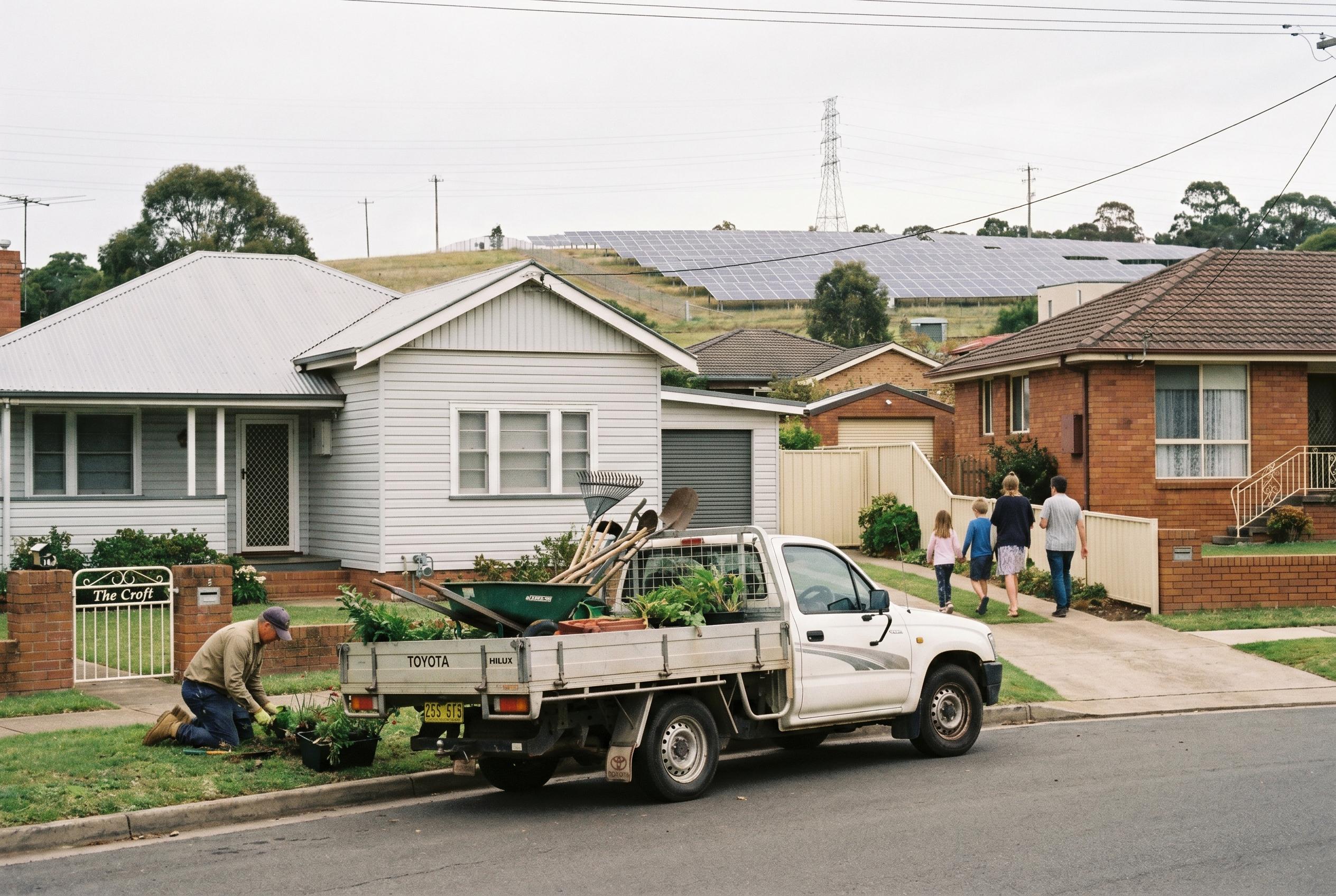
Shoppers of policy might not be glamourous, but NSW’s new planning law is turning heads , it fast-tracks renewable generation, storage and network projects while keeping environmental and community checks in place, promising jobs, cheaper power and clearer benefits for regional hosts.
Essential Takeaways
- Faster approvals: The law streamlines planning so priority projects face shorter assessment timelines while still meeting environmental rules.
- Local safeguards: Developers must follow consultation and benefit‑sharing obligations, with AU$180m already committed under guidelines.
- Industry protection: Heavy users such as the Tomago smelter can secure the energy infrastructure they need without long delays.
- Big pipeline: NSW has tens of gigawatts of generation and storage in the pipeline and a 2030 target of at least 16GW new renewable generation.
What the new law actually does , and what it feels like on the ground
At a glance, the legislation is about moving projects from drawing-board to connection point faster, and you can almost feel the difference , fewer months in limbo, more bulldozers on site. According to the state, assessment times for renewables were cut almost 20% since 2023 and approvals rose by 50%, and this law locks in mechanisms to keep that momentum. Behind the streamlining is a simple promise: speed up approvals for generation, storage and network infrastructure while keeping planning, environmental and consultation obligations intact. For communities that means formalised engagement, and for developers it means clearer, faster pathways.
Why regional communities are front of mind
The government has insisted that priority projects must demonstrate best practice in engagement with landholders and local communities, and the Benefit‑Sharing Guideline will now sit in law. That’s significant , more than AU$180m has already been pledged under the guideline since late 2024, and the aim is to make sure rural towns hosting turbines or substations see tangible returns. Practically, councils and residents should expect clearer offers on community funds, employment programs and infrastructure contributions. If you live near a proposed site, ask for the project’s benefit plan and a timeline for local hiring , it’s your negotiating leverage.
Why heavy industry matters in the reform story
New South Wales framed part of the reform as essential to keeping big electricity consumers operational. The Tomago aluminium smelter, which uses a substantial slice of the state’s power, faced uncertainty until governments secured a long-term, fixed-price power purchase deal backed by new renewables infrastructure. The law aims to avoid future bottlenecks that could put manufacturing and related jobs at risk. For policymakers and businesses, that’s the commercial logic: reliable, affordable power underpins investment. For consumers it means the chance of steadier electricity prices if more generation and storage come online faster.
Transmission and REZs: the technical backbone
The timing matters because NSW already has major transmission projects underway, such as the Hunter‑Central Coast Renewable Energy Zone connection and proposed New England REZ lines. These links are what let new wind and solar actually reach cities and industry centres rather than sit stranded in prime farmland. EnergyCo and planners are juggling approvals, landholder agreements and federal referrals so that up to 6GW of capacity can be unlocked in coming years. If you’re comparing projects, prioritise ones with clear transmission plans , generation without wires is just potential.
How to read the trade‑offs and what to watch next
Speed is welcome, but scrutiny remains crucial. The legislation explicitly retains environmental assessment and community consultation requirements, and reforms to referral pathways are supposed to prevent distant objectors from blocking local necessity. That’s a political tightrope: balancing national energy needs with local consent. Watch for how Independent Planning Commission referrals are handled, and whether benefit‑sharing deals land as promised. If you’re a landholder, demand written commitments; if you’re a neighbour, ask for transparent impact assessments and monitoring plans.
It's a small change that can make a big difference to energy jobs, bills and local economies.
Source Reference Map
Story idea inspired by: [1]
Sources by paragraph: