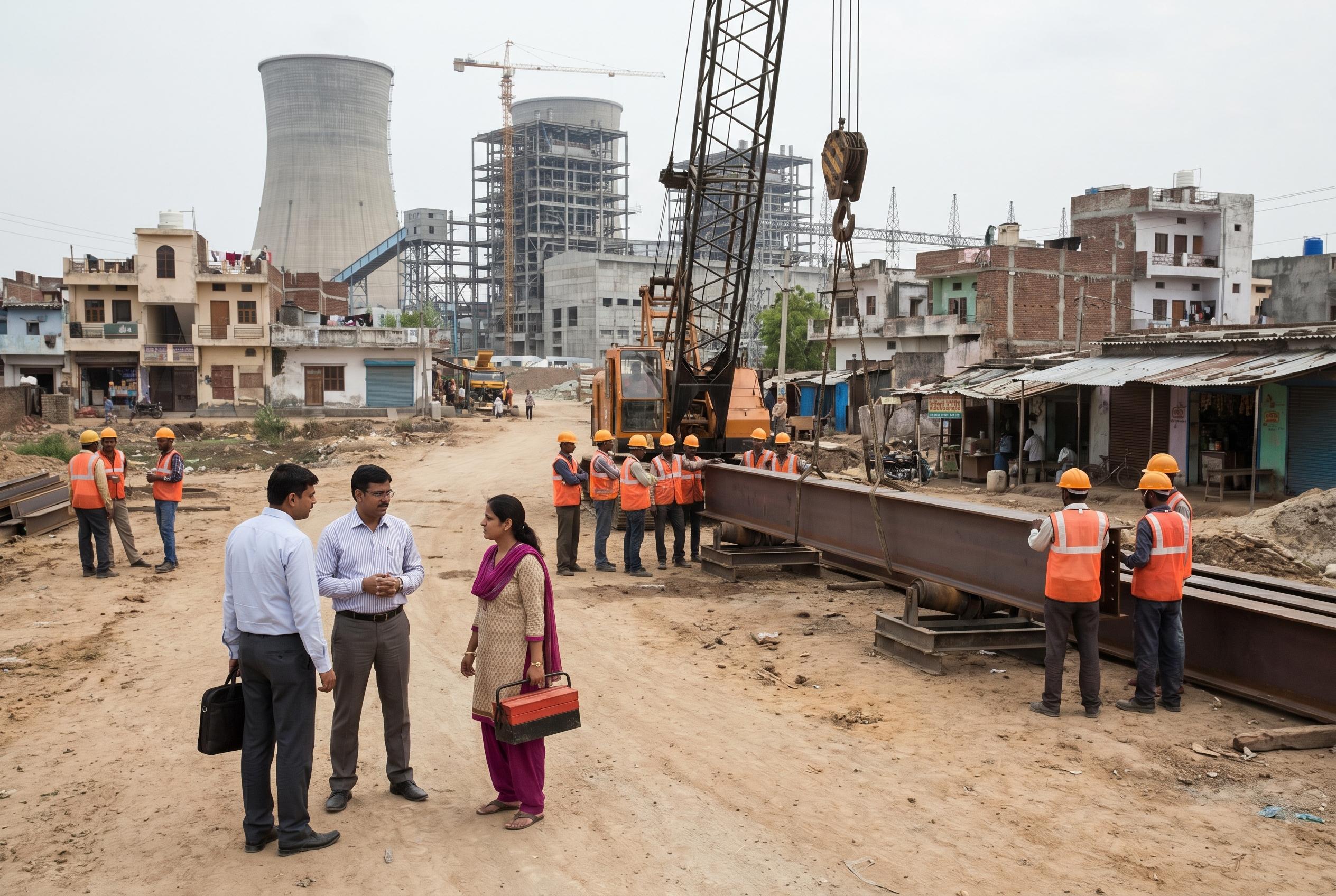
Shoppers of capital and policymakers are directing fresh money into thermal power as India braces for a sharp rise in electricity demand in 2026–27; investors want reliable baseload supply, states need grid stability, and utilities are balancing renewables growth with pragmatic capacity additions.
Essential Takeaways
- Demand jump: Power demand is forecast to climb about 5–5.5% in 2026–27 after a tepid 1% in 2025–26, driven by heat, agriculture and new loads such as EVs and data centres.
- Thermal additions: About 6 GW of thermal capacity is expected to be added in 2026–27, alongside roughly 50 GW total capacity additions.
- PLF steady: Thermal plant load factors are likely to hover near 65%, reflecting more renewables on the grid but persistent need for dispatchable generation.
- Discom stress: Distribution companies still carry high debt and a sizable cash gap per unit; muted tariff hikes could keep financial pressure on utilities.
- Practical note: New thermal projects improve grid reliability but timely commissioning and equipment supply remain key risks.
Why thermal is suddenly back on investors’ radars
India’s power planners and investors are waking up to a simple fact: intermittent renewables are growing fast, but the grid still needs dependable back-up that can run when the sun sets or wind fades. According to industry commentary, that’s why thermal projects are seeing renewed activity, with public and private players announcing new builds and long-term purchase bids. You can almost hear the relief in the market , thermal brings a steady, low-drama hum when renewables wobble.
The demand story , heat, irrigation and new technologies
After a weather-hit 1% growth year, demand is expected to surge to around 5–5.5% in 2026–27 thanks to an intense heatwave, hotter nights and a likely El Niño that could cut rainfall. That’s not just about fans and ACs; irrigation pumps, electric vehicles and hyperscale data centres are all nudging peak and baseload needs higher. For policymakers and utilities, that mix changes procurement priorities: it’s not enough to add solar farms, you need capacity that answers when the grid calls.
How much thermal will be added , and why 6 GW matters
Industry analysts project roughly 50 GW of new generation in 2026–27, with thermal contributing about 6 GW and the rest coming from renewables. Six gigawatts may sound modest next to big solar numbers, but it’s meaningful for grid stability , think of it as insurance that kicks in during evening peaks and cloudy stretches. The catch is execution: thermal projects have long lead times and rely on domestic boiler, turbine and generator supply chains that are already busy, so delays are a real risk.
Financial strain at the distribution end , why discoms still worry markets
Even as supply additions rise, distribution companies are under financial strain. Book losses improved recently and state-level gross debt has eased a little, but debt remains high and tariff increases have been muted in many states. Analysts expect the cash gap per unit for discoms to stay elevated, which complicates long-term procurement and could slow payments to generators. In short, adding generation is only half the battle; the other half is ensuring healthy cash flow down the line.
Picking projects and what investors should watch
If you’re tracking thermal investment opportunities, focus on project readiness and equipment supply certainty. Prioritise plants with clear timelines, secured BTG (boiler, turbine, generator) contracts and firm long-term power purchase agreements. Also weigh fuel logistics and coal stock comfort , recent data suggest domestic coal supplies are reasonable, but any supply shock would quickly change bidding economics. Finally, consider blended portfolios: pairing flexible thermal with local renewables and storage gives the best chance at steady returns and operational resilience.
It's a pragmatic pivot: renewables still dominate capacity additions, but thermal makes a sensible return as the grid readies for a much busier 2026–27.
Source Reference Map
Story idea inspired by: [1]
Sources by paragraph: