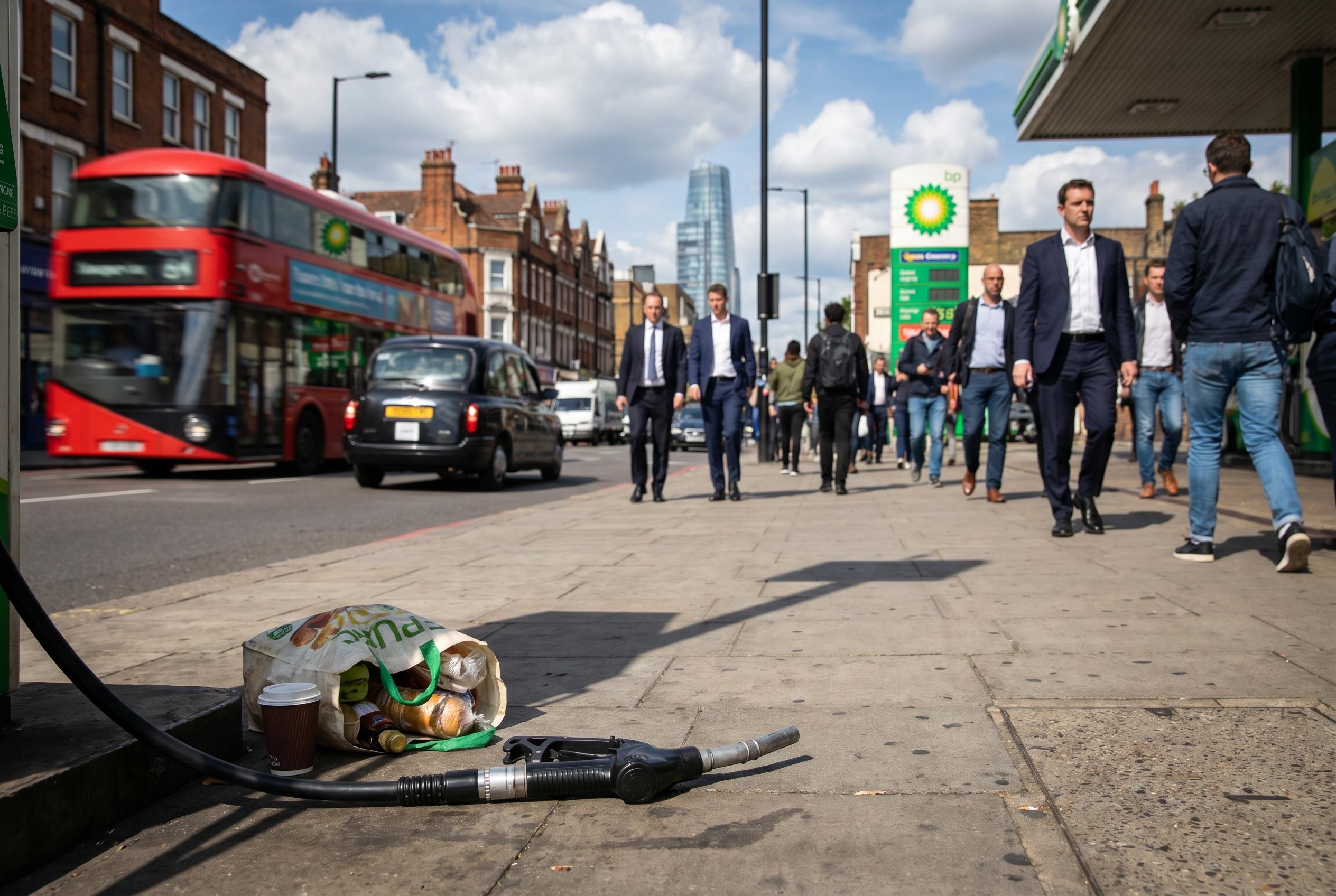
Shoppers and commuters are watching petrol forecourts nervously as oil ticks up again , traders say the market is torn between hopes for a Middle East peace deal and fresh attacks that could choke supplies, a mix that matters for pump prices and household budgets.
Essential Takeaways
- Price move: Brent rose about 0.5% to roughly $101.80 a barrel while US crude climbed similarly, rebounding after a sharp midweek slump.
- Diplomacy vs disruption: Talks that might end hostilities are keeping markets hopeful, but missile and drone strikes have kept risk premia intact.
- Supply lag: Even with a deal, shipments from the region would take weeks to normalise, meaning stocks and refinery runs stay tight for a while.
- Inventories down: US crude inventories are falling, adding a modest upward push to prices and refining margins.
- Sensory cue: Traders describe sentiment as jittery , headlines swing prices, and that quick, headline-driven movement tends to filter through to retail fuels.
Why prices jumped back , and why it feels tense at the pumps
Oil rebounded after a steep one-day drop, with Brent climbing back above $100 a barrel and US crude following suit. The market is essentially playing tug-of-war between hopes that diplomacy could remove the wartime premium and fresh reports of attacks that still threaten shipping lanes and terminals, leaving traders a little breathless. For drivers, that means you might see short-lived dips in pump prices, but broad relief will take time.
The diplomacy storyline: could a deal really strip away risk premium?
Reports suggest negotiators are near a compact that would formally end the conflict, and US officials expect rapid responses from Tehran. If a credible peace deal materialises, industry analysts say geopolitical premiums could evaporate fast , and prices could fall sharply. But markets have learned not to count chickens: a tentative memorandum might calm nerves only briefly until oil actually starts moving out of the Gulf again.
The disruption storyline: attacks keep supply concerns alive
Meanwhile, a fresh wave of missile and drone strikes, including incidents reported around Fujairah and UAE ports, has paused or slowed some loadings and kept insurers and shippers jittery. Those real-world interruptions mean even with diplomacy progressing, physical flows will be constrained for weeks. That’s why traders and refiners are watching storage levels and shipping schedules, not just negotiating rooms.
Stocks and storage: inventories are tightening, for now
US Energy Information Administration data show crude inventories are falling, a pattern that’s consistent with countries dipping into buffer stocks to offset Gulf disruption. Lower stockpiles provide a technical lift to prices and make sudden spikes more likely if a new incident happens. For consumers, tighter inventories plus summer demand can translate to stickier pump prices even if headlines turn positive.
How to think about petrol prices in the coming weeks
If you’re budgeting for fuel, expect volatility more than a steady downtrend. A formal deal could bring relief, but delays in shipping and resumed flows mean it won’t be immediate. Practical steps: top up when you spot a bargain day, compare local forecourts, and consider public transport or car-sharing for longer trips while prices settle. Small shifts in behaviour help if prices spike again.
It's a small change today that can make every filling-station visit less stressful tomorrow.
Source Reference Map
Story idea inspired by: [1]
Sources by paragraph: