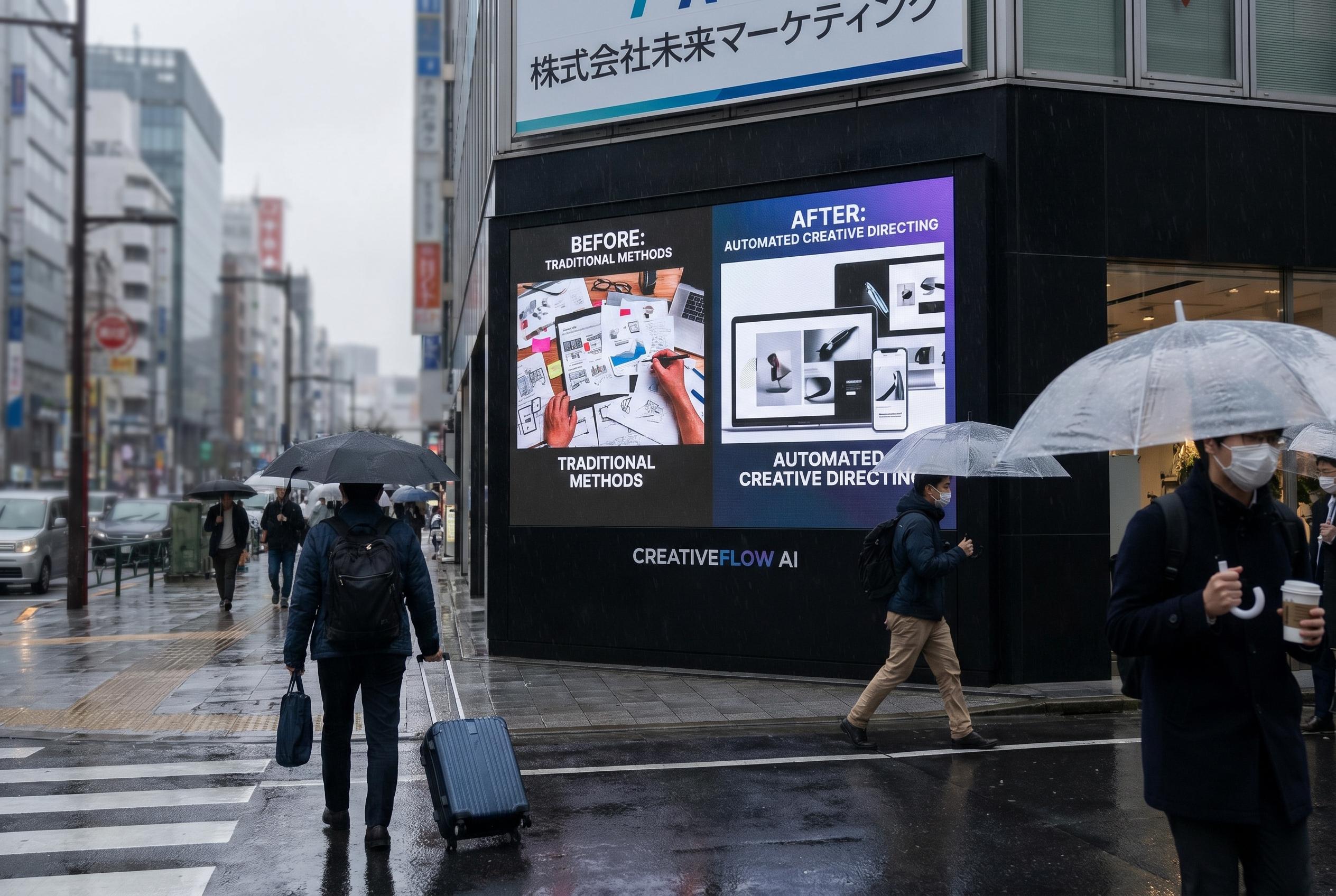
Shoppers are turning to nimble AI engines as visual teams demand speed and consistency; the nano banana is emerging as the go-to framework that lets agencies, startups and solo creators crank out brand-safe imagery at industrial scale while keeping quality high and costs down.
Essential Takeaways
- Speed and fidelity: Nano Banana produces high-quality images quickly, making real-time iteration possible.
- Workflow-friendly: It integrates with editing suites and automation tools for consistent, reusable assets.
- Democratising creativity: Small teams can generate professional-level visuals without big budgets.
- Technical reliability: Built-in feedback loops and noise reduction cut hallucinations and boost hit rates.
- Global-ready: The engine supports localisation and metadata tagging for large-scale campaigns.
Why speed-with-precision is the new creative baseline
The biggest shift in creative tech right now is that teams want results fast , but they also refuse to compromise on realism. According to industry reporting, the nano banana flips the old trade-off on its head by using optimised latent spaces to reach professional resolution in fewer diffusion steps, so images come back sharp and usable, not blurry. This matters for performance marketers who need multiple variants overnight rather than a polished hero shot in two weeks. If you value momentum , brainstorm to publish in hours , this is the kind of engine that keeps the ideas flowing.
How nano banana plugs into real ad pipelines
Visual AI only pays dividends when it sits inside your existing systems, and that’s where nano banana scores. Platforms have been integrating the engine so outputs can be tagged, resized and routed straight into CMS and ad stacks, preserving a brand’s visual DNA across channels. The practical payoff is obvious: you get consistent asset families that behave predictably on social, web and print, which cuts time spent on manual retouching and QA. For creative leads, that means fewer last-minute fixes and more time steering campaigns.
From idea to director: democratising professional output
One pleasant surprise is how quickly nano banana turns vague briefs into polished visuals. Teams can share style “seeds” and prompts so anyone , a marketing manager, founder or junior designer , can iterate like a CD without learning arcane tools. That reduces creative drift when several hands touch a brief, and it levels the playing field for smaller businesses that can’t afford big production budgets. In short, the engine lets the quality of the idea, not the size of the cheque, dictate the final work.
The tech under the hood that makes it reliable
What sets nano banana apart is a built-in critique loop: the model evaluates and corrects its own outputs during generation, which cuts down on common AI missteps like inconsistent hands or weird shadows. Add targeted noise-reduction and logical latent mapping and you’ve got a system that connects text intent to images with strong semantic accuracy. For practitioners this translates into fewer trial runs and a higher “right first time” rate, which is a practical competitive advantage in content-hungry teams.
Scaling content globally without losing soul
Global brands face the constant headache of keeping a central brand voice while tailoring visuals for local markets. The nano banana’s ability to adapt aesthetic cues , from kitchen styles to wardrobe choices , makes it a handy creative translator. When used with a centralised asset hub, teams can spin up localised variants quickly while keeping governance tight. The result is faster regional campaigns that still feel authentic to local audiences, a big win for international roll-outs.
Ethics, provenance and what comes next
Powerful image engines bring responsibility, and the nano banana ecosystem is moving to meet that with features like metadata watermarking and origin tracing. That’s critical if you want transparency around who generated what and where assets came from. Looking ahead, expect more proactive capabilities , the engine suggesting variations before you ask , and tighter integration with governance tools. The goal is a creative workflow that’s fast, reliable and accountable.
It's a small change that can make every campaign run smoother and look sharper.
Source Reference Map
Story idea inspired by: [1]
Sources by paragraph: