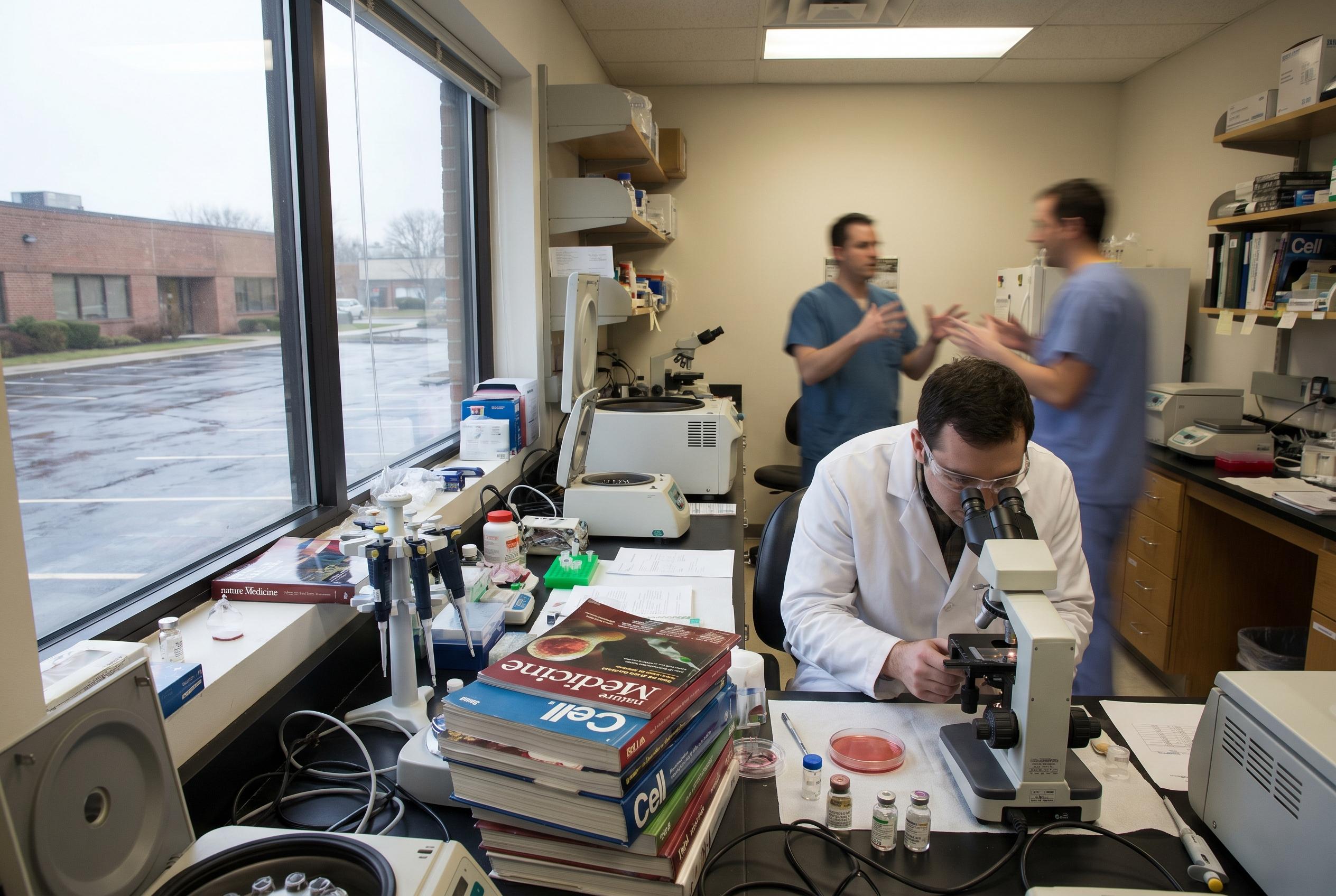
The FDA’s drive to compress drug review times is creating a more demanding environment for smaller biotech companies, which often lack the cash, staff and operational slack to adapt as quickly as larger rivals. The agency’s Commissioner's National Priority Voucher pilot is designed to cut the review window from the usual 10 months to as little as two, while draft guidance issued in February sketched out a possible route for ultra-rare disease therapies where conventional randomised trials may not be realistic. According to the FDA, the programme is intended to speed medicines that fit national health priorities without lowering the evidentiary bar for approval.
That acceleration, however, is forcing biotech executives and advisers to rethink development strategy. Bill Holtz, a legal and regulatory strategist at Foley & Lardner, said there was growing discussion about whether some of these ideas could be folded into the next PDUFA negotiations. David Rosen, a partner at the same firm, said companies are under more pressure to move faster, use surrogate markers earlier and avoid waiting for later efficacy readouts. For smaller drug developers, a failed filing can be especially damaging because a second trial can make fundraising far harder.
The FDA has insisted that quicker decisions will not mean weaker science. The agency says the voucher programme is aimed at public health priorities such as crisis response, breakthrough therapies, unmet medical need, domestic supply resilience and affordability, and that vouchers are non-transferable. It has also continued to expand the pilot: in recent weeks, the FDA said it had awarded another six vouchers, taking the total to 15 recipients.
Even so, the policy push comes as the agency is dealing with internal strain. Holtz said staffing had already been tight before broader federal workforce cuts and that review teams were effectively operating at capacity. He also noted that the FDA’s leadership has become more political, prompting some companies to be more active in Washington and to keep congressional staff informed about concerns they believe are at odds with public health.
That uncertainty is sharpened by turnover at senior levels. Dr Vinay Prasad, who heads the FDA’s Center for Biologics Evaluation and Research, is due to depart at the end of April after a contentious tenure that included the reversal of an earlier decision not to review Moderna’s mRNA flu vaccine. The agency has also scheduled a public meeting on June 4 to gather feedback on the voucher programme, a sign that the process remains fluid even as the FDA presses ahead with faster reviews. For biotechs, the practical takeaway is clear: maintain close contact with regulators, document every exchange carefully and confirm that advice has not shifted before moving too far down the development path.
Source Reference Map
Inspired by headline at: [1]
Sources by paragraph:
- Paragraph 1: [2], [1]
- Paragraph 2: [1]
- Paragraph 3: [2], [4]
- Paragraph 4: [1]
- Paragraph 5: [1], [3], [5]
Source: Noah Wire Services