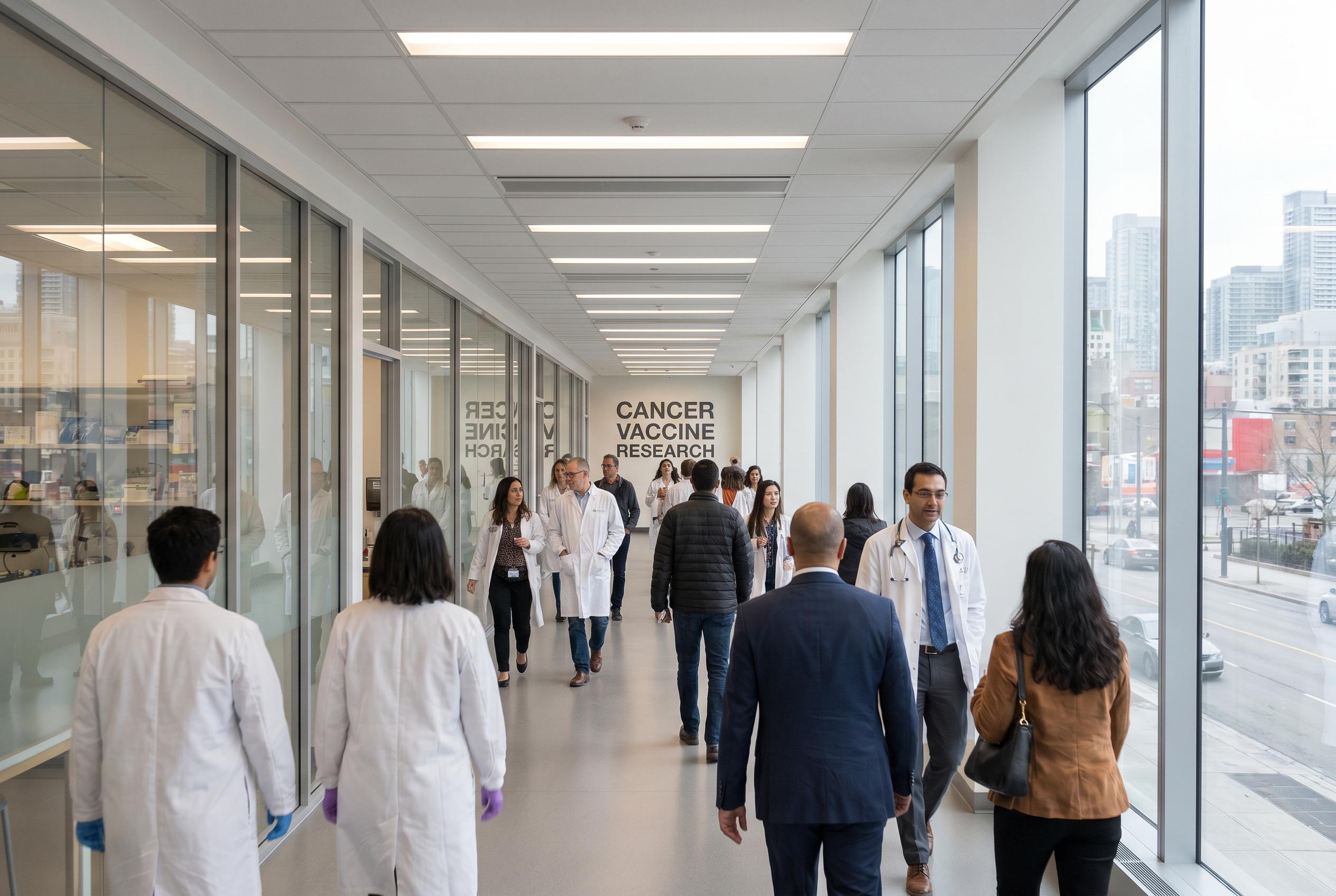
Shoppers of science and healthcare investors have noticed a boom: global cancer vaccine platforms are growing fast, driven by mRNA, neoantigen and AI-enabled approaches, and could hit about USD 10.59 billion by 2032 , a shift that matters for patients, hospitals and biotech backers.
Essential Takeaways
- Market size: Forecast to expand from roughly USD 4.58bn in 2026 to USD 10.59bn by 2032, at about a 15% CAGR.
- Leading tech: mRNA-based vaccines currently hold the largest share, prized for rapid scalability and a mild production footprint.
- Top regions: North America leads in revenue and R&D, while Asia‑Pacific is the fastest-growing market with rising clinical trials.
- Clinical focus: Therapeutic vaccines dominate today; neoantigen and personalised platforms are the most promising innovations.
- Practical hurdle: High development costs, complex trials and cold-chain manufacturing remain barriers to broad access.
Why mRNA Is the Star , and It Feels Different
mRNA platforms have a sleek, almost effortless feel compared with older biologics: they can be designed quickly and manufactured at scale, and that agility is why they dominate the current market. Analysts point to the rapid deployment experience from infectious‑disease vaccines as a proof of concept that translates to oncology. According to industry reports, mRNA is the largest product segment and is expected to grow faster than many rivals, partly because it shortens timelines from design to first‑in‑human trials. For patients and clinicians, that means more tailored trials and faster iteration when a vaccine needs tuning.
Therapeutic Vaccines Lead, But Preventive Options Are Catching On
Therapeutic cancer vaccines, those designed to treat existing tumours, currently make up the bulk of sales and clinical activity, because hospitals and cancer centres can integrate them into existing oncology care pathways. There’s growing interest in preventive vaccines too, particularly for cancers linked to viruses, and public health initiatives could drive steady uptake. Practically, if you’re choosing trials or treatment centres, look for facilities experienced with personalised manufacturing and genomic profiling, because they’re best placed to deliver the newest therapeutic approaches.
Regions to Watch: North America’s Muscle, Asia‑Pacific’s Momentum
North America contributes the lion’s share of revenue thanks to deep R&D pockets, regulatory support and big biotech names. That concentration fuels fast approvals and partnership activity. Meanwhile, Asia‑Pacific is the fastest-growing region: governments are funding trials, infrastructure is expanding, and patient numbers are rising. For investors and companies, that mix means strategic partnerships across regions will be crucial; for patients, it signals more local trial opportunities and earlier access to experimental therapies.
Innovation Hotspots: Neoantigens, AI and Personalisation
Neoantigen vaccines , built from the unique mutations of a patient’s tumour , are the poster child of personalised oncology, offering truly individualised immune targets. Add AI into the mix and discovery timelines shrink: algorithms help pick the most promising neoantigens and refine clinical designs. Industry observers note that AI‑integrated platforms are the fastest‑growing technology segment, reducing lab guesswork and helping smaller firms punch above their weight. If you’re tracking the next breakthrough, watch collaborations that combine genomic sequencing with machine learning and scalable mRNA production.
The Real Limits: Cost, Complexity and the Cold Chain
Despite the optimism, the market faces real constraints. High R&D and manufacturing costs mean therapies can be expensive, while lengthy, complex clinical trials and variable regulatory frameworks slow rollout. Cold‑chain logistics for biologics add further friction, especially in lower‑income regions. For healthcare purchasers and policymakers, this is a call to action: negotiate pricing models, invest in local manufacturing, and harmonise regulatory pathways to make advanced vaccines accessible beyond wealthy markets.
Closing line
It’s a fast-moving corner of medicine , a small change in technology or regulation could make every personalised vaccine far more attainable.
Source Reference Map
Story idea inspired by: [1]
Sources by paragraph: