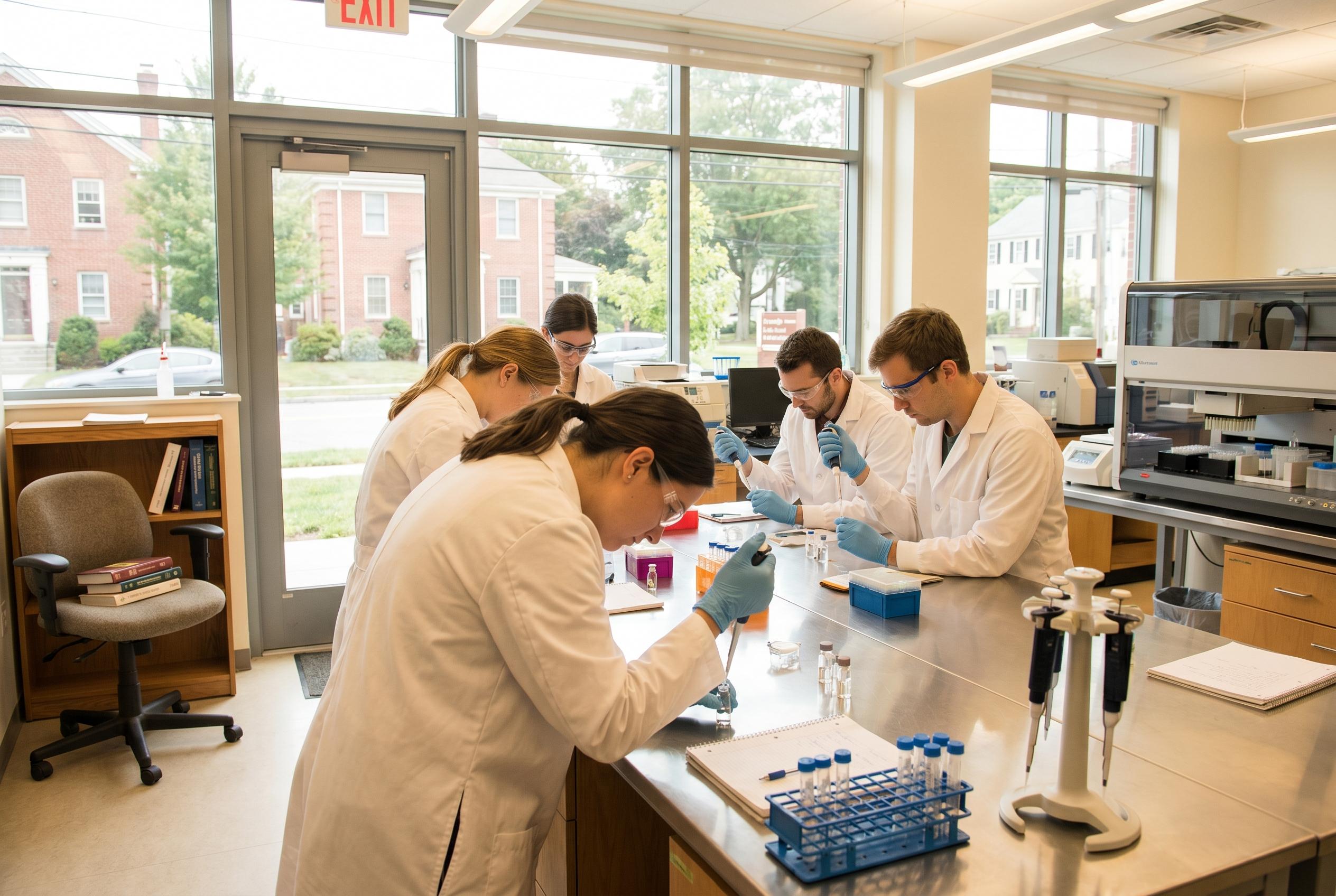
Shoppers and scientists alike are reaching for faster, purer oligos as the market shifts from bench tools to clinical manufacturing; companies worldwide are racing to scale production, add GMP capability, and offer digital ordering so therapeutics and diagnostics can move from idea to patient more quickly.
Essential Takeaways
- Market growth: The oligonucleotide synthesis market is expanding rapidly, with multi‑billion‑dollar forecasts and double‑digit CAGR projections.
- Clinical demand: More projects need GMP‑grade, reproducible batches for antisense, siRNA and CRISPR applications, not just research samples.
- Technology shifts: Enzymatic synthesis and advanced purification are gaining ground for longer, cleaner sequences and faster turnaround.
- Digital convenience: E‑commerce platforms and online customisation are becoming expected , quick quotes, order tracking and small‑batch flexibility matter.
- Industry mix: Established life‑science firms and specialist CDMOs are competing through capacity, automation and vertical integration.
Why oligonucleotide synthesis is suddenly everywhere
If you walked into a genomics lab five years ago you’d have seen oligos as a routine consumable; today they’re a strategic input for drug makers and diagnostic firms because sequence accuracy and supply speed directly affect clinical timelines. Industry reports point to large, sustained market growth driven by therapeutic pipelines and diagnostic demand. For lab managers that means procurement isn’t just about price; it’s about supplier reliability, regulatory pedigree and delivery predictability.
Historically, most suppliers focused on research‑grade material, but clinical programmes require traceability, batch consistency and GMP documentation. That transition is reshaping who buys, who makes and how companies invest in capacity.
From bench kits to GMP suites: the leap to clinical manufacturing
Demand for clinical‑grade oligos is forcing suppliers to up their game. Companies are investing in scalable platforms that handle both tiny R&D runs and much larger manufacturing batches, while adding advanced purification steps to hit tight purity specs. Enforcing batch reproducibility is now front‑and‑centre because a failed lot can derail an entire trial.
Enzymatic synthesis is also drawing attention as a possible next step away from classic phosphoramidite chemistry. It promises longer sequences with fewer hazardous reagents, which appeals to firms trying to balance speed, environmental impact and sequence length for complex therapeutics.
Why fast, flexible digital ordering matters to researchers
Researchers and biotech teams expect the same ease of ordering they get in other industries: custom sequences, real‑time status and fast delivery windows. New e‑commerce platforms let users configure chemistry, request modifications and track shipments without phone tag, which speeds experiment timelines and shortens the design–test loop.
Small‑scale, on‑demand synthesis options are especially useful for diagnostic developers and early‑stage drug teams who need quick iterations rather than large lots. The practical tip here: choose suppliers that publish lead times and offer small GMP‑like runs for pilot studies.
The competitive landscape: big players and nimble specialists
The market is a mix of household life‑science names and niche CDMOs, each playing to their strengths. Big firms bring global supply chains and regulatory experience; specialist providers offer bespoke chemistry, rapid turnaround and closer customer service. Expect more partnerships, licensing deals and vertical integration as companies aim to control design through delivery.
For buyers, that means you can choose scale or customisation, but not always both. Compare turnaround, purity metrics and regulatory documentation when deciding between a large vendor and a boutique supplier.
Picking the right oligo supplier: practical criteria
Look beyond price. Check for GMP compliance, batch‑to‑batch reproducibility data, purification methods, and whether the provider supports chemical modifications you need for stability or delivery. Ask about enzymatic options if you need long sequences, and confirm digital tools for order customisation and tracking. For clinical projects, insist on traceability, change control and release testing certificates.
Also consider lead times and contingency , a supplier with multiple production sites or flexible small‑batch capability can save weeks if demand spikes.
What’s next: scale, precision and integration
The coming years will favour suppliers who combine high‑throughput manufacturing with tight sequence control and seamless digital workflows. As oligonucleotides move deeper into therapeutics and diagnostics, reliability and speed will matter as much as chemistry innovation. That’s good news for anyone designing personalised treatments: better supply chains mean fewer delays between a genetic insight and a usable medicine.
It’s a practical, industry‑wide upgrade that could make targeted therapies more deliverable , and more common.
Source Reference Map
Story idea inspired by: [1]
Sources by paragraph: