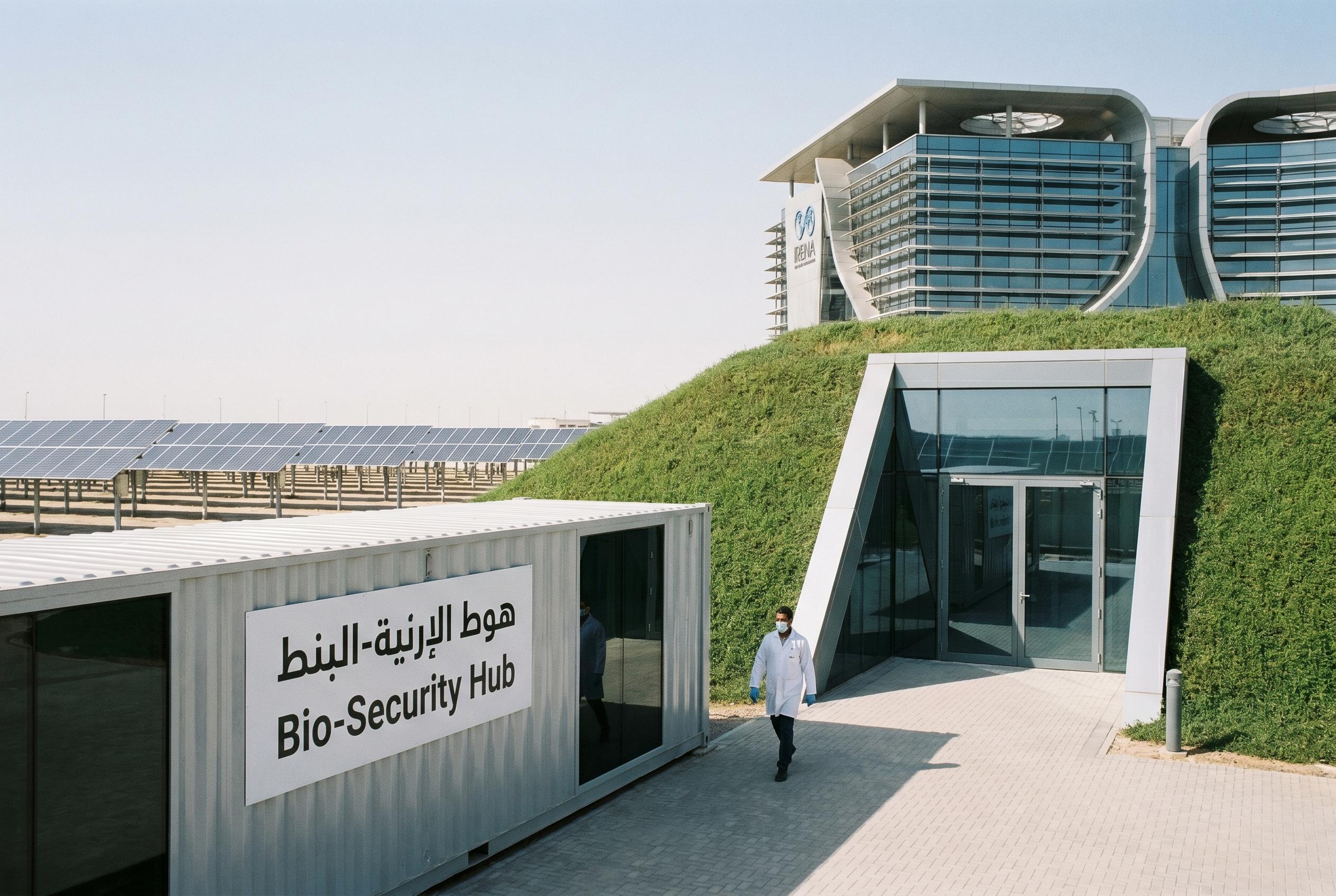
Shoppers of ideas and sovereign strategists are watching as Abu Dhabi and a biotech start-up team up to turn human biology into a structured, usable data layer , a move that could remake healthcare, biosecurity and industrial biotech across the UAE and beyond. It’s a trending, long-term bet on Medicine 3.0 and national resilience.
Essential Takeaways
- Strategic alliance: Aram Group has taken an equity stake in Prepaire Labs to build sovereign biological infrastructure across the UAE.
- What’s being built: Plans include biological data centres, AI diagnostic hubs, Digital Twin healthcare platforms and multi-omics processing facilities.
- Flagship node: First major deployment targets the IRENA Lighthouse in Masdar City as a high-throughput biological intelligence facility.
- Platform depth: Prepaire’s stack merges genomics, proteomics, metabolomics, microbiome and wearable data into continuously learning Digital Twins.
- Why it matters: Structuring biological data is pitched as a new infrastructure class , useful for healthcare, national resilience, biosecurity and advanced manufacturing.
A bold hook: biology as the next infrastructure class
Imagine a data centre that stores and processes DNA the way cloud providers handle files, except it learns and updates with each new sample , that’s the basic idea behind the Aram–Prepaire alliance, and it comes with a pleasantly clinical hum: stainless steel, sequencers and the soft chatter of machines. According to announcements made at Make it in the Emirates 2026, Aram Group’s capital and real estate heft is being combined with Prepaire Labs’ AI-driven biological operating system to build what they call biological intelligence systems. Emirates publications and industry briefings have flagged this as a deliberate move to place the UAE at the forefront of Medicine 3.0.
From sequencing racks to sovereign biosecurity: the backstory
The deal grew out of a wider push to industrialise and localise advanced capabilities in the UAE. Aram Group brings balance-sheet scale and strategic property; Prepaire brings software architecture , Digital Twins, federated learning and multi-omics pipelines. Reports indicate the partnership will not only set up sequencing and diagnostic hubs but also standardise instrumentation and workflows through lab accreditation networks, so data and assays can be trusted across sites. That standardisation is crucial if the country wants to rely on its own biological systems for health and security.
What the infrastructure looks like in practice
Expect several components to appear across the country: biological data centres for storing and processing omics data, AI-powered diagnostic and validation hubs for rapid testing, and Digital Twin-enabled healthcare platforms that model individuals and populations. The first flagship node is slated for the IRENA Lighthouse in Masdar City and is described as a high-throughput biological intelligence node that integrates sequencing, diagnostics and AI inference. For researchers and clinicians this means faster turnarounds and an easier path to validated, reproducible results.
Why Digital Twins matter , and how they’ll be used
Prepaire’s Digital Twin concept treats biology as a computable, structured data layer: genomics, proteomics, metabolomics, microbiome reads and wearable signals feed continuous models that evolve with new inputs. The practical payoff is personalised care and predictive insights , for example, early disease signals, treatment response modelling or population-level surveillance. Industry write-ups also highlight tools such as GenetiQ, Prepaire’s Medicine 3.0 platform, and HAiLO knowledge graphs, which are designed to turn messy biological signals into actionable intelligence.
What this means for healthcare, industry and national resilience
There’s a strategic logic here. Nations that can securely house and operationalise biological data gain clinical advantages and improved biosecurity readiness. The UAE’s combination of regulatory agility, investment firepower and modern infrastructure makes it a plausible launchpad for such a category. Observers suggest the initiative could accelerate advanced manufacturing , think biologics and cell-based products , while offering quicker epidemic response and stronger sovereign control over sensitive health data.
How to think about risks and practical implications
It’s worth noting this is as much about policy and governance as it is about tech. Building federated systems, accreditation networks and secure storage demands strong data protection and transparent oversight. For clinicians and lab managers, the immediate choices will be about compatibility and standards: which assays to run, how to validate AI inferences, and how to integrate Digital Twins into care pathways. For patients, the promise is better-tailored care; for regulators, the job is to balance innovation with privacy and safety.
It’s a small change that could make every biomedical dataset more useful , and every health system a bit smarter.
Source Reference Map
Story idea inspired by: [1]
Sources by paragraph: