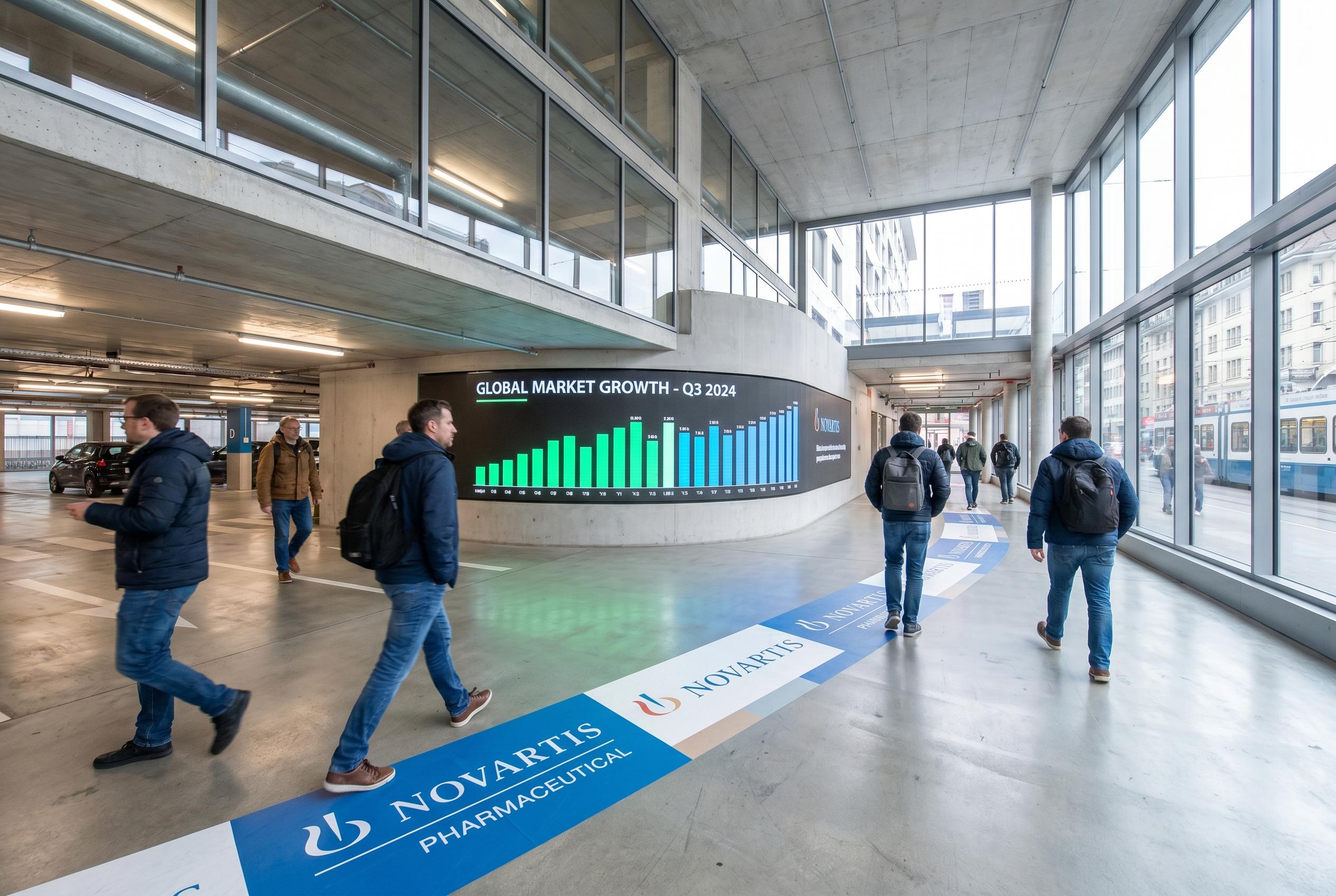
Shoppers and clinicians are noticing a real shift: pharmaceutical companies are racing to use AI, precision medicine and smarter manufacturing to meet growing global healthcare needs, and the result matters for patients, payers and investors alike. This story looks at who’s leading the change, what it means, and practical takeaways for anyone tracking drug innovation.
Essential Takeaways
- Market scale: The global pharmaceutical market was about USD 1.74 trillion in 2025 and is forecast to approach USD 2.78 trillion by 2033, signalling sustained growth.
- AI impact: Artificial intelligence is shortening research timelines, improving molecule design and helping predict clinical outcomes, though adoption varies by company and region.
- Precision pivot: Oncology, immunology and gene therapies are driving a move toward highly targeted drugs, with biomarkers and genomics guiding treatment choices.
- Supply resilience: Firms are regionalising manufacturing, investing in local API production and adopting continuous processes for greater stability.
- Trials go digital: Decentralised trials, wearables and real‑world evidence are making studies faster, more inclusive and more data-rich.
Why pharmaceutical growth is becoming decisive now
The numbers are striking: expanding chronic and infectious disease burdens are creating steady demand for new therapies, and companies are responding. Industry observers note a blend of rising need and technological possibility , the market isn’t just bigger, it’s changing shape. You can feel it in boardrooms where R&D timelines are being questioned, and in labs where screening used to take months and now finishes in weeks. For patients, that means more options sooner; for investors, more bets on platform technologies.
AI is the new lab assistant , with caveats
AI is transforming early discovery, from molecule design to target identification, and firms report faster iteration and lower cost per candidate. According to industry analysis, generative and machine‑learning models are moving beyond gimmickry into practical tools that prioritise promising compounds and forecast clinical risks. Yet adoption is uneven: some big players have mature AI stacks, while others are still testing pilots. Practical tip: look for companies that combine domain expertise with robust data pipelines , that’s where AI delivers measurable returns.
Precision medicine: smaller populations, bigger impact
The industry’s focus has shifted from blockbuster, one‑size‑fits‑all drugs to biomarker‑driven, highly targeted therapies. Oncology and immunology pipelines are crowded with personalised approaches, and gene and cell therapies promise durable benefits for specific patient groups. This helps patients receive treatments that work for them, but raises complexity and cost in development. If you’re evaluating a treatment or a company, check whether their trials include stratified patient cohorts and genomic endpoints , that’s a sign they’re serious about precision.
Reinventing supply chains and modernising manufacturing
Recent global disruptions pushed pharma to rethink where and how medicines are made. Companies are regionalising production, boosting local active pharmaceutical ingredient capacity and adopting continuous manufacturing to cut lead times. The trade‑off is higher near‑term cost for longer‑term resilience and speed. For healthcare systems, this could mean fewer shortages and more predictable supply; for manufacturers, it means investing in automation and smart factories to stay competitive.
Clinical trials: decentralised, patient‑centric and richer in data
Trials are becoming less anchored to a clinic and more woven into daily life, thanks to remote monitoring, wearables and digital recruitment tools. Real‑world evidence is increasingly acceptable to regulators when paired with strong analytics, and digital twins or simulated cohorts are being explored to reduce failure rates. For patients, that often means lower travel burden and broader access; for sponsors, faster enrolment and higher‑quality datasets. Practical advice: when assessing a trial, look at its mix of remote endpoints and real‑world measures , that balance often predicts both inclusivity and regulatory readiness.
What this means going forward , and how to think about risk
Pharma is converging data, biology and digital tools into integrated innovation systems. Expect continued growth in biologics, GLP‑1 type therapies, and personalised modalities, alongside greener chemistry and decentralised trials. But complexity grows too: specialised therapies need targeted diagnostics, and digital tools require strong data governance. My take: winners will be organisations that blend scientific depth with flexible manufacturing and transparent data practices. For patients and clinicians, the payoff should be better outcomes delivered more reliably.
It's a small change that can make every treatment smarter and more accessible.
Source Reference Map
Story idea inspired by: [1]
Sources by paragraph: