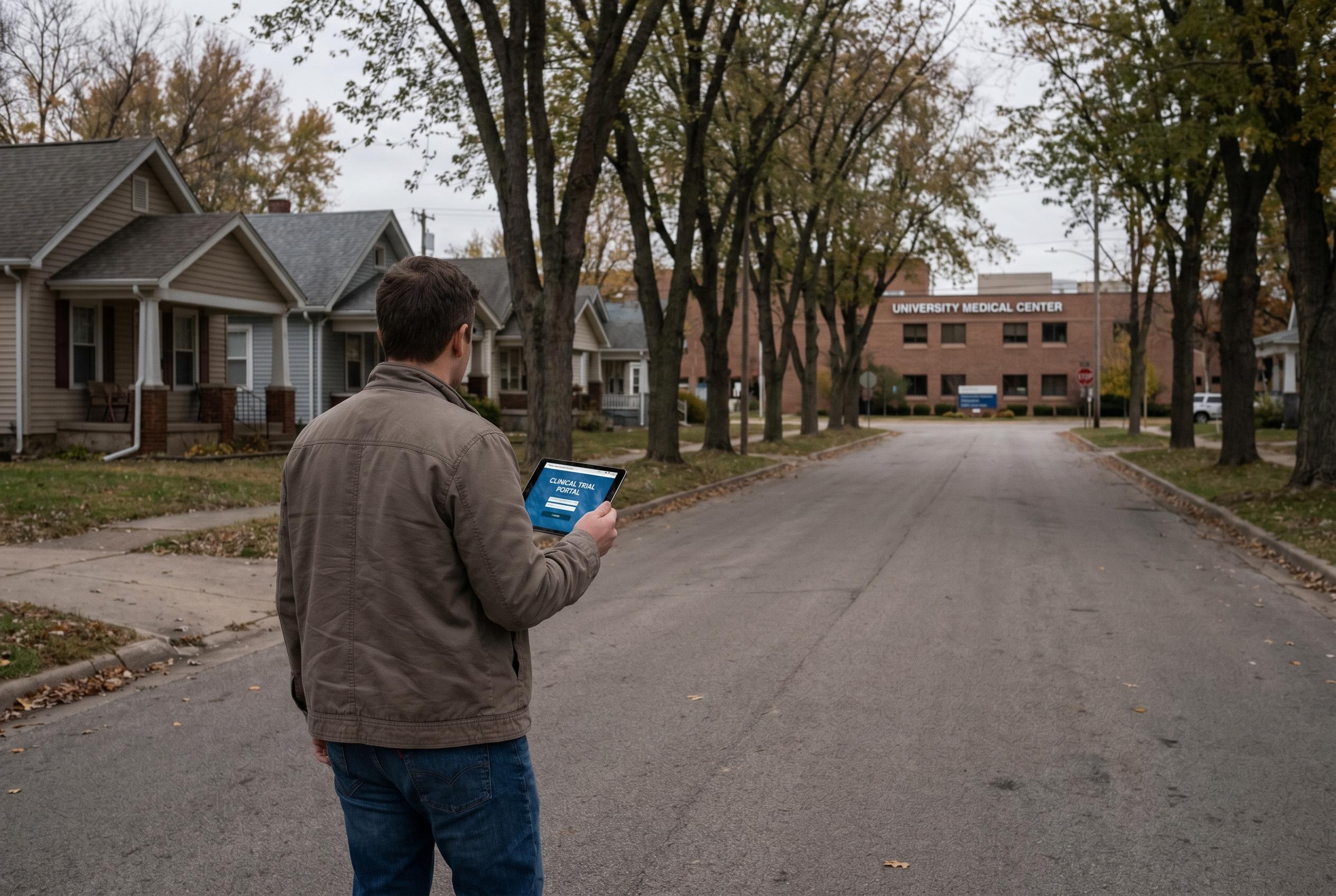
Shoppers and patients alike are looking for trials that fit real lives, not the other way around. Clinical trial leaders, sites and families are rethinking design and delivery so participation is easier, safer and more meaningful , and that matters because it directly affects who benefits from new therapies.
Essential Takeaways
- Patient-centred focus: Trials designed around people improve recruitment, retention and real-world relevance.
- Reduce the burden: Remote visits, fewer clinic trips, and clearer information make participation more feasible and less stressful.
- Site support matters: Investing in site resources and streamlined workflows keeps studies on track and staff less burnt out.
- Technology helps , cautiously: Wearables, connected devices and AI can speed up trials and link data, but they must be validated and user-friendly.
- Equity and access: Broader outreach and simplified procedures can help include underrepresented groups and improve results.
Why putting the person at the centre changes everything
Start with a simple truth: trials aren’t abstract experiments, they’re choices families make. When participants feel seen and supported , from clear consent conversations to reasonable visit schedules , they’re likelier to stay involved and share better-quality data. Johns Hopkins explains that understanding motivations and barriers is key to recruitment and retention, and that empathy in communication goes a long way. Practical tip: ask patient advisers early and iterate consent materials until they read like a conversation.
How design tweaks reduce real-world barriers
Trials have grown more complicated, and that complexity often means more trips, more tests and more paperwork for people who are already unwell. Evidence shows that decentralised elements , remote monitoring, home nursing, or local lab options , reduce dropout and widen eligibility. A smart rule of thumb: map a participant’s week and cut anything that doesn’t add clear scientific value. Sites tell us simpler protocols also ease staff workload, which keeps operations smoother.
Technology can connect data , but usability wins
Wearables, eDiaries and connected devices offer continuous insight and fewer clinic visits, while AI promises faster trial set-up and smarter monitoring. Studies indicate these tools boost data density and can detect subtle changes earlier. Still, devices must be comfortable, battery-friendly and easy to use for people of all ages. Practical advice: pilot digital tools with a small, diverse group before scaling and provide in-person or phone tech support.
Sites need resources, not just expectations
Investigative sites shoulder heavy demands: regulatory paperwork, patient care, and tight timelines. Burnout and capacity limits are real threats to recruitment and quality. Investing in site training, dedicated coordinators and automation for routine tasks makes a measurable difference. According to clinical operations leaders, partnering with sites to co-design workflows brings faster enrolment and fewer protocol deviations. If you’re a sponsor, budget for site enablement , it’s not optional.
Equity and access: who we include shapes the answers we get
Underrepresentation in trials skews results and limits who benefits from new treatments. Removing barriers , transport reimbursement, flexible visit windows, translated materials, and outreach through trusted community providers , helps diversify participation. Research reviews highlight that culturally tailored recruitment increases trust and uptake. A modest but effective step: offer multiple ways to consent and communicate, so people can pick what suits them best.
Starting a career in clinical research? Keep patients in view
Veterans in the field often say the most rewarding moments come from seeing patients benefit. For newcomers, grounding daily tasks in the bigger purpose keeps motivation high. Learn from patient advocates, spend time in clinic settings, and remember that every CRF line ties back to a person. That perspective not only improves empathy but leads to better protocol decisions.
It's a small change that can make every trial more humane, useful and successful.
Source Reference Map
Story idea inspired by: [1]
Sources by paragraph: