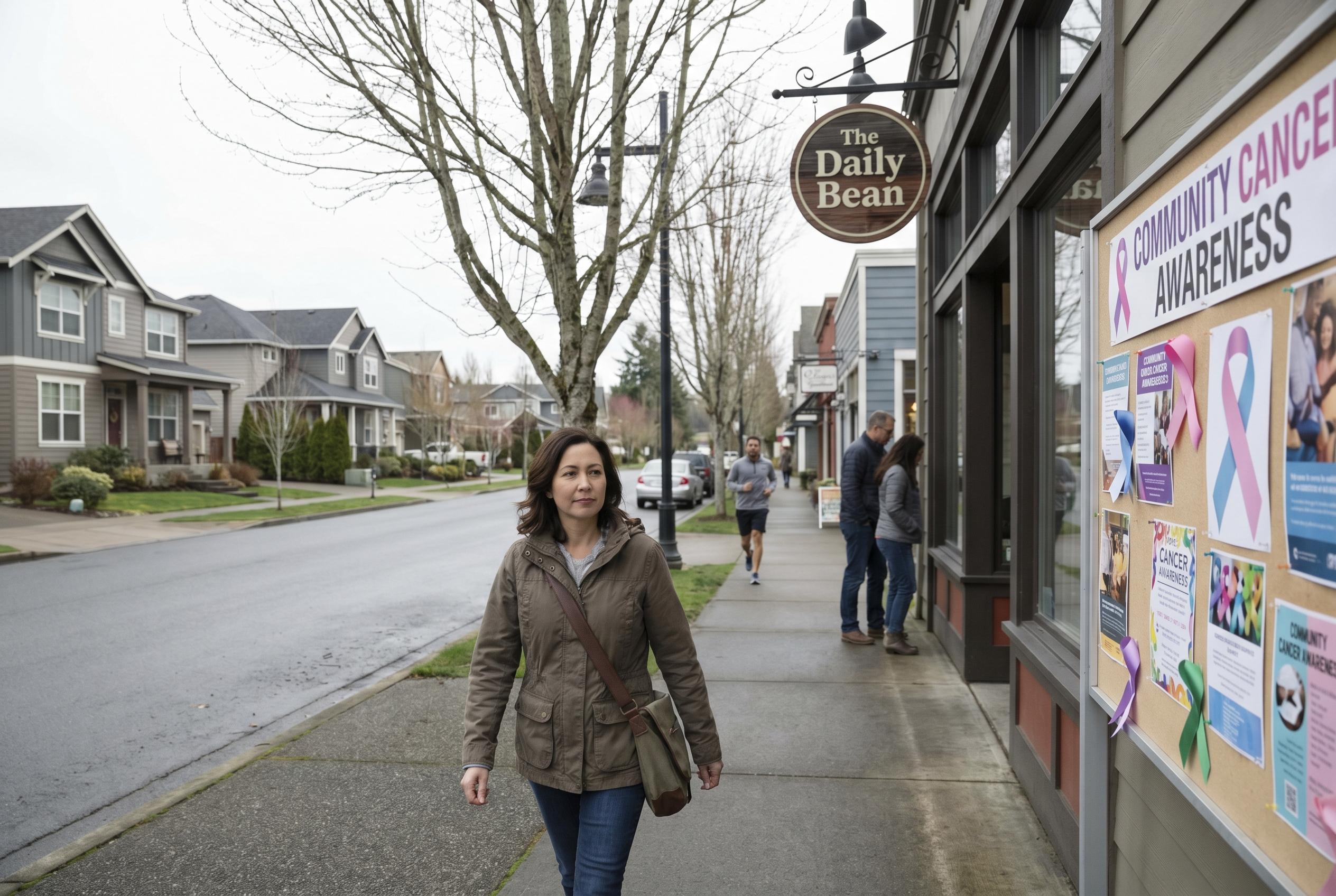
Shoppers for better care are choosing information: patients, clinicians and advocates across the UK and beyond are seeing 2026 as a turning point in breast cancer care , from AI that spots sneaky tumours earlier to genetic tests that level the playing field. Here’s what’s changed and why it matters for your decisions.
Essential Takeaways
- AI-assisted screening: Studies show AI can raise detection rates and cut later-stage diagnoses, so mammograms may find cancers sooner and less aggressively.
- Genomic testing impact: Targeted genetic profiling helps tailor treatment and is narrowing survival gaps between racial groups.
- Targeted therapies rising: Antibody-drug conjugates and similar drugs deliver chemo directly to tumours, often with fewer systemic side effects.
- New hormone options: Oral hormonal agents are reducing recurrence risk in hormone receptor–positive disease.
- Practical consequence: More choices mean patients need clear, personalised guidance to pick the best path.
AI is spotting cancers earlier , and that’s a tactile relief
The headline here is simple: AI is acting like a sharp-eyed colleague, picking up cancers that can otherwise slip through routine reading, and that has an immediate, almost physical reassurance for patients. Reports in The Lancet and clinical trial summaries indicate AI-augmented mammography increases detection and reduces later-stage finds, which usually means less aggressive treatment and more reconstructive options. According to Reuters and Drugs.com coverage, the technology can catch subtle patterns and microcalcifications that human readers might miss. For you, that suggests asking whether your screening service uses AI, and if it does, how results are integrated into the clinical review process. Clinics that pair AI with expert radiologist review tend to offer the best of both worlds , speed without losing the human judgement you’ll want for decisions.
Genomic testing is changing who survives and how
Genetic and genomic profiling isn’t just a niche add-on anymore; it’s becoming a core tool that directs therapy. Recent studies point to genomic biomarkers helping clinicians pick therapies that substantially improve outcomes, and, importantly, shrink survival disparities between different population groups. That’s the kind of progress that turns statistics into human stories , women getting the therapy they truly need rather than a one-size-fits-all plan. In practice, if your tumour is tested and shows actionable mutations or high-risk features, your treatment team can consider targeted drugs instead of defaulting to standard chemo. If you haven’t been offered genomic testing, it’s reasonable to ask why and what the results would mean for your care.
Targeted therapies: the guided missiles of oncology
Antibody-drug conjugates and other targeted agents read like sci-fi but feel very practical in clinic: they deliver toxic drugs precisely to cancer cells, sparing more healthy tissue and often reducing the blunt-force side effects of conventional chemotherapy. Reports and trial summaries show improved survival for aggressive subtypes, including forms that historically had few options. For patients, that can mean fewer days wiped out by chemo and more energy to get through treatment. When discussing therapy, ask about eligibility for antibody-drug conjugates, side-effect profiles, and how these drugs fit with surgery or radiation plans.
A new hormone pill that cuts recurrence risk
For people with hormone receptor–positive breast cancer, a recent oral therapy has shown meaningful reductions in recurrence risk. That’s vital because preventing a return of cancer is one of the biggest anxieties survivors live with. The drug’s profile suggests it could become part of routine adjuvant therapy, but as with any new agent, long-term follow-up and cost considerations will shape rollout. If you’re on endocrine therapy or about to start, discuss with your oncologist whether the new option is suitable, how it compares to existing treatments, and what monitoring will look like.
Turning breakthroughs into decisions you can live with
All of this progress brings choice, and choice can be both empowering and exhausting. Patients now juggle options from AI-informed screening to genomic-led therapies and novel drugs with different side-effect mixes. That’s why clear, personalised guidance matters more than ever. Tools and apps that summarise evidence, clarify trade-offs, and help prepare questions for appointments can be useful , but they don’t replace a good conversation with your clinician. Practical steps: gather your pathology and imaging reports, ask for genomic profiling if relevant, check whether your screening provider uses AI, and request plain-language explanations of how a proposed treatment will affect daily life.
Looking ahead: smarter, fairer, more personal care
The trend is unmistakable , technology and molecular science are steering breast cancer care away from blunt instruments and toward precision. That promises better outcomes, fewer side effects and, crucially, more equitable care when tests and treatments are accessible. Still, real-world impact depends on implementation: who gets tested, where new drugs are funded, and how shared decision-making is supported in clinics. Expect the next few years to be about rolling out these tools responsibly and ensuring that patients can use them to make choices that suit their lives.
It's a small change that can make every step of treatment feel more informed and more humane.
Source Reference Map
Story idea inspired by: [1]
Sources by paragraph: