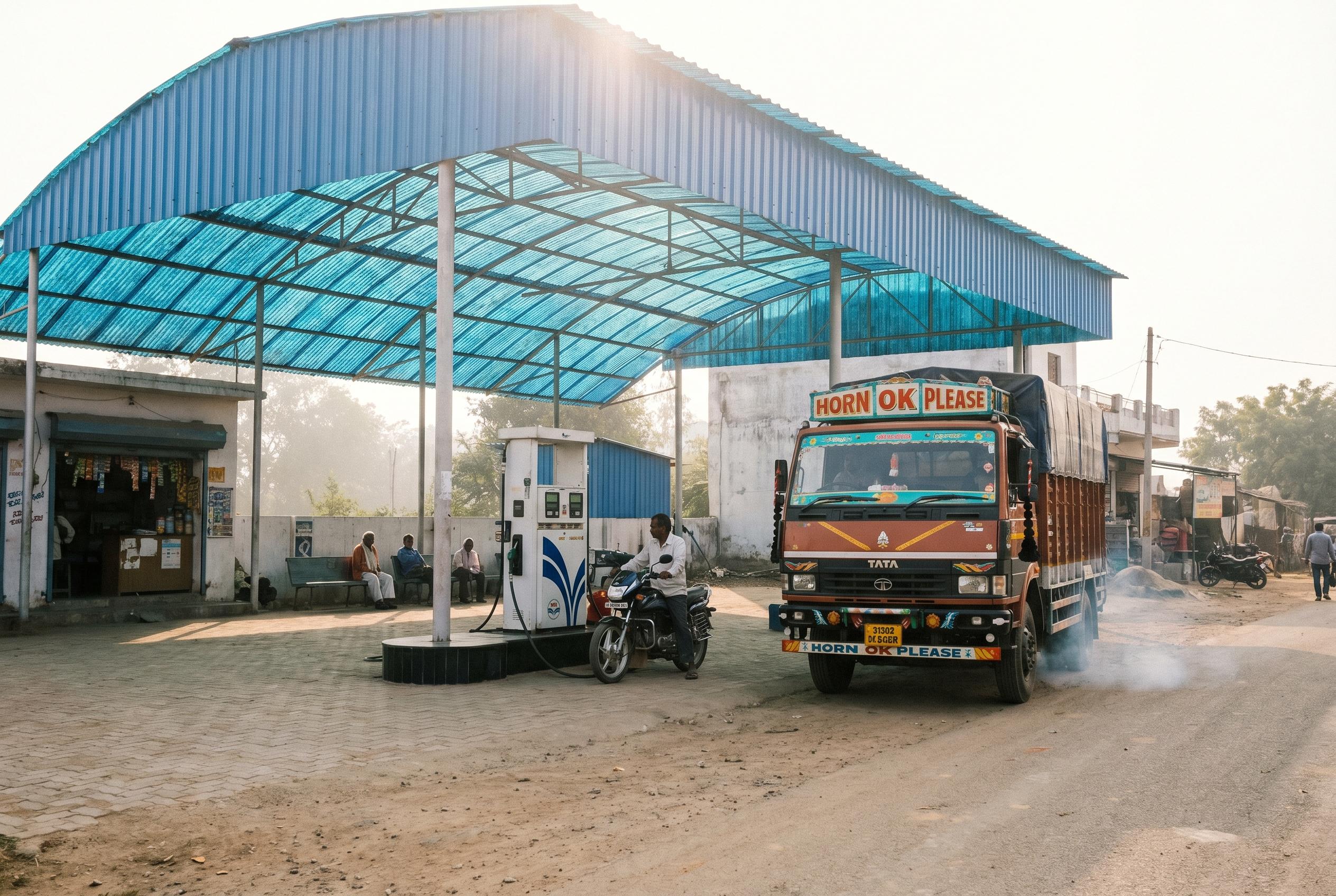
Asian currencies including the Indian rupee, Indonesian rupiah, and Philippine peso face renewed pressure amid rising oil prices due to the Iran war, exposing vulnerabilities in the region's dependence on imported energy and challenging policymakers’ efforts to stabilise their economies.
Asian currencies are coming under renewed strain as the Iran war pushes oil higher and investors reassess the region’s exposure to imported energy. The Indian rupee, Indonesian rupiah and Philippine peso have all weakened sharply, with analysts warning that economies reliant on overseas fuel supplies are feeling the shock first and hardest, according to Reuters-style accounts and market reports.
For India and Indonesia, the pressure is especially acute because both countries run persistent external vulnerabilities and depend heavily on imported crude. As oil has surged above $120 a barrel, central banks have been left trying to contain inflation, steady capital flows and prevent a more damaging sell-off in their currencies, while also avoiding a sharper hit to growth.
In India, the Reserve Bank has been using its foreign-exchange reserves and tighter controls on forward-market activity to slow the rupee’s slide, while also asking banks to rein in dollar exposure. The currency has continued to probe record lows, underscoring how difficult it has become to defend the exchange rate without draining policy ammunition.
Indonesia’s authorities face a similar dilemma. Bank Indonesia has signalled that it is prepared to tighten policy further if needed, even as investors sell local bonds and the rupiah weakens towards levels last seen during the Asian financial crisis. That leaves policymakers balancing currency stability against the risk of choking off already fragile domestic demand.
The wider backdrop is a region where the Strait of Hormuz matters enormously. Recent analyses have highlighted that a large share of Asia’s oil arrives through the chokepoint, making the region unusually exposed to any prolonged disruption. That vulnerability is now showing up in exchange rates, with traders increasingly pricing in the risk that several Asian currencies may need to absorb more of the shock if the conflict drags on.
Japan has not been spared. The yen has swung sharply as authorities signalled they may step in to curb disorderly moves, with officials saying decisive action could be necessary. But currency strategists caution that intervention alone rarely changes the broader trend unless the underlying drivers, including the dollar’s strength and energy costs, also begin to ease.
More broadly, economists say the region is now confronting a familiar but more dangerous mix: imported inflation, capital outflows and pressure on fiscal accounts. The concern is not only that weaker currencies make oil more expensive, but that the feedback loop between energy costs, inflation and growth could deepen if the war persists, leaving Asian policymakers with fewer good options than they had at the start of the crisis.
Source Reference Map
Inspired by headline at: [1]
Sources by paragraph:
Source: Noah Wire Services
Noah Fact Check Pro
The draft above was created using the information available at the time the story first
emerged. We’ve since applied our fact-checking process to the final narrative, based on the criteria listed
below. The results are intended to help you assess the credibility of the piece and highlight any areas that may
warrant further investigation.
Freshness check
Score:
8
Notes:
The article was published on May 1, 2026, and references recent events, including the Iran war and its impact on Asian currencies. ([asiatimes.com](https://asiatimes.com/2026/05/asian-currencies-wilting-in-the-iran-wars-heat/?utm_source=openai)) Similar narratives have appeared in reputable sources like Bloomberg and Forbes, with publication dates ranging from April 30 to May 1, 2026. ([bloomberg.com](https://www.bloomberg.com/news/articles/2026-04-30/record-lows-sweep-asian-currencies-as-oil-spike-revives-risks?srnd=phx-industries&utm_source=openai)) This suggests the content is current and not recycled. However, the presence of similar reports across multiple outlets indicates a high level of coverage on this topic, which may affect the originality score.
Quotes check
Score:
7
Notes:
The article includes direct quotes attributed to Reuters-style accounts and market reports. However, the specific sources of these quotes are not provided, making independent verification challenging. Without access to the original Reuters reports or market analyses, it's difficult to confirm the accuracy and context of these quotes.
Source reliability
Score:
6
Notes:
The article originates from Asia Times, a niche publication. While it provides detailed analyses, its reach and reputation are more limited compared to major news organisations. The lack of direct attribution to primary sources or original reporting raises concerns about the reliability of the information presented.
Plausibility check
Score:
8
Notes:
The claims about Asian currencies weakening due to the Iran war and rising oil prices are plausible and align with reports from other reputable sources. ([bloomberg.com](https://www.bloomberg.com/news/articles/2026-04-30/record-lows-sweep-asian-currencies-as-oil-spike-revives-risks?srnd=phx-industries&utm_source=openai)) However, the article's reliance on unspecified Reuters-style accounts and market reports without direct attribution makes it difficult to fully assess the accuracy of these claims.
Overall assessment
Verdict (FAIL, OPEN, PASS): FAIL
Confidence (LOW, MEDIUM, HIGH): MEDIUM
Summary:
The article presents plausible claims about the impact of the Iran war on Asian currencies, supported by similar reports from other reputable sources. However, the lack of direct attribution to primary sources, reliance on unspecified Reuters-style accounts, and the niche nature of the publication raise significant concerns about the reliability and independence of the information presented. ([bloomberg.com](https://www.bloomberg.com/news/articles/2026-04-30/record-lows-sweep-asian-currencies-as-oil-spike-revives-risks?srnd=phx-industries&utm_source=openai))