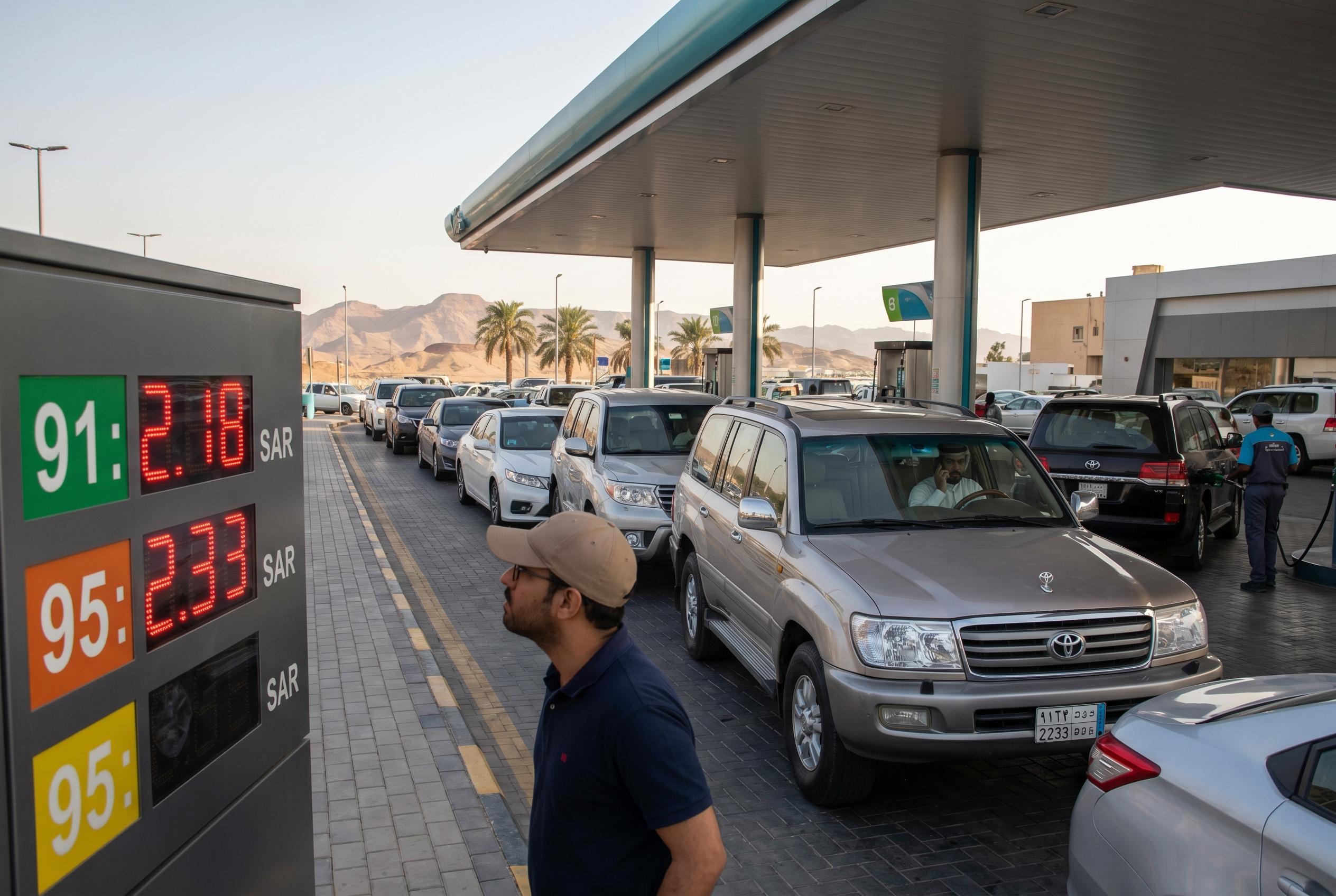
Goldman Sachs has significantly upgraded its oil-price outlook, citing persistent disruptions in Middle East crude flows that could push Brent crude to $90 a barrel in Q4 and potentially as high as $120 if the supply constraints persist, risking global recession and impacting emerging economies.
Goldman Sachs has sharply lifted its oil-price outlook, saying the disruption to crude flows from the Middle East could keep global supply under pressure well into the end of the year. In comments to Bloomberg, Daan Struyven, the bank’s co-head of global commodities research, said Goldman no longer expects an abrupt normalisation in Persian Gulf exports and now sees only about 90% of regional production recovered by December.
Struyven said the shortfall could remove about two billion barrels of Persian oil production cumulatively by year-end, arguing that the loss would amount to a substantial hit to global inventories. He told Bloomberg the bank now expects Brent crude to reach $90 a barrel in the fourth quarter, a steep increase from its earlier call, and said prices could move even higher if demand does not weaken enough to offset the supply shock.
The bank’s latest warning sits in marked contrast to some of its more cautious 2026 oil calls earlier in the year. In March, Bloomberg reported that Goldman had already raised its full-year forecasts, then citing the Strait of Hormuz disruption as the largest supply shock ever seen in the crude market. But other market notes and reports from Investing.com and BOE Report later this year showed Goldman leaning back towards a lower-price view for 2026, with forecasts around $56 for Brent and $52 for West Texas Intermediate as OPEC+ unwound cuts and non-OPEC production continued to rise.
Struyven also sketched out a harsher scenario in which Brent could climb to $120 in the fourth quarter if Persian Gulf export flows remain constrained for longer or damage is inflicted on production capacity. He said that outcome would raise recession risks, particularly for emerging markets, parts of Asia, Africa and some European economies. At the time of publication, Daily Hodl said Brent was trading at $117 a barrel, underscoring how quickly geopolitical risk had begun to reprice the market.
Source Reference Map
Inspired by headline at: [1]
Sources by paragraph:
Source: Noah Wire Services
Noah Fact Check Pro
The draft above was created using the information available at the time the story first
emerged. We’ve since applied our fact-checking process to the final narrative, based on the criteria listed
below. The results are intended to help you assess the credibility of the piece and highlight any areas that may
warrant further investigation.
Freshness check
Score:
7
Notes:
The article was published on May 1, 2026. The earliest known publication date of substantially similar content is April 27, 2026, in a Bloomberg article titled 'Goldman Hikes Oil Forecasts Again as ‘Hormuz Shock’ Builds'. ([bloomberg.com](https://www.bloomberg.com/news/articles/2026-04-27/goldman-hikes-oil-price-forecasts-on-extreme-inventory-draws?utm_source=openai)) The Daily Hodl article appears to be based on this Bloomberg report, indicating a high freshness score. However, the Daily Hodl's reliance on Bloomberg raises concerns about source independence.
Quotes check
Score:
6
Notes:
The article includes direct quotes attributed to Daan Struyven, co-head of global commodities research at Goldman Sachs. These quotes are consistent with those in the Bloomberg article from April 27, 2026. However, the Daily Hodl article does not provide a direct link to the Bloomberg source, making independent verification challenging. The lack of direct access to the original Bloomberg article raises concerns about the verifiability of the quotes.
Source reliability
Score:
5
Notes:
The Daily Hodl is a niche publication with limited reach and is not a major news organisation. The article appears to be summarising content from Bloomberg, which is a reputable source. However, the lack of direct access to the Bloomberg article and the Daily Hodl's limited reach raise concerns about the source's reliability.
Plausibility check
Score:
7
Notes:
The claims about Goldman Sachs' oil price forecasts and the impact of Middle East tensions on global oil supply are plausible and align with known market dynamics. However, the lack of direct access to the original Bloomberg article and the Daily Hodl's limited reach raise concerns about the verifiability of the claims.
Overall assessment
Verdict (FAIL, OPEN, PASS): FAIL
Confidence (LOW, MEDIUM, HIGH): MEDIUM
Summary:
The article summarises content from a Bloomberg report, but the lack of direct access to the original Bloomberg source and the Daily Hodl's limited reach raise concerns about the content's originality, independence, and verifiability. The reliance on a single source without independent verification makes it difficult to fully assess the accuracy and reliability of the claims.