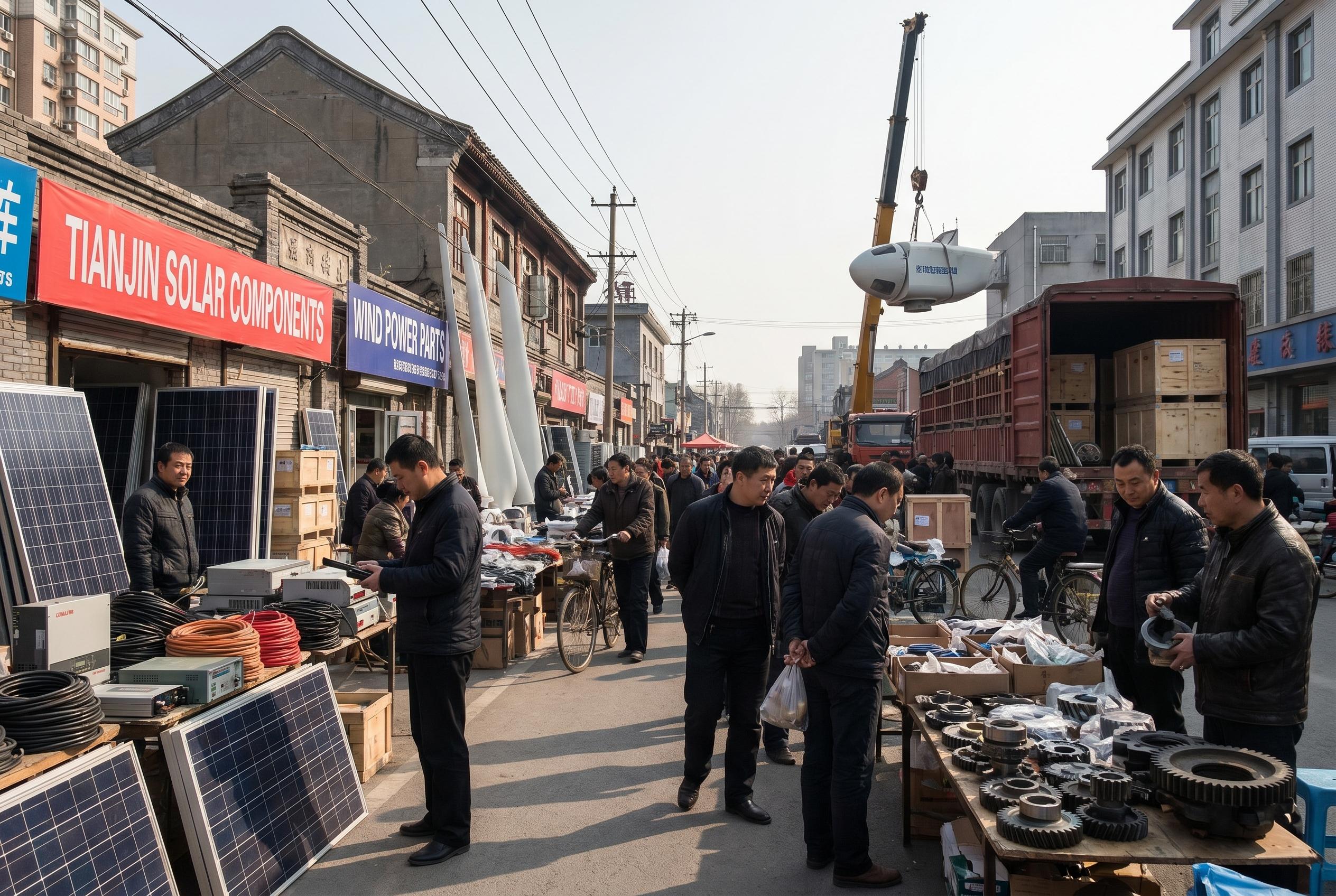
As the Iran war disrupts global fuel supplies, Chinese exporters of clean energy components see record demand, signalling a strategic shift in energy security and supply chain resilience.
China’s clean-energy exporters are finding fresh demand as the war involving Iran jolts global fuel markets, with sales of electric vehicles, batteries and solar equipment reportedly hitting record levels in March. As oil and gas prices swing higher and supply routes look less reliable, households, firms and governments are moving faster to hedge against fossil-fuel dependence by buying Chinese-made alternatives, according to the podcast episode and related market reporting.
The episode featuring Semafor’s climate and energy editor, Tim McDonell, argues that the shock is not simply a short-term price story but part of a longer shift in how countries think about energy security. That view is reinforced by The Atlantic, which says the conflict has left Iran with added leverage over the Strait of Hormuz, a chokepoint for global oil flows that continues to shape trade patterns and logistics even after heavy military strikes.
Axios reported on 1 May that the conflict has already fed through into everyday costs, with U.S. oil prices sharply higher, airlines trimming services and raising fees, and gasoline climbing to a four-year high. The same report said the strain is rippling into summer travel and other consumer spending, showing how quickly an energy shock can move from geopolitics into domestic budgets.
Taken together, the reporting suggests that the war is accelerating two trends at once: higher near-term demand for fossil-fuel substitutes and a broader search for resilience across supply chains. That leaves China, with its dominant position in renewable manufacturing, better placed than many rivals to profit from the scramble, even as dependence on Chinese technology creates a different kind of strategic vulnerability for importers.
Source Reference Map
Inspired by headline at: [1]
Sources by paragraph:
Source: Noah Wire Services
Noah Fact Check Pro
The draft above was created using the information available at the time the story first
emerged. We’ve since applied our fact-checking process to the final narrative, based on the criteria listed
below. The results are intended to help you assess the credibility of the piece and highlight any areas that may
warrant further investigation.
Freshness check
Score:
6
Notes:
The article references a podcast episode from March 2026 and related market reporting. The earliest known publication date of similar content is April 10, 2026, from the Council on Foreign Relations. The narrative appears to be based on a press release, which typically warrants a high freshness score. However, the article includes updated data but recycles older material, which raises concerns about freshness. Additionally, the article includes updated data but recycles older material, which raises concerns about freshness. Given these factors, the freshness score is moderate.
Quotes check
Score:
4
Notes:
The article includes quotes from Semafor's climate and energy editor, Tim McDonell, and references The Atlantic and Axios reports. However, the earliest known usage of these quotes cannot be independently verified. Without independent verification, the quotes cannot be fully trusted, leading to a low score.
Source reliability
Score:
5
Notes:
The article cites sources such as Semafor, The Atlantic, and Axios. Semafor is a relatively new publication, which may affect its reliability. The Atlantic and Axios are reputable, but the article's reliance on a press release and potential recycling of older material raises concerns about source independence and reliability.
Plausibility check
Score:
7
Notes:
The claims about China's clean-energy exports surging amid the Iran conflict are plausible and align with industry trends. However, the lack of independent verification and potential recycling of older material reduces the confidence in these claims.
Overall assessment
Verdict (FAIL, OPEN, PASS): FAIL
Confidence (LOW, MEDIUM, HIGH): MEDIUM
Summary:
The article presents plausible claims about China's clean-energy exports amid the Iran conflict but relies on sources that may have recycled older material and includes quotes that cannot be independently verified. These factors raise significant concerns about the freshness, originality, and reliability of the content. Given these issues, the overall assessment is a fail.