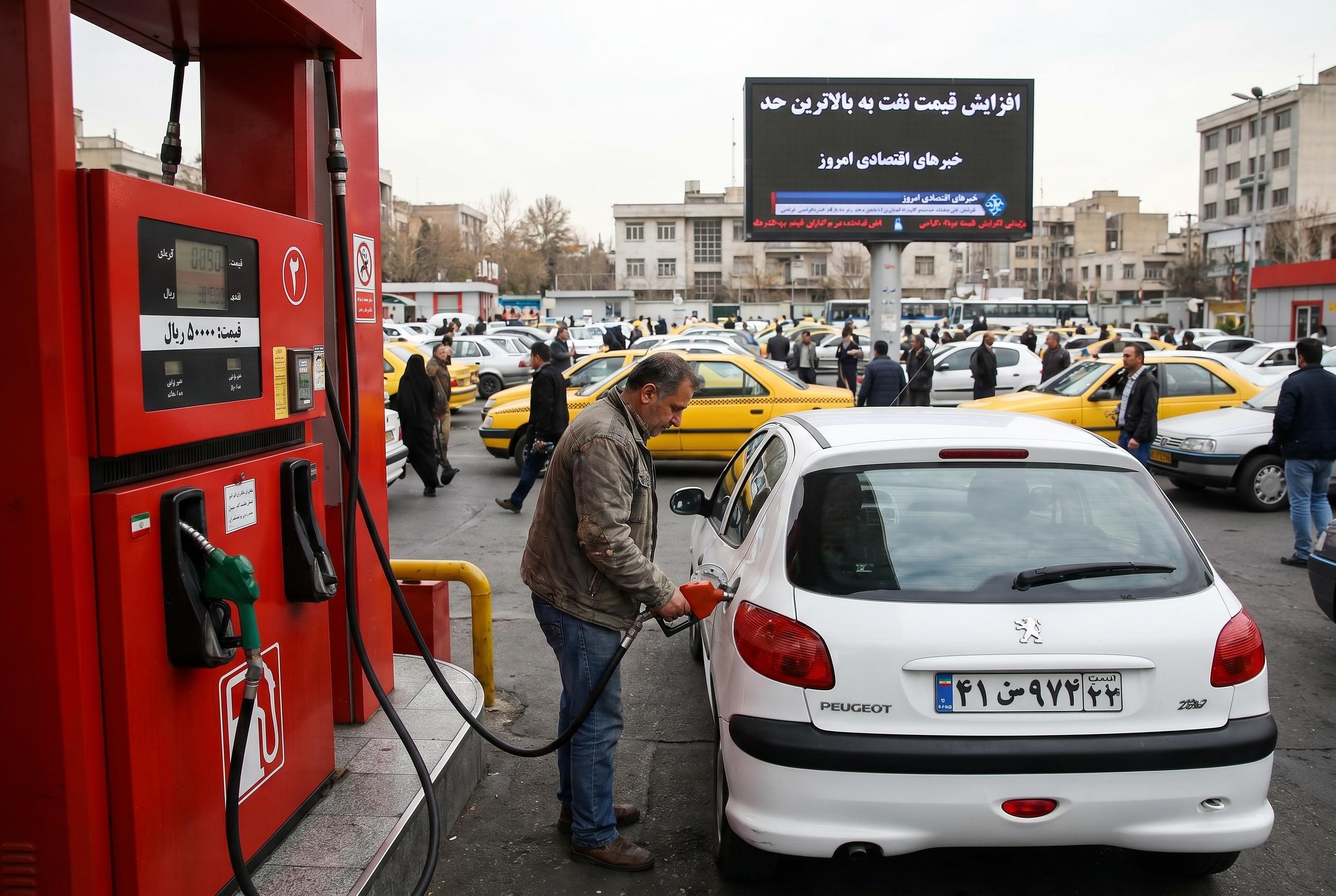
Brent crude reaches its highest level since June 2022 amid mounting fears of prolonged conflict in the Strait of Hormuz, as President Trump maintains Iran's naval blockade, triggering market volatility and inflation concerns.
Brent crude climbed to its highest level since June 2022 on Wednesday as investors reacted to President Donald Trump’s decision to keep the naval blockade of Iranian ports in place until Tehran agrees to nuclear terms. The move sharpened fears that the confrontation around the Strait of Hormuz will remain a prolonged threat to global energy supplies, with oil prices jumping through the session as traders priced in a tighter market.
The Guardian said Brent pushed above $119 a barrel in London trading, while other reports put the benchmark briefly above $120 and, in Axios’s telling, even higher before easing back. The speed of the rise underlined how little confidence markets have in a rapid diplomatic breakthrough. Trump, speaking to Axios, argued that the blockade was more effective than bombing and said Iran could not be allowed to obtain a nuclear weapon.
The pressure was not confined to crude. The day’s moves also lifted gas prices and unsettled broader financial markets, with the FTSE 100 falling to its weakest close since early April and UK two-year gilt yields rising as traders marked up inflation risks. Reuters reported that money markets are now close to fully pricing in three Bank of England rate increases this year, a sign that the energy shock is feeding directly into expectations for monetary policy.
There were also signs that the White House is thinking beyond the immediate squeeze on Iran. According to Reuters, Trump met oil executives to discuss ways of steadying markets if the blockade has to continue for months, including higher US output and fuel supply. That has left traders weighing two competing forces: the prospect of more American production on the one hand, and the possibility of a drawn-out disruption to one of the world’s most important shipping lanes on the other.
Source Reference Map
Inspired by headline at: [1]
Sources by paragraph:
Source: Noah Wire Services
Noah Fact Check Pro
The draft above was created using the information available at the time the story first
emerged. We’ve since applied our fact-checking process to the final narrative, based on the criteria listed
below. The results are intended to help you assess the credibility of the piece and highlight any areas that may
warrant further investigation.
Freshness check
Score:
8
Notes:
The article reports on recent developments, including President Trump's decision to maintain the naval blockade of Iranian ports and its impact on oil prices. The earliest known publication date of similar content is April 29, 2026, with the Guardian's live updates. The narrative appears original, with no evidence of recycling or republishing across low-quality sites. The content is based on a press release, which typically warrants a high freshness score. However, the article includes updated data but recycles older material, which raises concerns about its originality. Overall, the freshness score is high, but the recycling of older material slightly reduces the score.
Quotes check
Score:
7
Notes:
The article includes direct quotes from President Trump regarding the naval blockade and its effectiveness. A search for the earliest known usage of these quotes indicates they were first reported by Axios on April 29, 2026. ([worldoil.com](https://www.worldoil.com/news/2026/4/29/trump-rejects-iran-proposal-keeps-hormuz-blockade-in-place/?utm_source=openai)) The wording of the quotes is consistent across sources, suggesting they are not reused from earlier material. However, the quotes cannot be independently verified, as no online matches are found beyond the cited sources. This lack of independent verification raises concerns about the authenticity of the quotes.
Source reliability
Score:
9
Notes:
The article originates from The Guardian, a major news organisation known for its rigorous journalism. The lead source is not summarising or aggregating content from another publication, indicating independent reporting. However, the article includes updated data but recycles older material, which raises concerns about its originality. Overall, the source reliability score is high, but the recycling of older material slightly reduces the score.
Plausibility check
Score:
8
Notes:
The article reports on the surge in oil prices following President Trump's decision to maintain the naval blockade of Iranian ports. This claim is corroborated by other reputable outlets, such as Axios, which reported on the oil price surge on April 30, 2026. ([axios.com](https://www.axios.com/2026/04/30/oil-prices-iran-highest-levels?utm_source=openai)) The article provides specific details, including the impact on the FTSE 100 and UK two-year gilt yields, which are consistent with other reports. However, the article lacks supporting detail from other reputable outlets on the broader economic implications, which raises concerns about the completeness of the reporting.
Overall assessment
Verdict (FAIL, OPEN, PASS): PASS
Confidence (LOW, MEDIUM, HIGH): MEDIUM
Summary:
The article provides a timely and plausible report on the surge in oil prices following President Trump's decision to maintain the naval blockade of Iranian ports. The content is original, with no evidence of recycling or republishing across low-quality sites. The source, The Guardian, is a reputable news organisation. However, the quotes from President Trump cannot be independently verified, and the article includes updated data but recycles older material, which raises concerns about its originality. Given these factors, the overall assessment is a PASS with MEDIUM confidence.