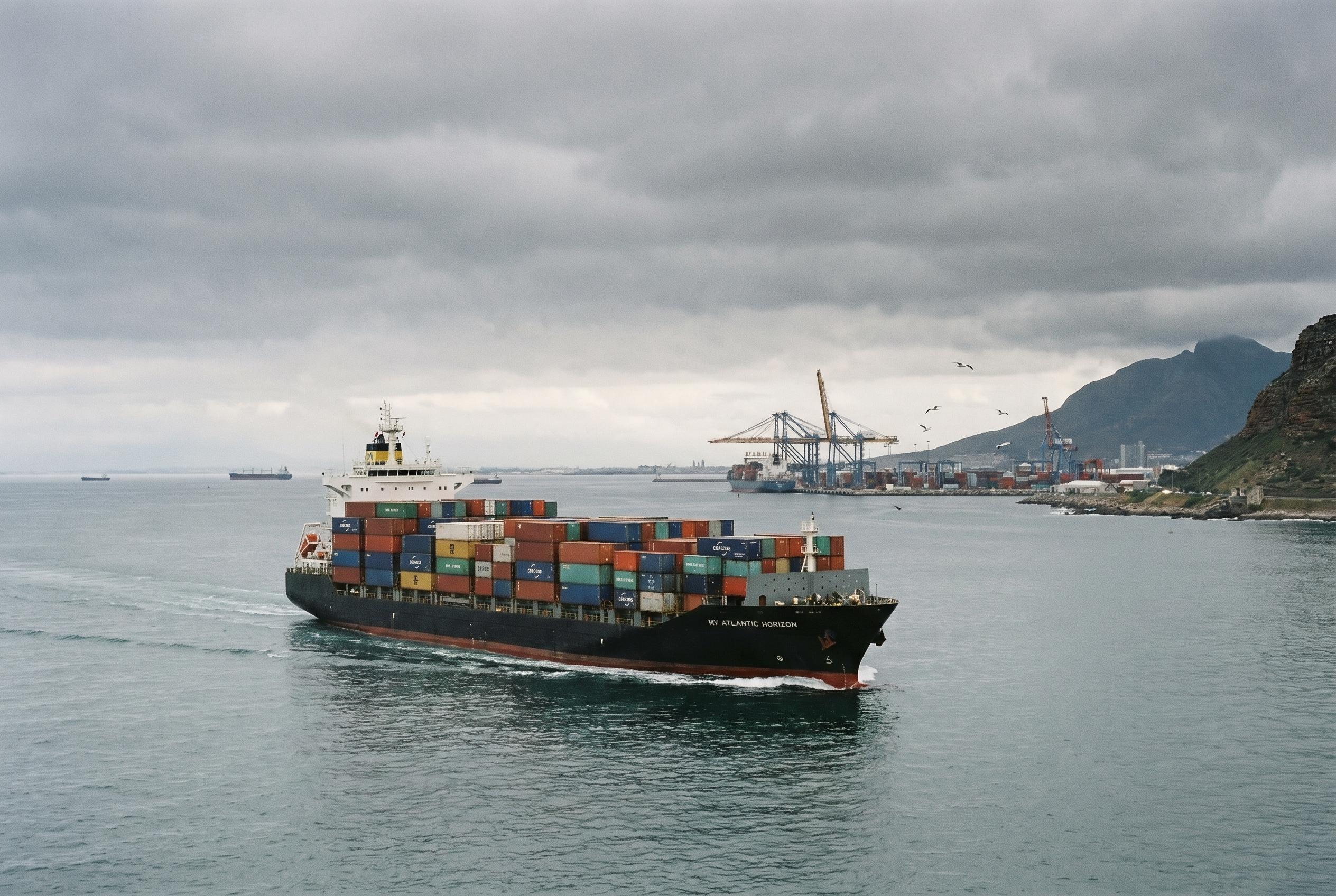
Continued instability in the Red Sea is prompting shipping firms to reroute vessels around the Cape of Good Hope, adding weeks to journeys and heightening inflationary pressures, even as Western regulators advance crypto laws, signalling a shift in financial infrastructure amidst ongoing logistical chaos.
Global trade is still being squeezed by the Red Sea crisis, with shipping lines continuing to avoid the most dangerous waters and sending more vessels around the Cape of Good Hope. Industry sources say the detours are adding around 10 to 14 days to Asia-Europe journeys, pushing up fuel use, insurance and charter costs even as some emergency surcharges have begun to settle. The World Shipping Council has said the Red Sea remains a vital corridor for world commerce, carrying a significant share of international maritime trade and container traffic, which is why disruption there continues to reverberate far beyond the region itself.
The result is a freight market that has adapted to higher costs but not to normality. According to reporting from the shipping sector, freight rates remain above pre-crisis levels and supply chains are still dealing with longer lead times, weaker schedule reliability and tighter vessel capacity. That is forcing manufacturers and retailers to hold more inventory, while import-heavy economies face extra inflation pressure from more expensive transport and delayed deliveries.
Energy markets are also part of the same stress pattern. As shipping routes remain unstable, oil and other commodities are more exposed to security risks and sudden price swings, reinforcing the link between maritime disruption and broader financial volatility. The wider significance is not just operational: prolonged trade friction can filter into consumer prices, growth forecasts and central bank policy, especially if companies continue passing higher logistics costs through to customers.
At the same time, major economies are moving in a different direction on financial infrastructure, with the United States and the United Kingdom both advancing crypto and tokenisation rules. Skadden reported that the UK government is working towards finalising cryptoasset rules this year, with implementation targeted for the end of 2027, while US lawmakers continue to push a broader market structure framework. Together, those steps suggest digital assets are edging further into regulated finance rather than remaining on the margins, even as the physical trade system that underpins the global economy remains under strain.
Source Reference Map
Inspired by headline at: [1]
Sources by paragraph:
Source: Noah Wire Services
Noah Fact Check Pro
The draft above was created using the information available at the time the story first
emerged. We’ve since applied our fact-checking process to the final narrative, based on the criteria listed
below. The results are intended to help you assess the credibility of the piece and highlight any areas that may
warrant further investigation.
Freshness check
Score:
3
Notes:
The article references events up to April 30, 2026, but similar reports on Red Sea shipping disruptions and UK crypto regulations have been published earlier in February and March 2026. ([ports.marinelink.com](https://ports.marinelink.com/ports/port/tacoma/news/red-sea-rerouting-impacts-global-shipping-q1-2026?utm_source=openai)) The content appears to be a compilation of existing news, lacking new information. This raises concerns about the originality and freshness of the content. Additionally, the article is hosted on a site known for aggregating content without original reporting, which further questions its freshness and originality.
Quotes check
Score:
2
Notes:
The article includes direct quotes attributed to industry sources and reports. However, these quotes are not independently verifiable through the provided sources. The lack of verifiable sources for these quotes significantly undermines their credibility. Without access to the original sources or direct verification, the authenticity of these quotes cannot be confirmed.
Source reliability
Score:
2
Notes:
The primary source, Dinar Chronicles, is a platform known for aggregating content from various sources without original reporting. This raises concerns about the reliability and independence of the information presented. The lack of original reporting and the site's reputation for content aggregation diminish the overall reliability of the source.
Plausibility check
Score:
4
Notes:
The article discusses ongoing Red Sea shipping disruptions and UK crypto regulations, topics that have been reported on in other reputable sources. However, the lack of new information or unique insights in this article makes it less plausible as an original news piece. The absence of specific details or updates not found in earlier reports further questions the article's originality and newsworthiness.
Overall assessment
Verdict (FAIL, OPEN, PASS): FAIL
Confidence (LOW, MEDIUM, HIGH): HIGH
Summary:
The article fails to meet verification standards due to its reliance on unverified quotes, a primary source known for content aggregation, and a lack of original reporting. The content is largely recycled from earlier reports without new information or insights, raising significant concerns about its freshness, originality, and source independence. Given these issues, the article cannot be considered reliable for publication.