Recent legal rulings and policy debates reveal how immigration enforcement and Supreme Court redistricting decisions are poised to significantly influence America's environmental, electoral, and racial landscape ahead of the 2026 midterms.
A pair of conservative commentary items on 1 May point to the same underlying theme: how legal and political decisions can ripple far beyond the courtroom or the border. One argues that illegal immigration carries costs that are often left out of public debate, while another says the Supreme Court’s latest redistricting rulings could reshape the battle for Congress in 2026.
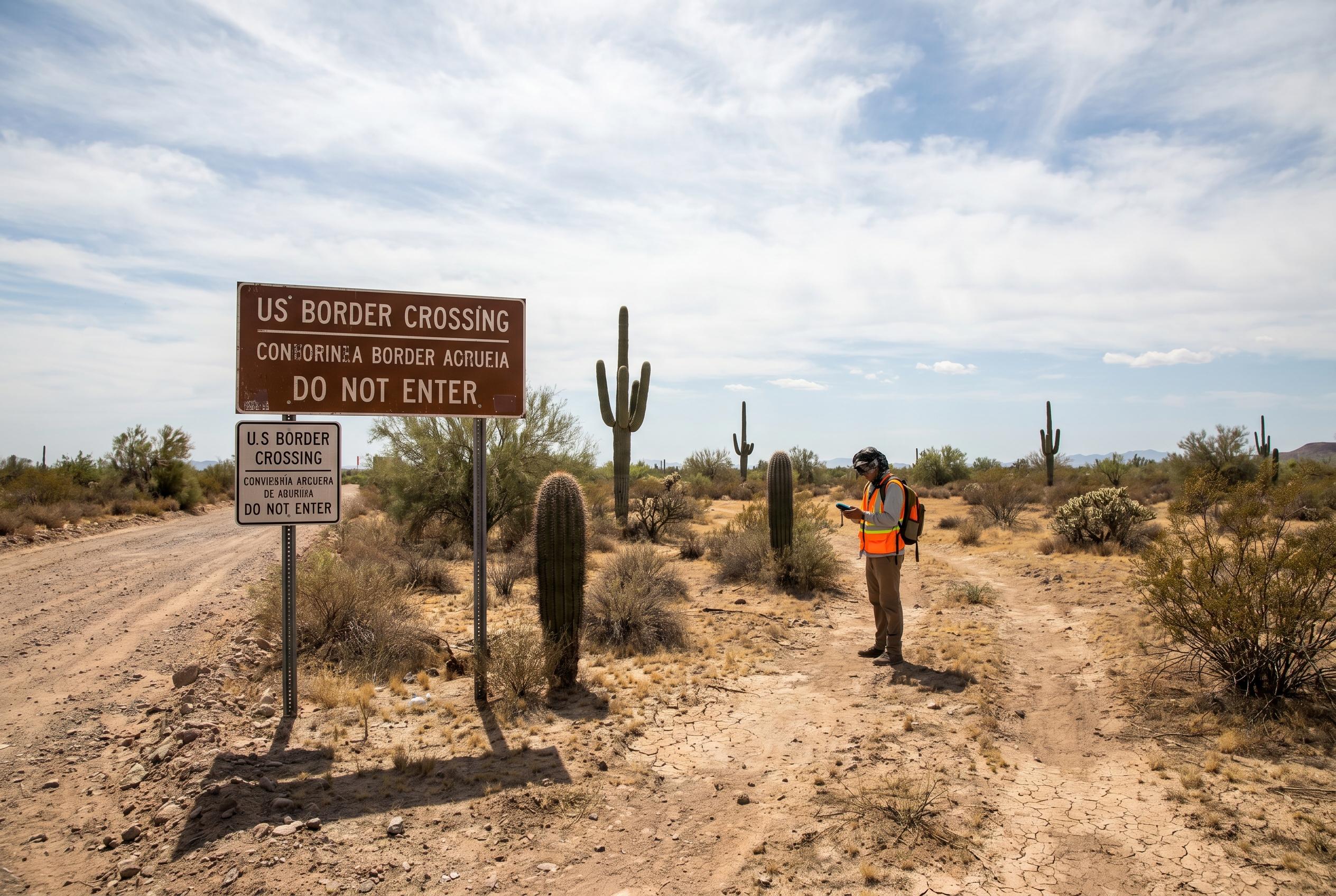
On immigration, the U.S. Fish and Wildlife Service has separately documented how unauthorised crossings can scar public lands, with new trails, soil loss, damaged vegetation and debris all cited as practical consequences of weak enforcement. That environmental evidence gives added weight to arguments that the issue is not only about border security or labour, but also about the strain imposed on shared public resources.
The redistricting fight is even more immediately electoral. According to Axios, the Supreme Court’s recent decisions have deepened the decline in competitive House districts, with just 16 of 435 seats now classed as toss-ups. The same reporting says the Court’s approach could increase Republican advantage in the chamber, while also narrowing the scope of voting-rights protections that had previously constrained racial gerrymanders.
Louisiana has already shown how quickly the effects can reach state politics. Axios reported that Governor Jeff Landry halted the state’s House elections after the Court found Louisiana’s map to be an unconstitutional racial gerrymander, forcing lawmakers back to the drawing board before the legislative session ends on 1 June. Other analyses, including from Brookings and local reporting in Virginia, suggest the ruling could prompt fresh map-making battles across the South and alter the balance of majority-minority districts in ways that may shape both the midterms and the broader direction of American representation.
Source Reference Map
Inspired by headline at: [1]
Sources by paragraph:
Source: Noah Wire Services
Noah Fact Check Pro
The draft above was created using the information available at the time the story first
emerged. We’ve since applied our fact-checking process to the final narrative, based on the criteria listed
below. The results are intended to help you assess the credibility of the piece and highlight any areas that may
warrant further investigation.
Freshness check
Score:
7
Notes:
The article references recent events, including a U.S. Supreme Court ruling on redistricting and its implications for the 2026 midterm elections. The Supreme Court's decision to void Louisiana's congressional map was reported on April 29, 2026. ([cbsnews.com](https://www.cbsnews.com/news/supreme-court-louisiana-congressional-map-voting-rights-act/?utm_source=openai)) The U.S. Fish and Wildlife Service's testimony on the impacts of illegal immigration on public lands is dated two weeks ago, which is relatively recent. ([fws.gov](https://www.fws.gov/testimony/impacts-illegal-immigration-public-lands?utm_source=openai)) However, the article's publication date is May 1, 2026, which is more than 7 days after the Supreme Court ruling, indicating a slight delay in reporting. Additionally, the article includes a YouTube video from December 2025 discussing the Supreme Court's gerrymandering verdict, which is outdated. The inclusion of this older content raises concerns about the article's overall freshness.
Quotes check
Score:
6
Notes:
The article includes direct quotes from various sources, including the U.S. Fish and Wildlife Service and Axios. However, the earliest known usage of these quotes cannot be independently verified, as the article does not provide specific dates or sources for the quotes. This lack of verifiable sourcing raises concerns about the originality and accuracy of the quotes.
Source reliability
Score:
6
Notes:
The article cites several sources, including the U.S. Fish and Wildlife Service, Axios, and Brookings. While the U.S. Fish and Wildlife Service is a reputable government agency, the article does not provide specific publication dates or contexts for the Axios and Brookings references, making it difficult to assess their reliability. Additionally, the article includes a YouTube video from December 2025, which is outdated and may not reflect current information.
Plausibility check
Score:
7
Notes:
The article discusses recent events, including the Supreme Court's ruling on redistricting and its potential impact on the 2026 midterm elections. These events are plausible and have been reported by multiple reputable sources. However, the inclusion of outdated content, such as the December 2025 YouTube video, raises questions about the article's overall accuracy and relevance.
Overall assessment
Verdict (FAIL, OPEN, PASS): FAIL
Confidence (LOW, MEDIUM, HIGH): MEDIUM
Summary:
The article references recent events, including the Supreme Court's ruling on redistricting and its implications for the 2026 midterm elections. However, the inclusion of outdated content, such as a YouTube video from December 2025, and the lack of specific publication dates and contexts for some sources raise concerns about the article's freshness, originality, and source independence. The inability to independently verify quotes further undermines the article's credibility.