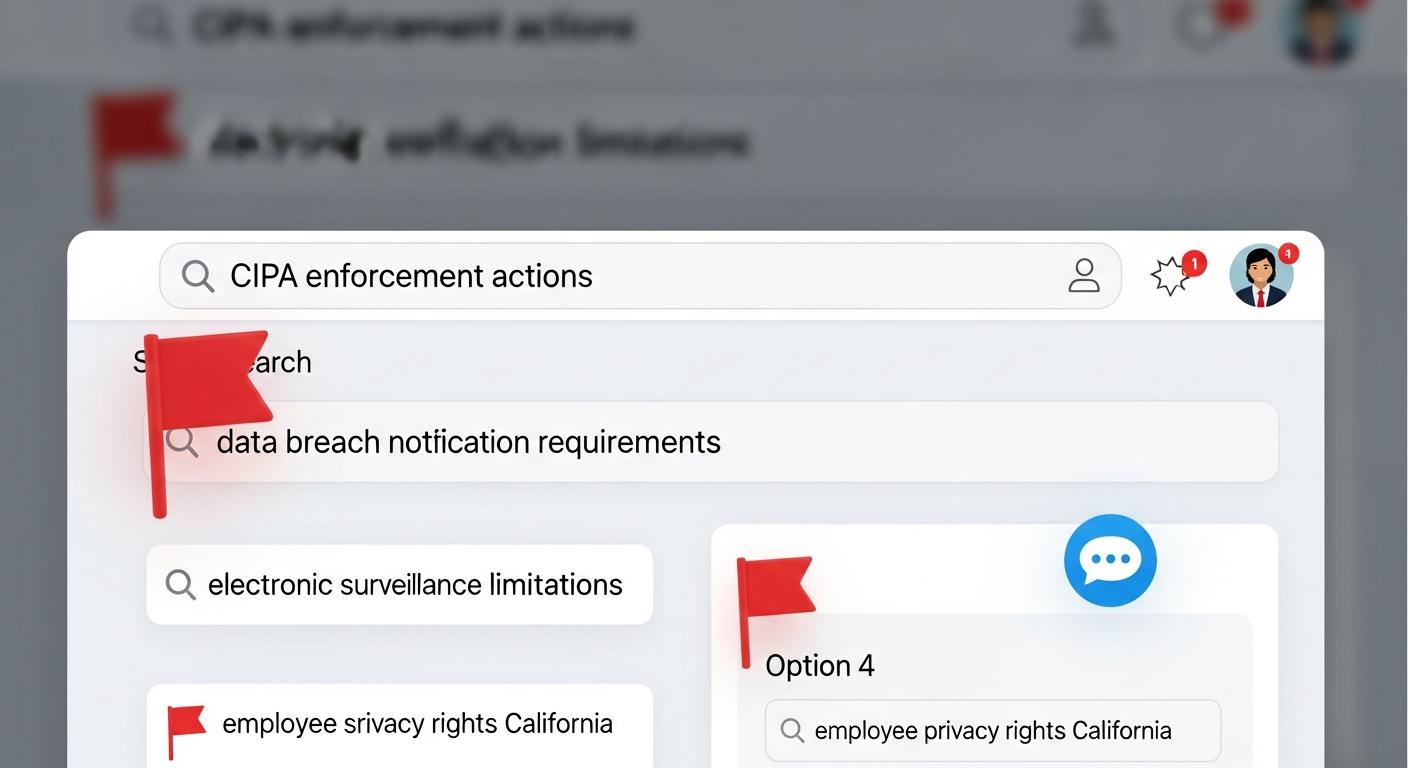
Plaintiffs’ lawyers have repurposed California’s Invasion of Privacy Act into a tool for litigating modern website practices, pressing claims that commonplace web technologies capture “confidential communications” and therefore-trigger statutory liability. According to a year‑in‑review of web tracking litigation, 2024 saw a notable uptick in lawsuits accusing organisations of using pixels, cookies and other third‑party trackers to intercept user interactions on patient‑facing sites. Industry trade commentary also documents mounting concern among in‑house counsel about how these cases are being pleaded and argued. (Sources: Mondaq, Association of Corporate Counsel)
The complaints typically reframe routine online behaviours, searches in on‑site search boxes, entries into chat widgets, and pages instrumented with analytics, as communications entitled to CIPA’s protections. Legal observers say plaintiffs focus not only on textual content but on metadata flows such as IP addresses, device identifiers and query strings, alleging that those data streams operate like “pen registers” or “trap‑and‑trace” devices. Recent analysis of case trends highlights session‑replay tools and tracking pixels as frequent targets. (Sources: California Lawyers Association, Data Privacy and Security Insider)
Emerging theories have concentrated on two features of modern engagement tooling: free‑text inputs and conversational agents. Commentators report a wave of suits alleging that search bars reveal sensitive test queries and that AI chat systems ingest and redistribute user inputs without adequate consent. Practitioners warn that capture of free text or the default behaviour of third‑party chat services can transform otherwise innocuous site elements into high‑exposure vectors. (Sources: California Lawyers Association, Data Privacy and Security Insider)
The judicial response remains fragmented. Some federal and state decisions have pushed back against the view that ordinary analytics equal unlawful pen registers, while other rulings have permitted such claims to proceed beyond pleading stages, creating a patchwork of precedents. Legal briefs and firm alerts point to a recent federal decision that reinvigorated class filings and to other cases that have dismissed similar theories, underscoring how outcome depends heavily on jurisdictional posture and the precise factual record. (Sources: Association of Corporate Counsel, Baker Donelson)
Compliance advisersurge organisations, especially diagnostic laboratories and other entities handling health‑adjacent traffic, to treat web data flows as a compliance matter rather than solely an IT or marketing issue. Practical steps advocated by privacy practitioners include conducting a complete inventory of tags and vendors on patient‑facing pages; disabling or minimising capture of free‑text inputs and search terms; configuring chat tools to prevent retention or sharing of sensitive content; and deploying genuine pre‑consent controls that block third‑party technologies from loading. Client alerts emphasise aligning privacy disclosures with actual tag behaviour and documenting controls via periodic technical testing. (Sources: Hutchison PLLC, Mondaq)
Because many lawsuits rely on the availability of statutory damages and the ability to plead multiple discrete violations, advisers recommend defensive posture changes now rather than waiting for legislative clarity. Recent practitioner guidance also notes the potential for continued plaintiff investment in pen‑register theories and urges companies to update privacy policies, implement opt‑in mechanisms where appropriate and keep an audit trail demonstrating how consent and blocking controls operate in practice. These measures, advisers say, are the most immediate way to reduce litigation risk while courts and lawmakers sort through the issues. (Sources: Hutchison PLLC, Data Privacy and Security Insider)
Source Reference Map
Inspired by headline at: [1]
Sources by paragraph:
- Paragraph 1: [2], [5]
- Paragraph 2: [3], [6]
- Paragraph 3: [3], [6]
- Paragraph 4: [5], [7]
- Paragraph 5: [4], [2]
- Paragraph 6: [4], [6]
Source: Noah Wire Services