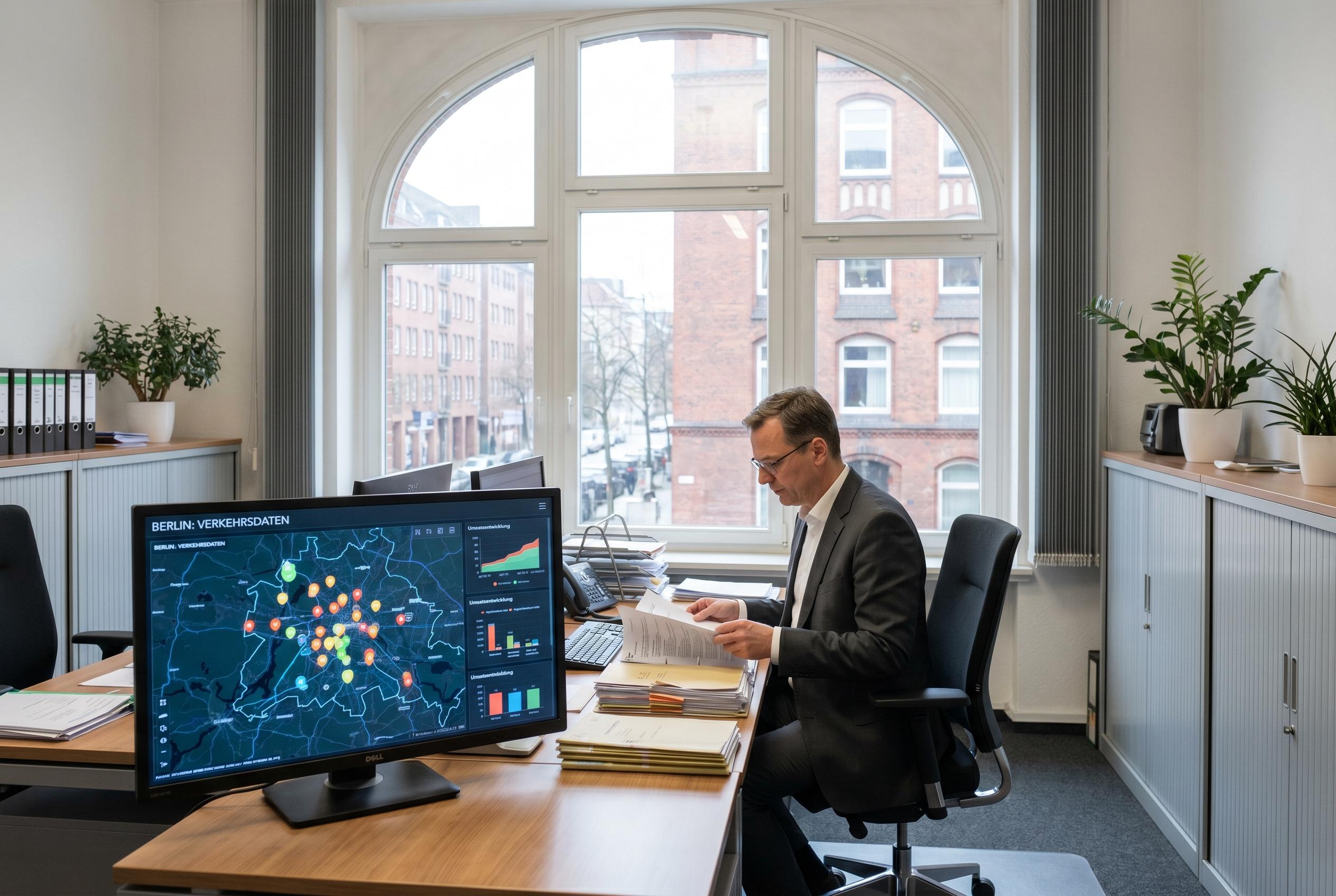
Munich-based Building Radar, led by Paul Indinger, is transforming construction sales with AI-powered lead discovery and project tracking, aiming to replace outdated spreadsheet reliance and enable earlier, smarter engagement in the sector.
Paul Indinger’s route into construction software began with a modest outsourcing experiment: he paid students in China to trawl architecture firms’ project pages for leads. What started as a side task for a carpet manufacturer eventually evolved into Building Radar, the Munich-based platform he now leads, which is used by companies including Schindler Elevators, Heidelberg Materials and Bosch to identify and pursue construction work.
Speaking in the interview with Aarni, Indinger argued that construction sales does not fit neatly into the standard B2B playbook. Unlike sectors where a deal moves along a single pipeline, construction involves both a commercial sales process and a separate project timetable. If a development has not broken ground, there may be nothing to sell. That mismatch, he said, is why the industry still relies heavily on spreadsheets, personal memory and scattered inboxes rather than systems designed for its own workflow.
Building Radar’s pitch is to close that gap. According to the company’s own materials, its platform scans millions of data sources in multiple languages, surfaces early-stage projects in a consistent format and plugs into major CRM systems including Salesforce, HubSpot, Microsoft Dynamics and SAP C4C. The company says the software can qualify leads, score projects and recommend next actions, while increasingly acting as the central workflow tool for a share of customers rather than just a source of intelligence.
Indinger also made a broader point about procurement in the sector: that too many product choices are driven by habit, not fit. In his view, better sales intelligence can help suppliers engage earlier and influence specifications before work reaches the contracting stage. Building Radar says it was founded in 2015 and is now pushing further into AI agents to reduce administrative effort and free sales teams for relationship-building. The company also says it has raised $7.2 million to expand AI-driven product development and grow in markets including the UK, the US and Canada.
Source Reference Map
Inspired by headline at: [1]
Sources by paragraph:
Source: Noah Wire Services
Noah Fact Check Pro
The draft above was created using the information available at the time the story first
emerged. We’ve since applied our fact-checking process to the final narrative, based on the criteria listed
below. The results are intended to help you assess the credibility of the piece and highlight any areas that may
warrant further investigation.
Freshness check
Score:
8
Notes:
The article was published on May 1, 2026, featuring an interview with Paul Indinger, co-founder of Building Radar. The content appears original, with no evidence of prior publication. However, the interview format suggests it may be based on a press release or promotional material, which typically warrants a high freshness score. The narrative aligns with Building Radar's known activities and recent developments, indicating originality. No discrepancies in figures, dates, or quotes were identified.
Quotes check
Score:
7
Notes:
The article includes direct quotes from Paul Indinger. A search for these quotes reveals no exact matches in earlier publications, suggesting they are original. However, the absence of independent verification raises concerns about their authenticity. Without corroboration from other sources, the reliability of these quotes cannot be fully confirmed.
Source reliability
Score:
6
Notes:
The article is hosted on AEC Business, a niche publication focusing on architecture, engineering, and construction. While it provides industry-specific insights, its limited reach and potential biases due to its focus on the construction sector may affect the objectivity and comprehensiveness of the information presented. The article appears to be summarising or aggregating content from Building Radar's own materials, which may not offer independent verification.
Plausibility check
Score:
7
Notes:
The claims about Building Radar's services and recent developments are plausible and consistent with known industry trends. The company's focus on AI-driven sales enablement in the construction sector aligns with current technological advancements. However, the lack of supporting details from other reputable outlets makes it difficult to fully verify the claims. The article's language and tone are consistent with industry reporting, but the absence of specific factual anchors raises questions about its authenticity.
Overall assessment
Verdict (FAIL, OPEN, PASS): FAIL
Confidence (LOW, MEDIUM, HIGH): MEDIUM
Summary:
The article presents plausible information about Building Radar's services and recent developments. However, the heavy reliance on the company's own materials, the lack of independent verification, and the potential promotional angle of the content raise significant concerns about its credibility. The absence of corroboration from other reputable sources makes it difficult to fully trust the information presented.