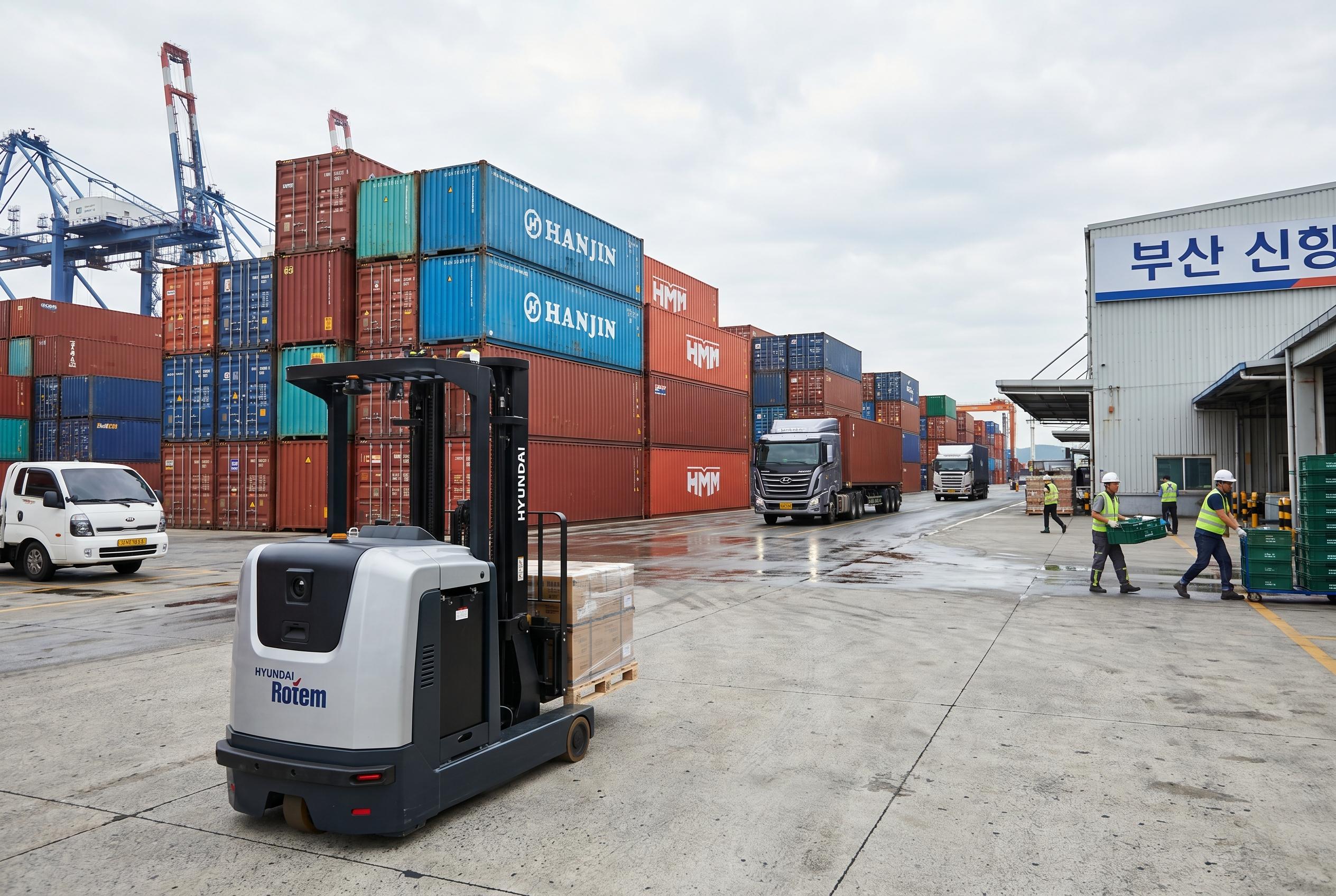
In a volatile trading environment, companies are accelerating supply chain resilience through AI-driven visibility and dynamic decision-making, transforming operational agility in response to rapid disruptions.
Supply chain resilience is no longer just a matter of keeping a spare supplier on file. In a volatile trading environment, it increasingly depends on how quickly a company can spot risk, shift sourcing and turn a new commercial relationship into something that actually works operationally. John Radko, senior vice-president of engineering at OpenText, argues that the real test is not whether a business has contingency plans, but whether it can activate them fast enough to matter.
That speed has become more important because the conditions shaping logistics can change in the space of a single shipment. Commodity prices move, trade rules shift and assumptions about suppliers can become outdated before goods even reach port. As Radko notes, slow qualification and integration processes can leave the best alternative stranded on paper. The result is that resilience now looks as much like network management as it does emergency planning.
The broader industry conversation is moving in the same direction. Deloitte says modern supply chains are too complex to manage through manual oversight alone, and that organisations need stronger collaboration and more agile decision-making to cope with disruption. KPMG has similarly argued that companies should move beyond efficiency alone and build operating models designed for responsiveness, resilience and value creation in real time.
Artificial intelligence is becoming central to that shift. According to Forbes and TechRadar, the next wave of supply chain tools is increasingly centred on agentic AI, which can sift through large volumes of data, identify patterns and recommend or even trigger responses with human oversight. The appeal is not that AI replaces experienced operators, but that it can compress the time needed to interpret fragmented information and turn it into action.
That matters because supply chains now generate far more data than people can realistically monitor at speed. Radko says the first step is better visibility: knowing where a network is overexposed, where partners are slowing down and where compliance or onboarding bottlenecks are emerging. SupplyChainConnect has also reported that AI is being used more widely for forecasting, risk management and dynamic rerouting, while predictive tools and digital twins are helping companies model disruption before it lands.
The strategic implication is clear. Resilience is shifting from a defensive mindset to an operational one, where partner ecosystems must be flexible enough to reconfigure quickly and intelligently. AI can help surface anomalies and organise context, but human judgement remains essential, especially as systems become more autonomous. The companies most likely to outperform are those that treat volatility as permanent and build the speed, coordination and decision-making discipline needed to act on it.
Source Reference Map
Inspired by headline at: [1]
Sources by paragraph:
Source: Noah Wire Services
Noah Fact Check Pro
The draft above was created using the information available at the time the story first
emerged. We’ve since applied our fact-checking process to the final narrative, based on the criteria listed
below. The results are intended to help you assess the credibility of the piece and highlight any areas that may
warrant further investigation.
Freshness check
Score:
6
Notes:
The article references a Forbes piece from October 2025 and a TechRadar article from October 2025, indicating recent sources. However, the earliest known publication date for the OpenText blog is October 12, 2020, which is over five years old. This suggests that the content may have been recycled or republished, potentially affecting its freshness. Additionally, the article includes a source from SupplyChainConnect, but no specific publication date is provided, making it difficult to assess its recency. The lack of clear publication dates for some sources raises concerns about the overall freshness of the content. Given these factors, the freshness score is reduced to 6.
Quotes check
Score:
5
Notes:
The article includes direct quotes from John Radko, Senior Vice-President of Engineering at OpenText. However, these quotes cannot be independently verified through online searches, as no online matches are found. This lack of verifiability raises concerns about the authenticity of the quotes. Without independent verification, the quotes cannot be fully trusted, leading to a reduced score of 5.
Source reliability
Score:
7
Notes:
The article originates from OpenText, a major company in the field of supply chain management. While OpenText is a reputable source within its niche, it is important to note that the company has a vested interest in promoting its own products and services. This potential bias should be considered when evaluating the reliability of the information presented. Additionally, the article references external sources such as Forbes, TechRadar, and SupplyChainConnect, but the lack of clear publication dates for some of these sources makes it difficult to assess their reliability. Given these factors, the source reliability score is set at 7.
Plausibility check
Score:
6
Notes:
The article discusses the importance of speed and agility in supply chain resilience, referencing insights from Deloitte and KPMG. While these claims align with industry trends, they lack supporting details from other reputable outlets. The absence of specific factual anchors, such as names, institutions, or dates, further diminishes the credibility of the claims. The language and tone of the article are consistent with corporate communication, but the lack of concrete evidence and specific details raises questions about the plausibility of the claims. Therefore, the plausibility score is reduced to 6.
Overall assessment
Verdict (FAIL, OPEN, PASS): FAIL
Confidence (LOW, MEDIUM, HIGH): MEDIUM
Summary:
The article presents information on supply chain resilience, referencing various sources. However, concerns about the freshness of the content, the unverifiability of quotes, potential biases in the sources, and the lack of independent verification sources raise significant doubts about its credibility. Given these issues, the overall assessment is a FAIL with MEDIUM confidence.