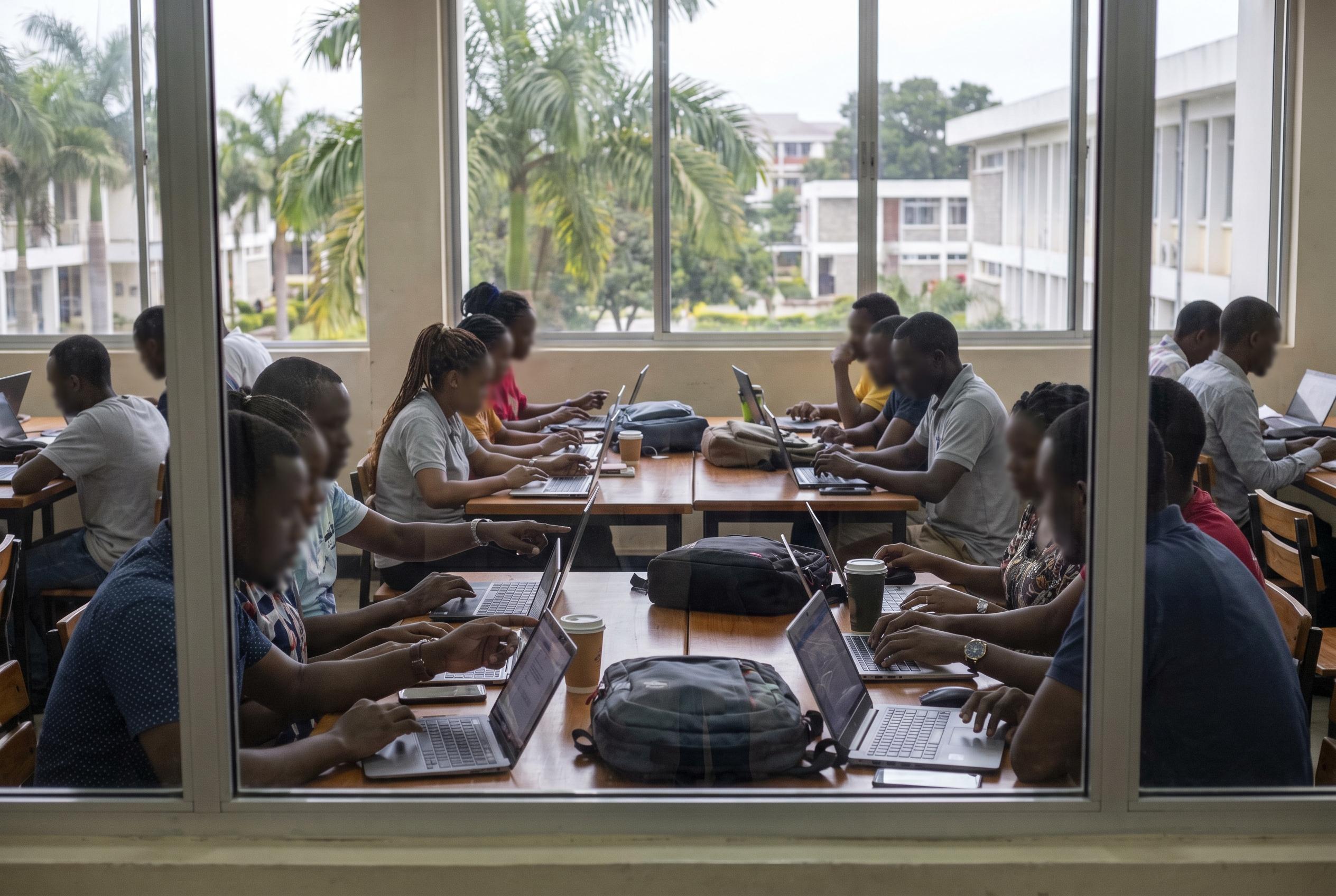
University of Dar es Salaam urges staff to integrate AI into teaching, research, and administration, reflecting a global shift in higher education to prioritise digital competence and responsible AI use amidst rapid technological change.
University lecturers in Tanzania are being pushed to treat artificial intelligence not as a novelty but as a core part of academic life, after senior figures at the University of Dar es Salaam urged staff to weave digital tools into teaching, research and administration. At a staff council meeting in April 2026, Deputy Chairperson Moremi Marwa said AI was becoming central to efficiency, service delivery and decision-making, framing the shift as part of a wider effort to modernise the institution.
The message reflects a broader change across higher education, where universities are reassessing how they teach, examine and validate knowledge in response to fast-moving AI systems. UNESCO has warned that digital competence is now essential rather than optional, and has stepped up work on responsible and ethical AI use in universities through initiatives aimed at strengthening institutional capacity, academic integrity and skills development.
For lecturers, the challenge is not simply learning new software but adapting to a changing role. AI can speed up content creation, data analysis and personalised learning, yet it cannot replace the human tasks of judgement, context and critical thinking. Education experts, including Prof Wayne Holmes and Prof Rose Luckin, have argued that teachers must help students use AI carefully and independently, rather than allowing the technology to become a substitute for understanding.
At UDSM, the digital push is tied to the university’s longer-term strategy, including its Vision 2061 and 2024-2033 plan. The stakes are high: institutions that fail to adapt risk falling behind in research output, rankings and graduate employability, while those that move early may be better placed to attract partnerships, funding and talent. UNESCO has also noted in recent digital education work that while many national plans now mention digitalisation or AI, progress remains uneven across regions, underscoring the scale of the transition facing universities.
Source Reference Map
Inspired by headline at: [1]
Sources by paragraph:
Source: Noah Wire Services
Noah Fact Check Pro
The draft above was created using the information available at the time the story first
emerged. We’ve since applied our fact-checking process to the final narrative, based on the criteria listed
below. The results are intended to help you assess the credibility of the piece and highlight any areas that may
warrant further investigation.
Freshness check
Score:
8
Notes:
The article was published on 27 April 2026, reporting on a University of Dar es Salaam (UDSM) Workers’ Council meeting held in April 2026. The earliest known publication date of similar content is 25 April 2026, with the UDSM's own announcement of the meeting. ([udsm.ac.tz](https://udsm.ac.tz/news/ai-no-longer-optional-cpa-moremi-rallies-udsm-workforce-behind-digital-transformation-agenda?utm_source=openai)) The narrative appears original, with no evidence of prior publication or significant recycling. However, the article's freshness is slightly diminished due to the proximity of the publication date to the meeting.
Quotes check
Score:
7
Notes:
The article includes direct quotes from CPA Moremi Marwa and references to UNESCO's statements. Searches for the earliest known usage of these quotes indicate that they originate from the UDSM's official announcement and UNESCO's publications. ([udsm.ac.tz](https://udsm.ac.tz/news/ai-no-longer-optional-cpa-moremi-rallies-udsm-workforce-behind-digital-transformation-agenda?utm_source=openai)) While the quotes are verifiable, their direct attribution to the article's author is not independently confirmed, raising concerns about the originality of the reporting.
Source reliability
Score:
6
Notes:
The article is published by The Citizen, a Tanzanian news outlet. While it is a known publication, it is not as widely recognised internationally as major news organisations. The UDSM's official announcement is a primary source, but its direct attribution to the article's author is not independently confirmed, raising concerns about the originality of the reporting. ([udsm.ac.tz](https://udsm.ac.tz/news/ai-no-longer-optional-cpa-moremi-rallies-udsm-workforce-behind-digital-transformation-agenda?utm_source=openai))
Plausibility check
Score:
8
Notes:
The article's claims align with known initiatives at UDSM and UNESCO's focus on AI in education. ([udsm.ac.tz](https://udsm.ac.tz/news/ai-no-longer-optional-cpa-moremi-rallies-udsm-workforce-behind-digital-transformation-agenda?utm_source=openai)) However, the article's tone and structure are more dramatic than typical corporate or official language, which may indicate a need for further scrutiny.
Overall assessment
Verdict (FAIL, OPEN, PASS): FAIL
Confidence (LOW, MEDIUM, HIGH): MEDIUM
Summary:
The article presents a timely report on UDSM's emphasis on AI integration, supported by verifiable quotes from CPA Moremi Marwa and references to UNESCO's initiatives. However, concerns arise regarding the originality of the reporting, as the direct attribution of quotes to the article's author is not independently confirmed. Additionally, the article's tone and structure are more dramatic than typical corporate or official language, which may indicate a need for further scrutiny. Given these issues, the content does not meet the necessary standards for publication under our editorial indemnity.